

Clinical and secondary prevention of stroke
Reduce the risk of recurrent stroke with evidence-informed medical follow-up and lifestyle strategies.
On this page
Overview
Clinical and secondary prevention of stroke after stroke is often influenced by both physical changes (strength, coordination, sensation, spasticity, fatigue) and environmental factors (home setup, caregiver support, access to therapy). Recovery is highly individual. Many people continue to improve for months—and sometimes years—when training is specific, meaningful, and progressive.
This guide focuses on practical, evidence-aligned concepts used in stroke rehabilitation: goal-directed practice, repetition, task specificity, and risk management. It also highlights common complications and when to seek urgent medical assessment.
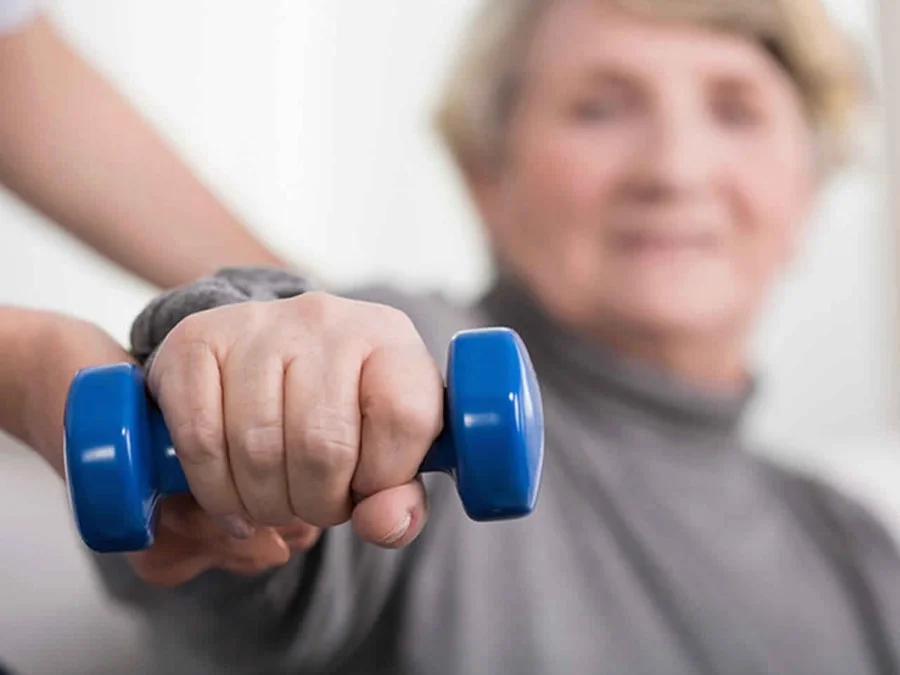
What to expect and why it matters
After a stroke, the brain must reorganise networks to support movement, speech, mood, and daily activities. This is often described as neuroplasticity. Rehabilitation works best when practice is frequent, challenging-but-safe, and connected to real life (for example, cooking, walking, speaking with family, or managing medication).
Key focus areas
- Blood pressure control is one of the most effective ways to reduce recurrent stroke risk.
- Medication adherence (as prescribed) matters; clarify side effects and schedules with your clinician.
- Lifestyle changes work best when small, consistent, and supported by follow-up.
- Know FAST warning signs and seek emergency care immediately if they appear.
Safety, prevention, and medical follow-up
Secondary prevention reduces the risk of another stroke. This often includes blood pressure control, diabetes and cholesterol management, smoking cessation, physical activity, and medication adherence (for example, antiplatelets or anticoagulants when prescribed). Follow your clinician’s plan and attend regular reviews.
Seek urgent medical help if new stroke symptoms occur: facial droop, arm weakness, speech problems, severe sudden headache, new confusion, or sudden vision loss. Time-sensitive treatment can be lifesaving and may reduce disability.
A practical rehabilitation plan
Good plans are personalised and measurable. They include specific exercises, task practice (for example, transfers, stairs, grip tasks), and strategies to reduce fatigue. Many people benefit from coordinated input across physiotherapy, occupational therapy, speech and language therapy, psychology, and medical oversight.
- Set 1–3 meaningful goals for the next month (for example, prepare breakfast safely, walk to the garden, or speak clearly on the phone).
- Practise tasks in small blocks daily; quality and repetition are both important.
- Adapt the environment: handrails, seating height, lighting, and clutter reduction can improve safety.
- Review mood and sleep; depression and anxiety are common and treatable.
- Reassess progress frequently and progress the challenge safely.
Comments
Comments are stored on this device.
No comments yet.