Treatment
Osteopathy
Hands-on techniques aim to restore balance in joints, muscles and posture.
What patients can expect
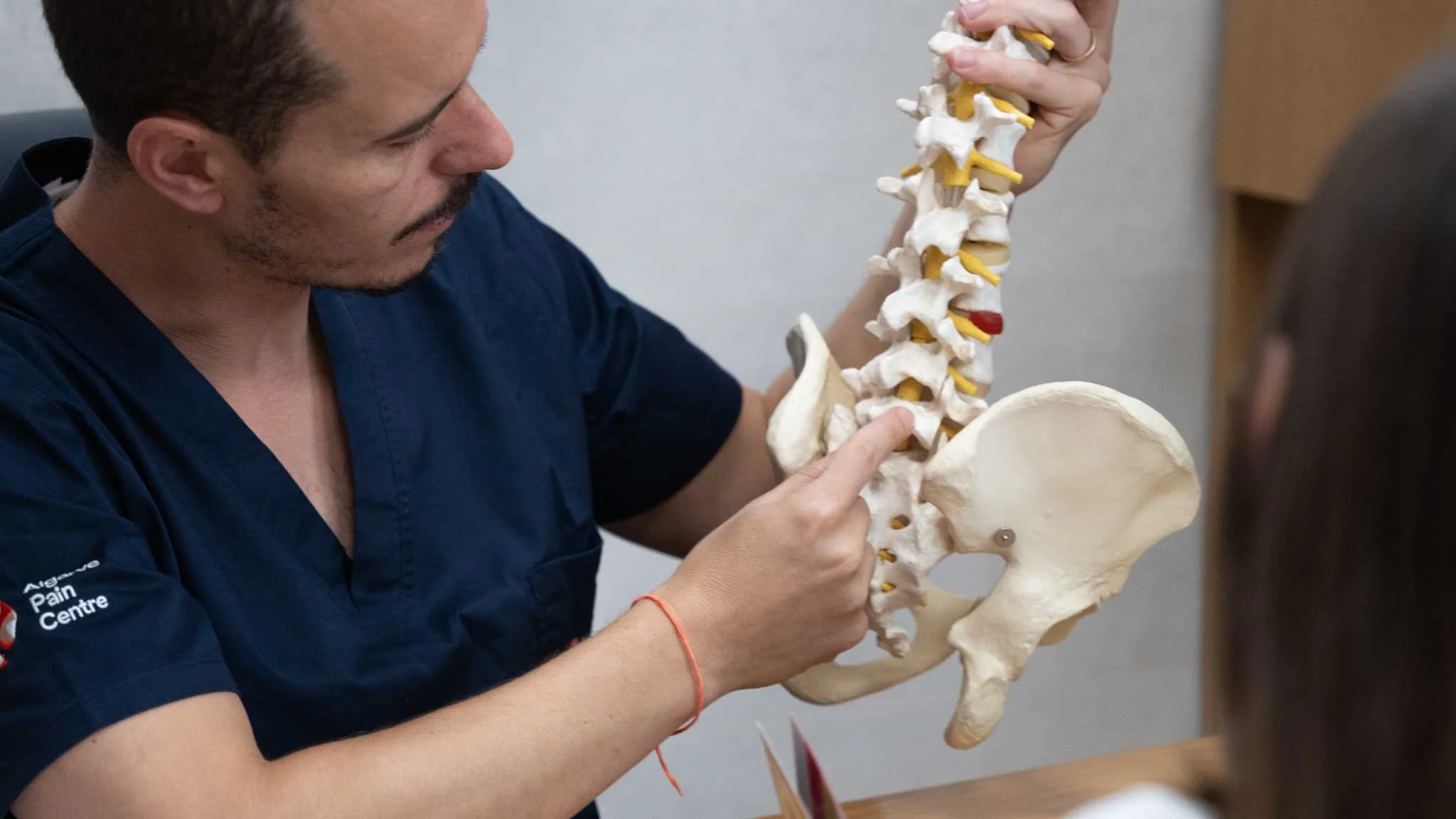
Osteopathy combines hands‑on assessment with movement advice and an active home plan. Sessions aim to reduce pain, improve mobility, and build confidence with daily activities. The best results are typically achieved when treatment supports an exercise programme rather than replacing it.
Your clinician will take a detailed history and perform a physical assessment of movement, strength, and how symptoms behave. Hands‑on techniques may be used when appropriate, alongside education and practical strategies for posture, work demands, and activity pacing.
Understanding
Osteopathy
Osteopathy is a hands-on treatment approach that involves moving, stretching, and massaging muscles and joints to address and prevent musculoskeletal issues. This holistic approach supports overall well-being by promoting the body’s natural ability to heal itself, with targeted techniques tailored to each individual.
Osteopathy is a non-invasive, manual therapy that aims to improve the function of the musculoskeletal system. By focusing on the body’s structure—bones, muscles, ligaments, and connective tissues—osteopathy helps relieve pain, restore movement, and improve health. This approach is particularly effective for those seeking a gentle treatment option that enhances overall physical function.
What this Process Looks Like
What to Expect After Implementation
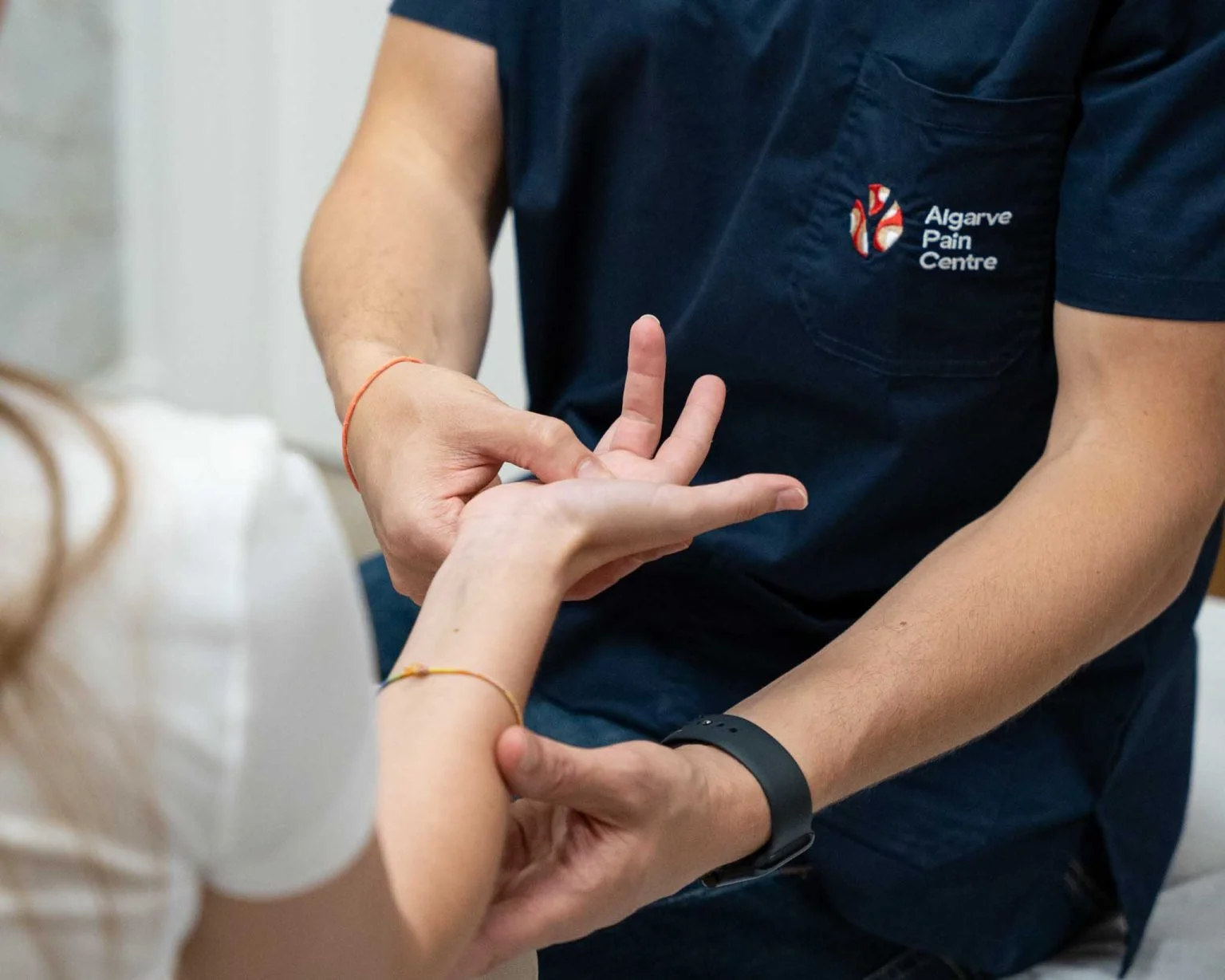
Immediate Relaxation
Many patients experience relief from tension and a feeling of relaxation immediately after the session.
Gradual Pain Relief
While some pain relief may be immediate, it often continues to improve over the following days as the body adjusts to the treatment.
Enhanced Mobility
Patients commonly report improved flexibility and ease of movement after osteopathic sessions, which may further improve with regular sessions.
Benefits of Osteopathy
Non-Invasive Pain Relief
Osteopathy provides pain relief without medication or surgery, making it a suitable option for those seeking natural, hands-on treatment.
Holistic Approach
Osteopathy treats the body as an interconnected system, addressing root causes rather than just symptoms, which supports overall well-being.
Improved Circulation & Healing
Gentle manipulation techniques promote blood flow, which can aid healing and enhance the body’s ability to recover.
Conditions Treated with
Osteopathy
Back & Neck Pain
Osteopathy is highly effective in treating back and neck pain caused by poor posture, muscle tension, or spinal misalignments.
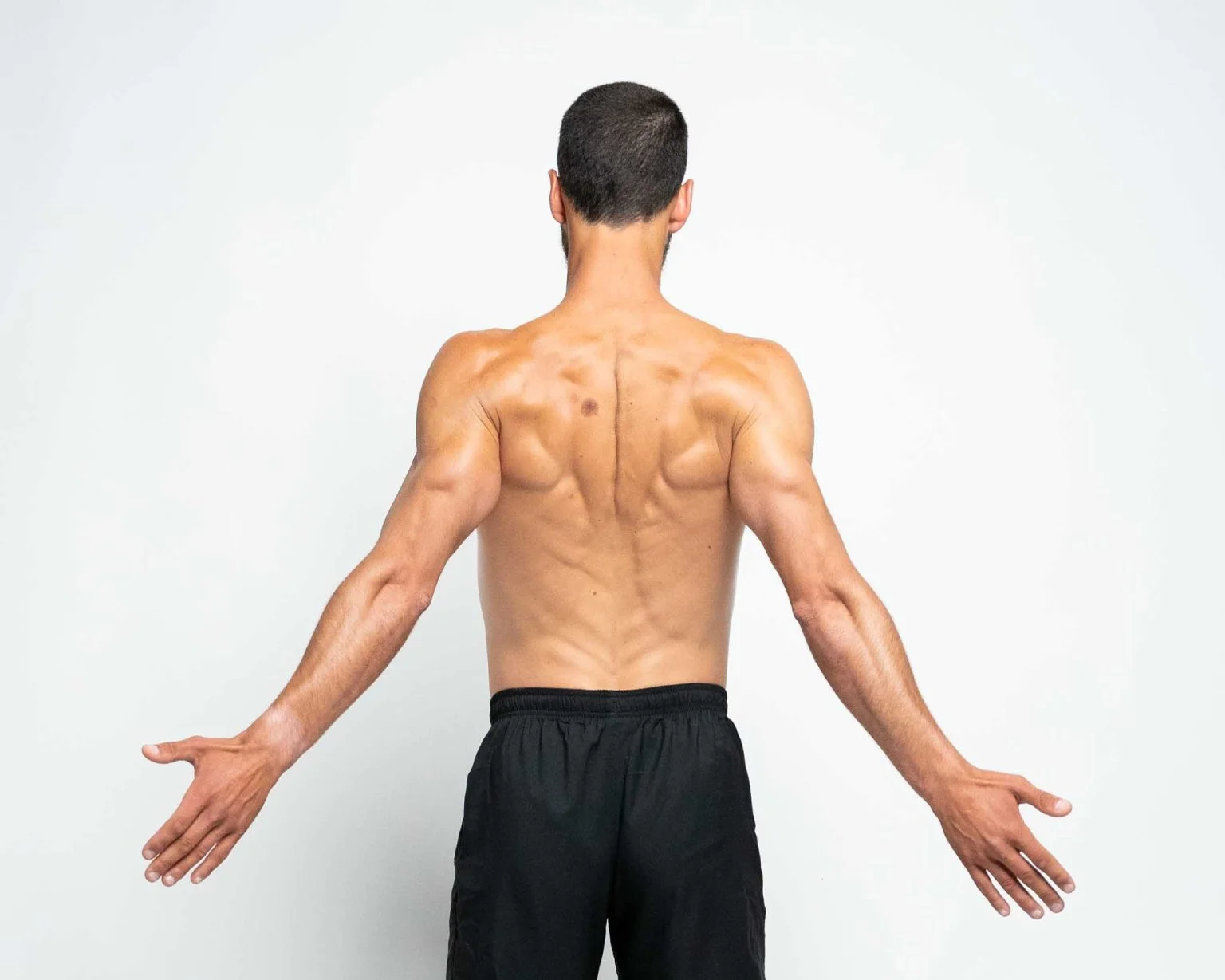
Joint Pain & Arthritis
This therapy can alleviate pain and stiffness associated with arthritis and other joint conditions, helping to maintain mobility.
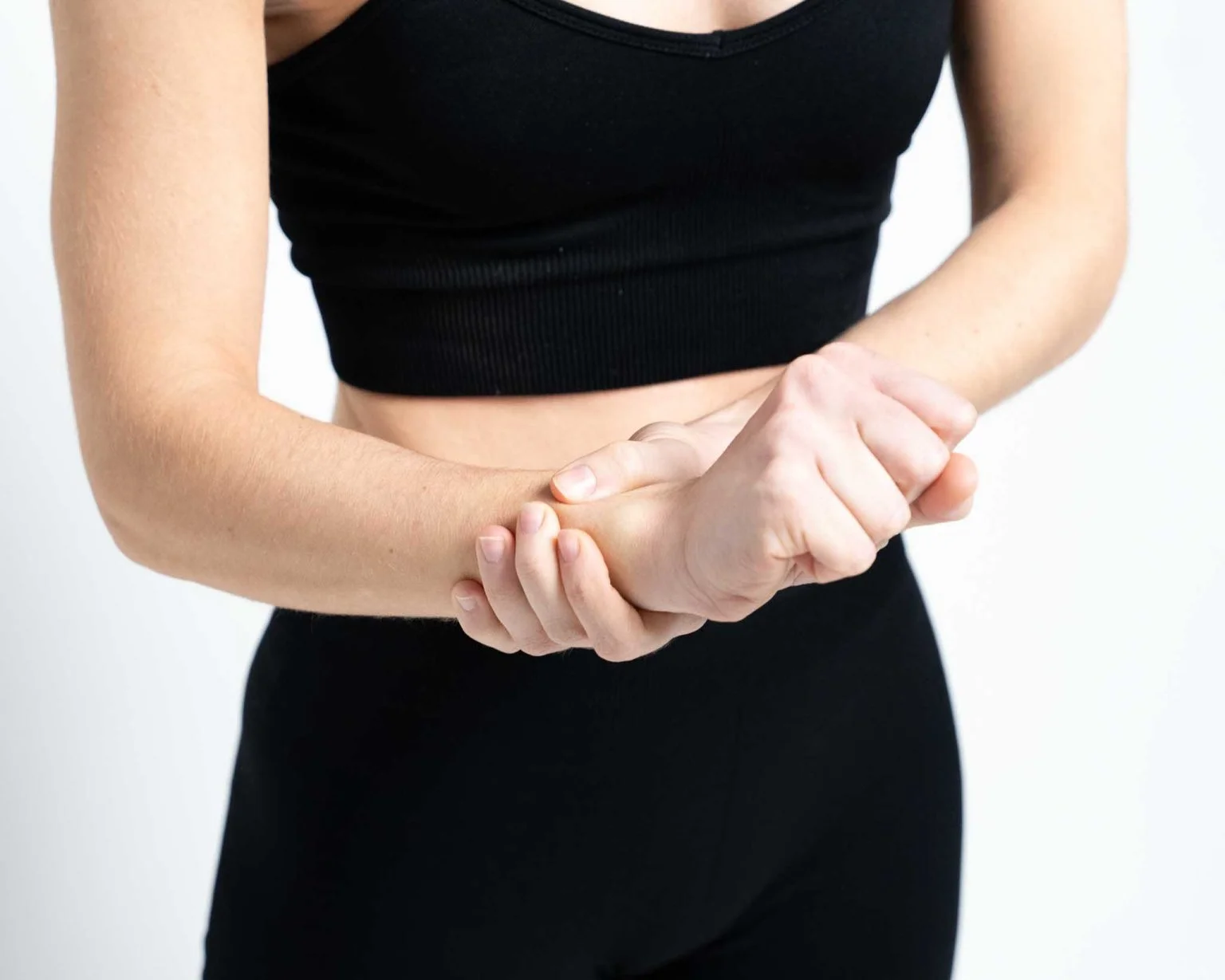
Headaches & Migraines
Tension headaches and certain types of migraines can be managed through osteopathic techniques that relieve stress in the neck and upper back.
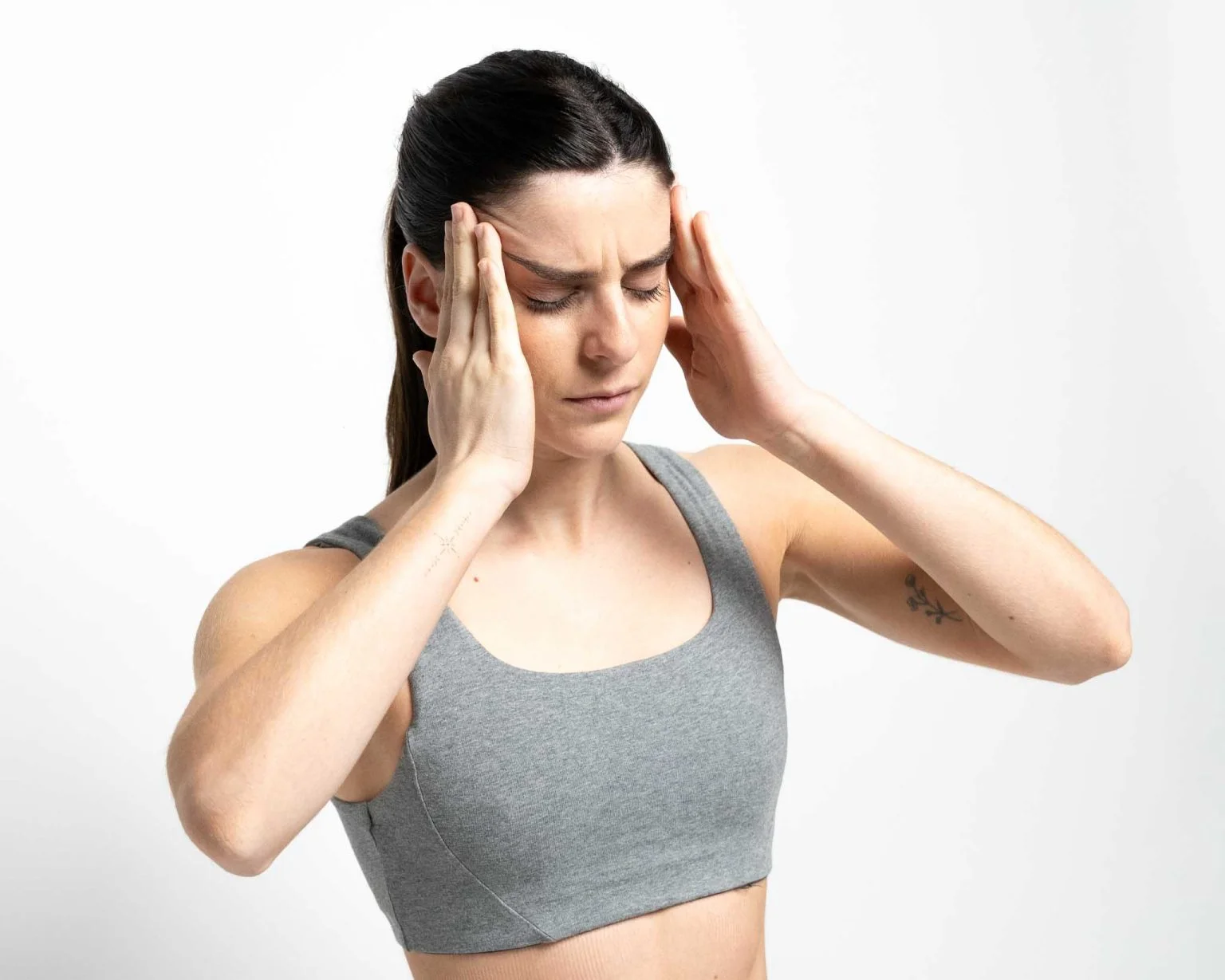
Sports Injuries
Osteopathy is frequently used by athletes to aid in recovery from injuries and to improve performance through better alignment and flexibility.
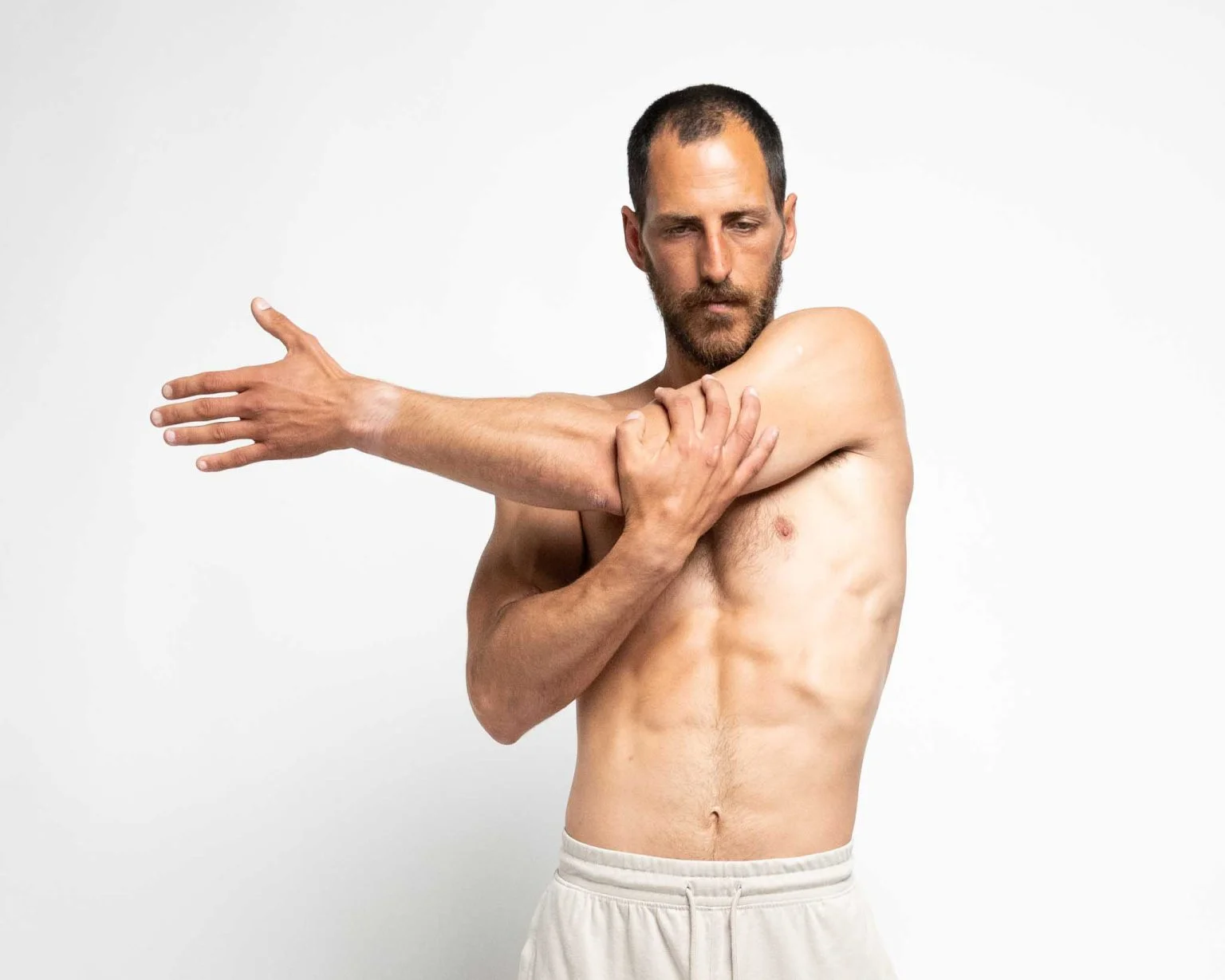
Postural Issues
Conditions arising from poor posture, such as shoulder pain, knee strain, or muscle imbalance, respond well to osteopathic treatment.
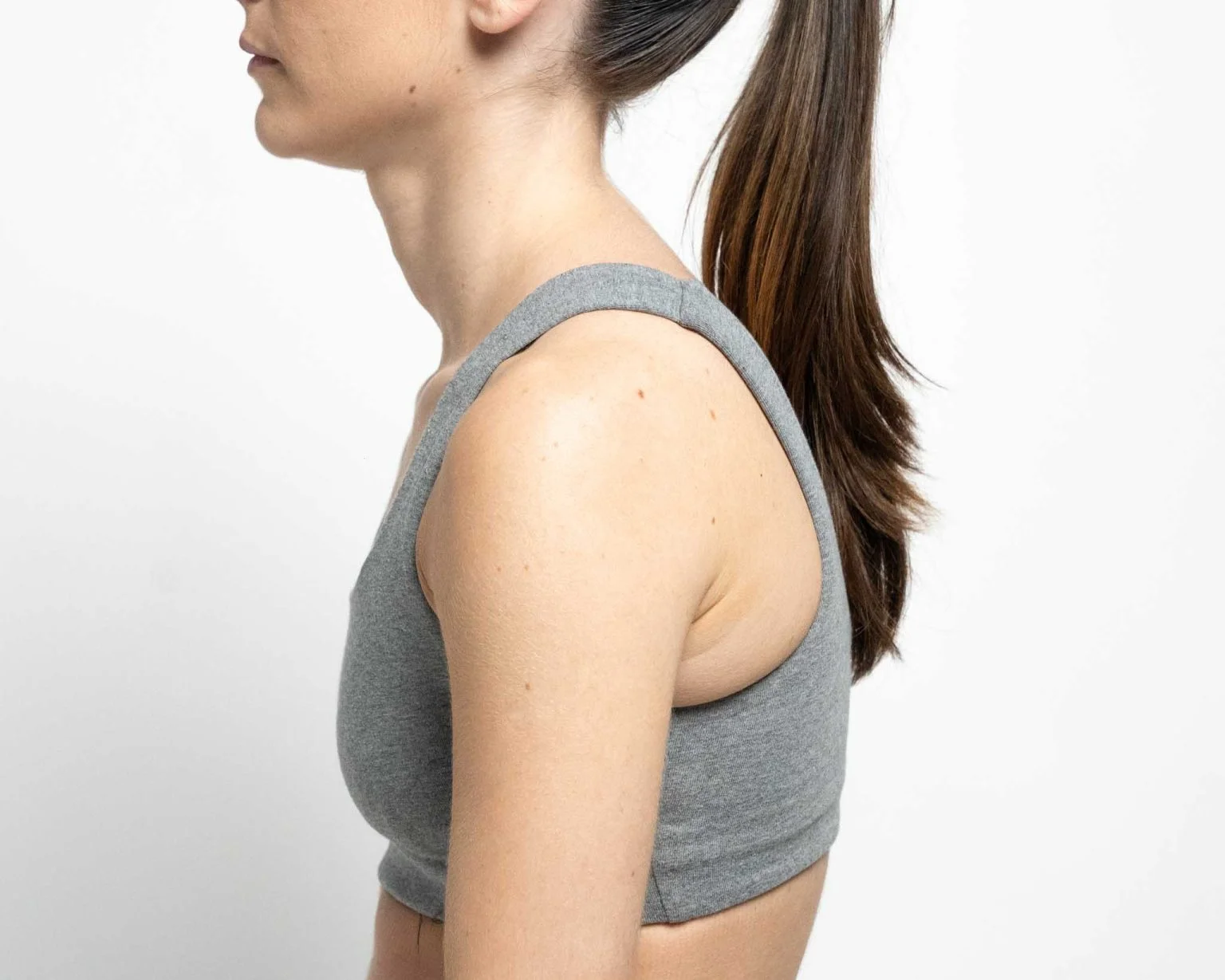
Is Osteopathy
Right for You?
Osteopathy is a suitable treatment option for individuals experiencing musculoskeletal pain or mobility issues. This natural, non-invasive approach can be beneficial for those seeking relief from discomfort without relying on medication or surgery, making it an appealing choice for people looking to improve their physical well-being through gentle, hands-on techniques.
However, osteopathy may not be ideal for everyone. Individuals with specific medical conditions, such as osteoporosis or severe joint degeneration, may need to consider alternative treatments. A consultation with a healthcare provider can help assess your unique needs and determine if osteopathy is the most appropriate option for you.
Osteopathy often yields the best results when integrated into a continued care plan. Patients who commit to multiple sessions over time can experience progressive improvements in pain relief and mobility, enhancing their overall quality of life through consistent, tailored care.
Osteopathy FAQ
Session length can vary depending on your goals and what is needed on the day. Your clinician will explain the plan at the start of the appointment.
Osteopathy: technique, benefits, steps, risks, and recovery
Osteopathy is typically part of a broader plan that includes movement progression, sleep and stress strategies when relevant, and collaboration with other clinicians for complex cases.
Technique (how it works)
Osteopathy uses manual assessment and selected hands‑on techniques to influence joint mobility and muscle tone, combined with education and exercise to build longer‑term capacity. Treatment is tailored to the individual’s presentation and goals.
Medical benefits
- May reduce pain and improve movement confidence in selected musculoskeletal problems.
- Hands‑on care can support short‑term symptom relief for some people.
- Education and home exercises support longer‑term functional gains.
- Integrates well with physiotherapy, exercise therapy, and medical review when needed.
Procedural steps
- History and screening for red flags or referral needs.
- Movement assessment and identification of contributing factors.
- Hands‑on treatment where appropriate.
- Exercise plan and practical strategies for daily activities.
- Follow‑up reassessment and progression of the plan.
Risks and complications
- Temporary soreness or symptom flare after hands‑on work.
- Bruising or mild discomfort with manual techniques (uncommon).
- Injury risk if techniques are inappropriate for the condition (screening reduces this risk).
- Delayed diagnosis if red flags are missed; seek review for worsening or unusual symptoms.
Preparation and aftercare
- Bring a medication list and any relevant imaging or reports.
- Wear comfortable clothing for movement assessment.
- Follow the home programme consistently and track functional change.
- Seek medical advice for red flags such as fever, unexplained weight loss, or progressive neurological symptoms.
Recovery timeline
Many people feel short‑term symptom change within days, while longer‑term improvement depends on consistent exercise and activity progression over weeks to months.
Non-Invasive Treatments
Comprehensive therapies and conservative care plans without breaking the skin.
Pharmacological Pain Management
Pain causing disability and psychosocial issues is diagnosed through anamnesis and physical exams. Treatment usually involves medication for pain from tissue damage, inflammation, or nerve disorders.
Learn morePhysiotherapy
Physiotherapy restores movement and function with personalized exercises and techniques. It improves physical function, aids recovery, and helps prevent future issues through customized programs.
Learn moreOsteopathy
By moving, stretching and massaging a patient's muscles and joints, osteopathy can treat and prevent musculoskeletal diseases. Our certified team will provide the best techniques targeted for you.
Learn moreOccupational Therapy
The goal of the therapy is to develop, recover, or maintain the meaningful activities of the patient. In this context we have a specialized team with personalized techniques in order to provide you the best care.
Learn moreSpeech Therapy
This therapy focuses on the assessment and treatment of communication, speech or swallowing disorders. For that reason, we have with us a certified team that will help you to prevent, evaluate and treat these wide range of pathologies.
Learn morePsychology
Psychology is the scientific study of the mind and behavior and includes many sub-fields. Our certified team, as in any other consultation, reserves the right to confidentiality and is ready to help you improve your mental health.
Learn moreNutrition
Our clinic offers expert nutritional consultations to optimize your physical performance. Our experienced team provides advice on healthy eating, weight loss, child and adolescent nutrition, pregnancy, food intolerances, and more.
Learn moreExercise
Our team offers personalized exercise programs to speed recovery, reduce pain, and build patient confidence. A good rehabilitation program also benefits mental health, motivation, and overall lifestyle. With one-on-one guidance, we aim for better results in less time.
Learn morePodology
Feet house a quarter of the body's bones and support its weight. Podology treats foot and nail conditions, including care for diabetic patients. Our podiatrists offer advanced pedicuring and foot care services.
Learn moreHome Care
We provide home care services that promote the independent living that suits you. Your bespoke care plan will reflect your exact needs to ensure that your support is focused entirely around you.
Learn more