Treatment
Platelets rich plasma injection
Concentrated platelets from your own blood support tissue healing and pain relief.
What patients can expect
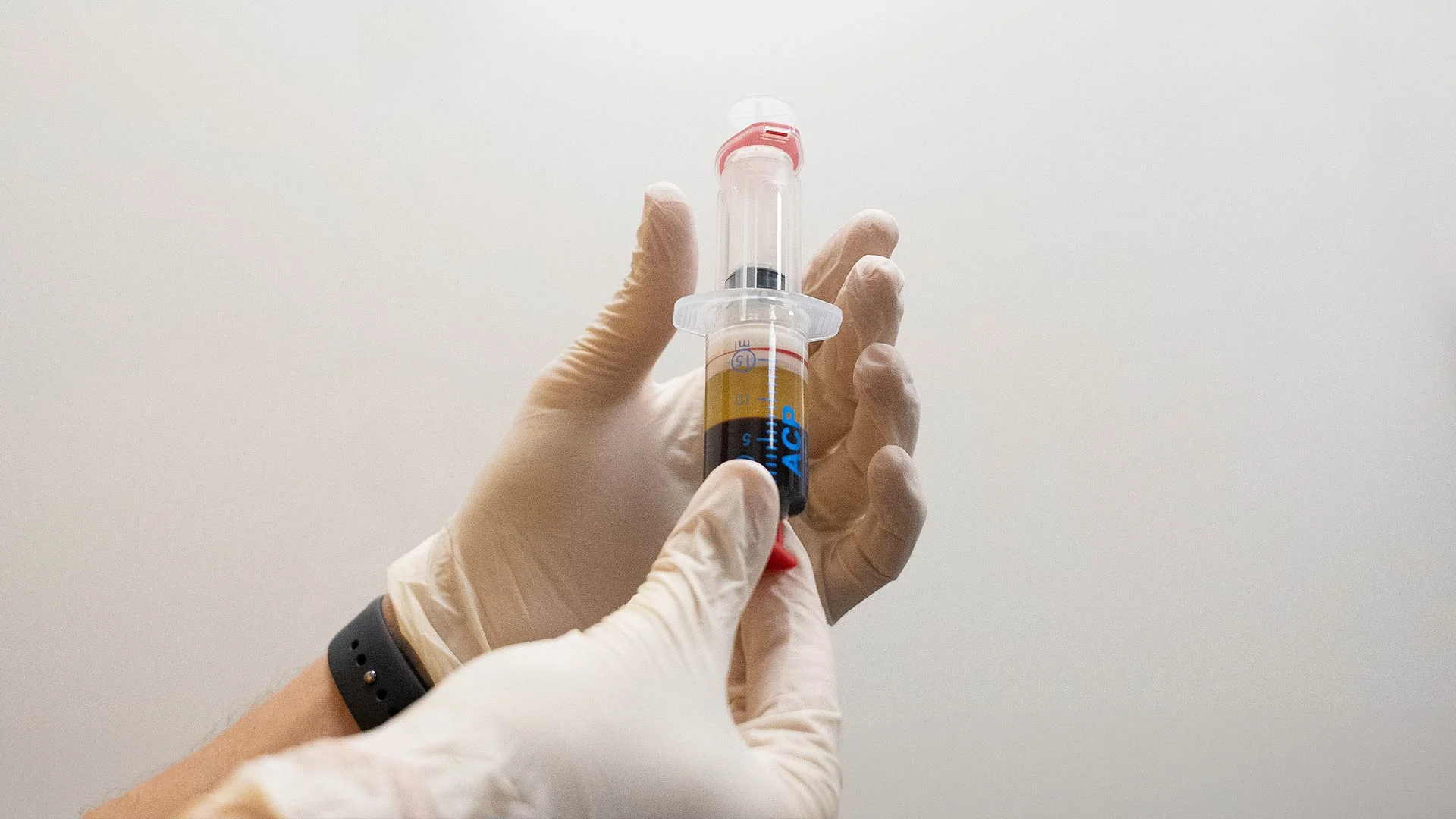
Platelet‑rich plasma (PRP) uses a concentrated portion of your own blood (platelets and growth factors) placed into a target tissue to support healing in selected tendon, ligament, or joint conditions. Evidence and expected response vary by diagnosis, which is why careful assessment matters.
The appointment usually includes a review of symptoms, examination, and imaging where needed. Blood is drawn, processed to concentrate platelets, then injected into the target region—often with ultrasound guidance for accuracy.
Aftercare typically involves short relative rest followed by a structured graded loading and rehabilitation plan. This combination is often central to longer‑term improvement.
Understanding the
Platelet–Rich Plasma
Injection Process
Platelet‑Rich Plasma (PRP) injections are a regenerative treatment used to support healing in selected tendon, ligament, and joint conditions.
PRP is derived from your own blood, which makes it a natural, low‑risk option when it is used in the right clinical context.
PRP is a concentrated portion of platelets and growth factors created from a small sample of blood. These factors may influence the local healing environment and support a graded rehabilitation plan.
By increasing the concentration of these growth factors, PRP injections can help stimulate tissue repair and reduce inflammation at the injury site in selected diagnoses.
Here is how the procedure is done:
What to Expect From the Procedure
The PRP injection post‑procedure care is simple and straightforward:
During the Procedure
The injection process is relatively quick, typically taking about 30 to 60 minutes. Discomfort is usually minimal, but you may feel a brief sting or pressure at the injection site.
Post‑Procedure Care
You may experience mild soreness and bruising at the injection site. It's recommended to rest the treated area and avoid strenuous activities for a few days. Follow‑up may be advised depending on the condition.
Results Timeline
Improvement can vary, with some patients noticing relief within a few weeks, while others may require several months to see significant benefits. The healing response progresses in stages, which is why a graded rehab plan matters.
Benefits of PRP Injections
PRP injections offer several benefits, such as:
Accelerated Healing
PRP can support the healing process by delivering a higher concentration of growth factors to the treated area.
Reduced Pain & Inflammation
PRP may help reduce pain and inflammation, supporting improvements in mobility and function in selected conditions.
Natural & Low‑Risk
Since PRP is derived from your own blood, the risk of allergic reactions is low, and serious complications are uncommon.
Conditions Treated with PRP
Injections
Chronic Tendon Injuries
Conditions such as tennis elbow, Achilles tendinitis, and patellar tendinitis can benefit from PRP therapy in selected cases.
Acute Ligament & Muscle Injuries
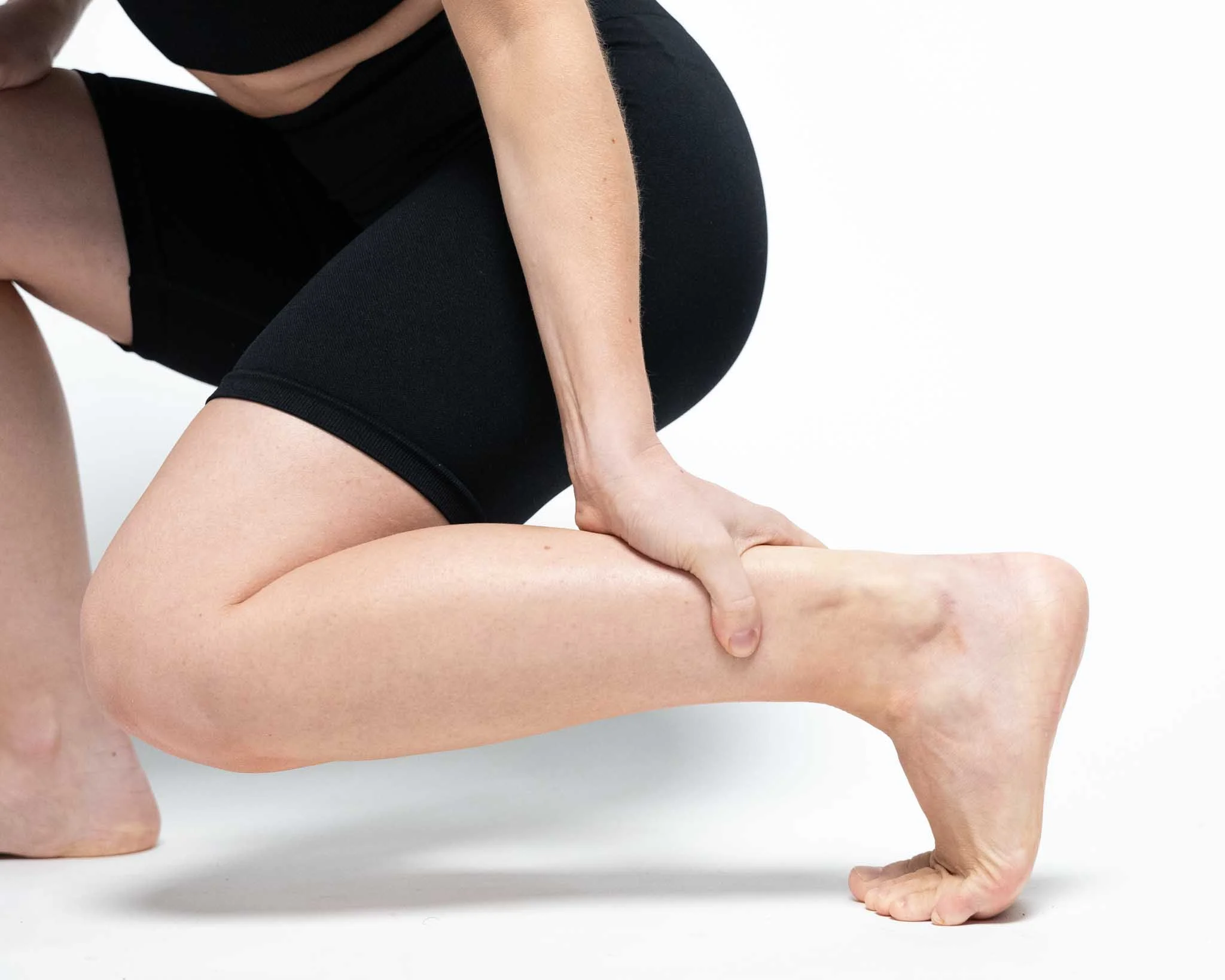
PRP is used in treating selected sports injuries such as pulled muscles and sprains, based on diagnosis and stage of healing.
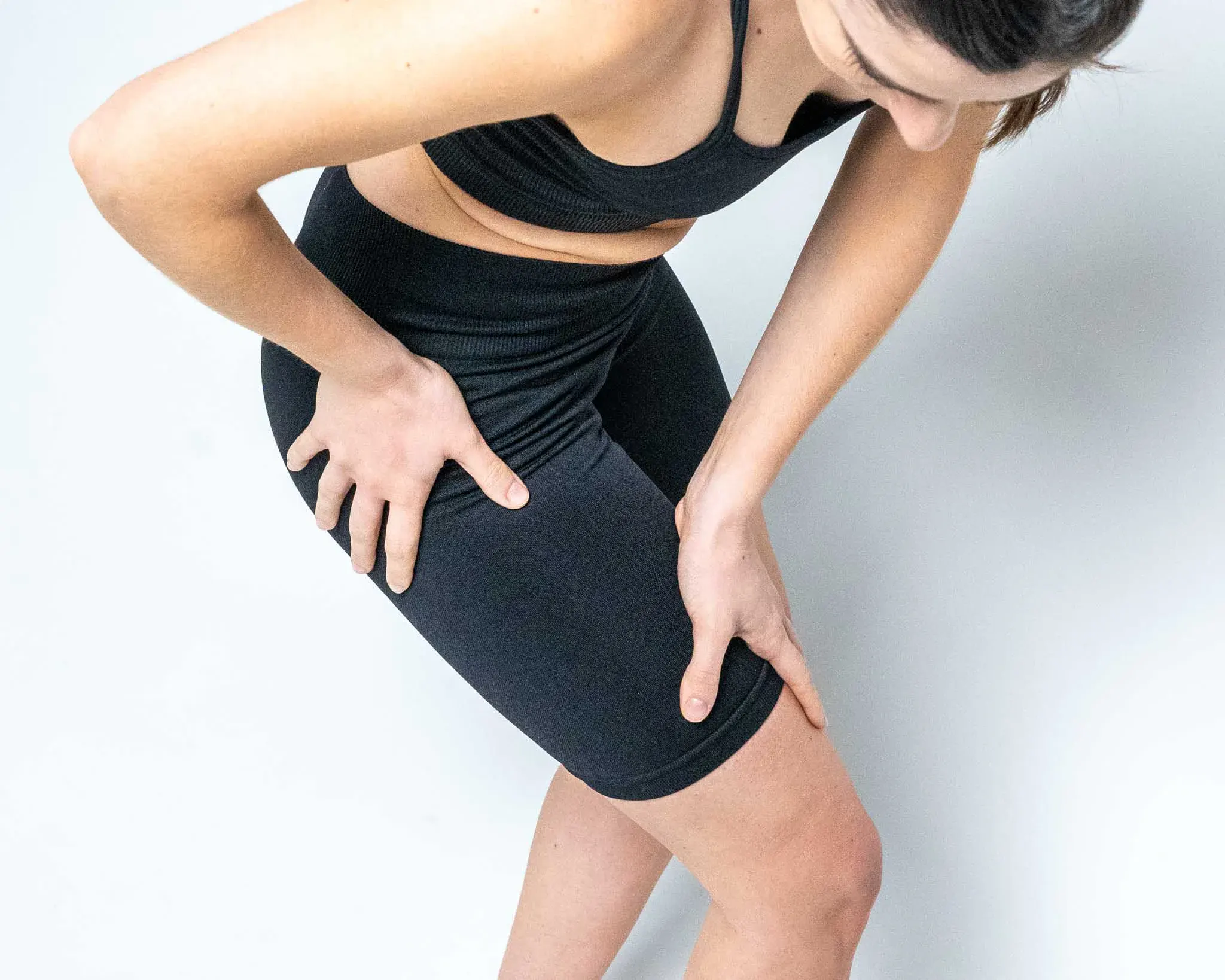
Osteoarthritis
Early studies show promise for selected joint pain and stiffness patterns, and PRP may be considered alongside a graded strengthening plan.
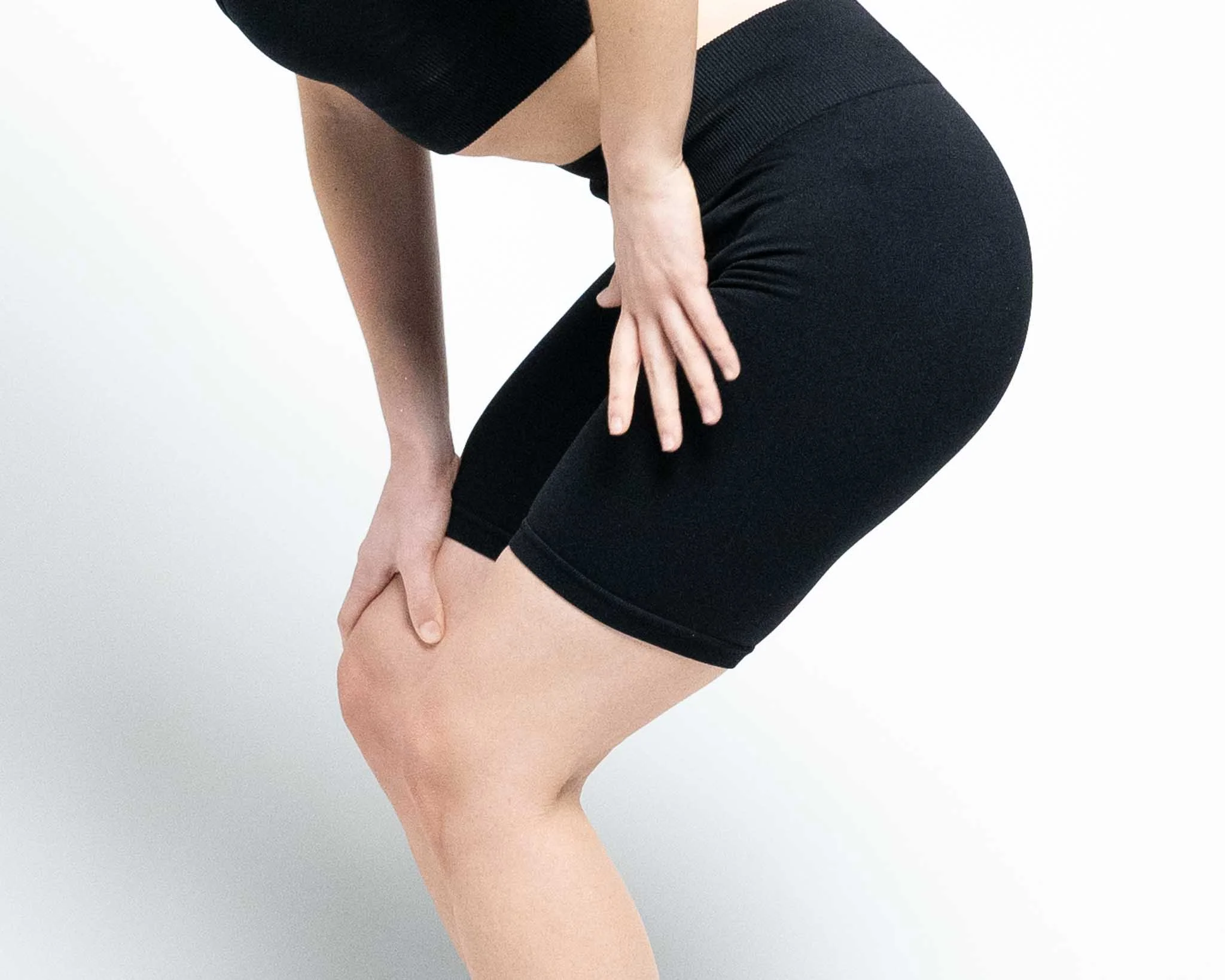
Post‑Surgical Healing
PRP can be used to support recovery in some surgical contexts involving tendons, ligaments, and muscles, when clinically appropriate.
Are Platelet–Rich Plasma
Injections Right for You?
Platelet‑Rich Plasma (PRP) injections could be a suitable choice if you're looking for a natural, minimally invasive way to support recovery and manage pain in selected conditions.
PRP is often considered when symptoms persist despite rehabilitation and other conservative treatments. Because PRP is usually paired with a graded loading plan, it may be especially helpful when the goal is to improve tolerance to activity and movement.
Since PRP uses components from your own blood, it appeals to many people who prefer a biologic approach rather than introducing foreign substances.
By consulting with your clinician, you can determine whether PRP aligns with your diagnosis, symptom severity, and long‑term health goals.
Platelet–Rich Plasma FAQ
Many people start noticing changes within a few weeks to a few months. Timing depends on the condition being treated, the tissue involved, and the individual healing response, as well as how consistently rehabilitation is followed.
PRP injection: technique, benefits, steps, risks, and recovery
PRP is usually an adjunct to rehabilitation, not a replacement for it. Your clinician will explain whether PRP is appropriate for your condition and what outcomes are realistic.
Technique (how it works)
Blood is processed to concentrate platelets, then PRP is injected into the target tissue. Platelets release growth factors that may influence the local healing response in selected conditions.
Medical benefits
- May support gradual symptom improvement in selected tendon and joint problems.
- Uses your own blood components; serious complications are uncommon.
- Often improves tolerance to rehabilitation progressions when combined with a graded plan.
- Outpatient procedure with a short appointment time.
Procedural steps
- Assessment, target selection, and explanation of expected outcomes.
- Blood draw and processing to concentrate platelets.
- Skin preparation and local anaesthetic (case‑dependent).
- Injection into the target area, often under ultrasound guidance.
- Aftercare plan and rehabilitation schedule for the following weeks.
Risks and complications
- Soreness or temporary pain flare.
- Bruising, bleeding, or infection (rare).
- Incomplete relief if the diagnosis or target is not correct.
- Post‑procedure stiffness if activity progression is not followed appropriately.
Preparation and aftercare
- Bring medication list; ask about anti‑inflammatory medicine guidance around the procedure.
- Plan relative rest for 24–48 hours, then follow a graded loading plan.
- Monitor for fever, spreading redness, or severe worsening pain.
- Schedule rehabilitation follow‑up and track functional changes over time.
Recovery timeline
PRP response is typically gradual over weeks to months. Progress is best tracked through function and load tolerance rather than pain alone, alongside a structured rehabilitation programme.
Minimally
Invasive Treatments
State-of-the-art techniques requiring only small incisions, reducing recovery time and discomfort.
Vertebroplasty
Vertebroplasty treats spinal fractures by injecting bone cement to stabilize the vertebra. This minimally invasive procedure reduces pain and improves mobility, especially for compression fractures in osteoporosis patients.
Learn moreRadiofrequency
Radiofrequency ablation is a minimally invasive procedure guided by ultrasound or fluoroscopy that uses an electric current to heat and disable nerve tissue, preventing it from sending pain signals.
Learn moreInterspinous Spacers
Interspinous spacers are small implants that relieve spinal nerve pressure, effectively treating lower back pain and stenosis. This minimally invasive procedure offers faster recovery and is typically done in under an hour.
Learn morePeripheral Nerve Block
This minimally invasive procedure, guided by ultrasound or fluoroscopy, injects a local anesthetic to block nerve signals. Adding corticosteroids extends its effect, useful for acute or subacute musculoskeletal conditions.
Learn moreIntra-articular Corticosteroids Injection
Corticosteroids, injected with ultrasound guidance, reduce pain and inflammation in inflammatory arthritis and musculoskeletal conditions. This precise, minimally invasive procedure avoids systemic effects.
Learn moreCalcification Barbotage
Calcific tendinitis, caused by calcium deposits in tendons, is treated with ultrasound-guided barbotage. This procedure removes the deposits and is followed by a corticosteroid injection to reduce inflammation.
Learn moreCryoablation
Cryoablation uses cold temperatures and is a minimally invasive procedure guided by ultrasound or fluoroscopy. The indications vary and include treatment of chronic low back pain, others spine pain and osteoarthritic joints with severe pain and non-controlled by medication.
Learn moreNucleoplasty
Nucleoplasty is a fluoroscopy-guided procedure that treats disc herniation by relieving pressure on the disc and nerves. It takes less than an hour and is performed on an outpatient basis.
Learn morePlatelets Rich Plasma Injection
PRP therapy extracts a platelet-rich portion of a patient's blood and injects it into damaged tissues to promote healing. Typically, three injections are given 1-2 weeks apart for conditions like osteoarthritis, tennis elbow, and muscle tears.
Learn moreHydrodistention
Hydrodistention is mainly used for shoulder conditions, but it can also help with joint pain. By injecting fluid into the joint, it can reduce pain and improve mobility, offering relief in cases of joint stiffness or inflammation.
Learn moreBotulin Toxin Injection
Botulinum toxin blocks acetylcholine release, relaxing overactive muscles when injected, ideally under ultrasound. It treats spasticity, contractures, overuse tendinosis, and can benefit knee osteoarthritis and migraines.
Learn more