

Pain medicine speciality
Lumbar spine pain
Lower back pain can limit movement, sleep and confidence in everyday activities.
Treatments for lumbar spine pain
At Algarve Pain Centre in Vale do Lobo, Algarve, we offer a comprehensive range of evidence-based treatments for lumbar spine pain. Our multidisciplinary team of pain medicine physicians, spine surgeons, rehabilitation specialists and psychologists works together so that your plan is built from multiple expert perspectives, not just one.
Whether your pain is recent or long‑standing, we focus on understanding how it affects your daily life and long‑term goals. This helps us decide when simple measures are enough and when more advanced interventions are needed.
Lumbar spine pain overview
Lumbar spine pain refers to pain that is felt in the lower back, specifically in the area of the lumbar vertebrae.
The lumbar region is the lower portion of the spine and consists of five vertebrae that are responsible for supporting the weight of the upper body and providing flexibility and range of motion for the lower body.
Chronic low back pain is one of the most common pain syndromes and represents an important burden and cost generator for society.
Contact usSymptoms & Diagnosis
Symptoms of lumbar spine pain can vary widely depending on the underlying cause and may include localized pain in the lower back, as well as radiating pain, numbness, or tingling sensations in the legs or feet.
Lumbar spine pain can be caused by a variety of factors, including injury, poor posture, arthritis, or degenerative disc disease. In some cases, the pain may be acute and resolve on its own with rest and conservative treatments. However, in other cases, the pain may be chronic and require more aggressive interventions, such as surgery.
Diagnostic tests for lumbar spine pain may include X‑rays, CT scans, MRIs, and nerve conduction studies to help identify the underlying cause and guide treatment decisions.
Most Common Syndromes
Lumbar facet joints constitute a common source of pain and remain a misunderstood, misdiagnosed and improperly treated pathology.
Facet osteoarthritis is the most frequent form of facet pathology.
Radicular Pain
Radicular pain is a term applied to describe pain that results from the stimulation of, or a disorder of, a nerve root. Irritation of the nerves in the spine can cause a variety of symptoms, which differ from person to person.
Common symptoms include: pain and increased sensitivity; pins and needles; and numbness; muscle weakness; altered sensations such as trickling water.
Nerve pain is usually described as burning in nature, and normally spreads below the knee or elbow in the affected limb. Often nerve pain and back pain are present at the same time.

Facet Joint Syndrome
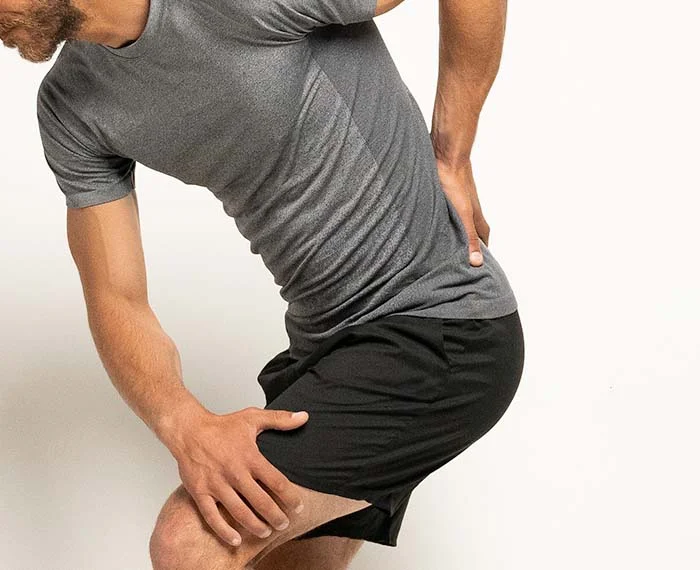
Lumbar facet joints (FJs) constitute a common source of pain and remain a misunderstood, misdiagnosed and improperly treated pathology. Facet osteoarthritis is the most frequent form of facet pathology.
FJ pain may be referred distally into the lower limb, thereby mimicking sciatica.
“Pseudo‑radicular” lumbar pain typically radiates uni‑ or bilaterally to the buttock and the trochanteric region, the groin and the thighs, ending above the knee, without neurological deficits.
Sacroiliac Joint Pain
Patients experiencing sacroiliac joint pain may present with a wide variety of complaints. Gluteal pain near or surrounding the posterior superior iliac spine is the most common region.
Other symptoms include groin pain, pain radiating into the lower extremity, numbness, and clicking or popping in the posterior pelvis.
Pain, clicking, or both with transitional activities such as getting up from a chair or in and out of a car may also be noted.


Lumbar Spinal Stenosis
The term lumbar spinal stenosis refers to the anatomical narrowing of the spinal canal and is associated with a plethora of clinical symptoms.
The clinical features of the condition are heterogeneous, and often, but not always, include neurological symptoms. Typically, patient symptoms comprise unilateral or bilateral (exertional) back and leg pain, which slowly develops and persists over several months, or even years.
The back pain is localized to the lumbar spine and can radiate towards the gluteal region, groin and legs, frequently displaying a pseudo radicular pattern.
Discogenic Pain
Discogenic pain shares clinical signs with lumbosacral radicular pain. There are no specific characteristics in the patient's history that confirm or disprove the diagnosis of discogenic low back pain.
More typical features include persistent, nociceptive low back, groin and/or leg pain that worsens with axial loading and improves with recumbence.
Intervention Options
Explore common procedures that can support pain relief and rehabilitation.





Tips for maintaining a healthy spine
Maintaining a healthy spine supports overall wellbeing. These practical habits can help reduce strain and improve movement over time.
1.
Practice Good Posture
Keep a neutral spine when sitting or standing. Avoid slouching and long periods in one position.
2.
Exercise Regularly
Build strength and mobility with low‑impact activity such as walking, swimming or cycling.
3.
Maintain a Healthy Weight
Reducing excess load on the spine can ease symptoms and support long‑term joint health.
4.
Use Proper Lifting Techniques
Bend at the hips and knees, keep the load close, and avoid twisting when lifting.
5.
Take Breaks from Sitting
Stand up, stretch and move every 30–60 minutes to reduce stiffness and pressure.
6.
Practice Stress Reduction
Sleep, breathing and relaxation techniques can reduce muscle tension and improve recovery.
Let us help you
If you're experiencing lumbar spine pain, consulting a healthcare provider is essential. This type of pain may signal serious underlying issues like herniated discs, spinal stenosis, or spondylolisthesis, which can lead to nerve damage or spinal cord compression if left untreated. Early intervention is crucial to prevent long‑term complications and manage pain effectively.
Lumbar spine pain can also significantly impact daily activities, such as walking or sitting, and interfere with work and recreational pursuits. Seeking treatment not only helps alleviate pain but also improves functionality, preventing the condition from becoming chronic. A healthcare provider can also address risk factors or lifestyle issues contributing to the pain, offering recommendations such as posture‑improving exercises or weight loss strategies.
Remember, timely treatment is key to maintaining your quality of life and preventing more invasive interventions later.
For patients
Your plan is built collaboratively. We explain findings, discuss options and agree next steps that fit your goals.
Please bring medication lists and any imaging reports to appointments. Let us know your priorities so we can tailor care.
For clinicians
We welcome referrals and provide clear communication on assessment, working diagnosis and management plans.
Our approach integrates guideline-informed care and shared decision-making. Please contact us to discuss complex cases.
Most common patterns
How lumbar spine pain can present
People experience pain in different ways. Exploring the pattern of your symptoms helps us match you with the most appropriate investigation and treatment.
Pain that changes with posture or movement (bending, lifting, prolonged sitting). Often improves with graded activity and strengthening.