Treatment
Physiotherapy
Movement, strengthening and manual therapy support long-term recovery and mobility.

What patients can expect
Physiotherapy combines assessment, education, and a graded movement plan to improve function and reduce pain interference. Treatment is built around your goals—walking, stairs, work tolerance, sport, or everyday tasks—rather than a one‑size‑fits‑all set of exercises.
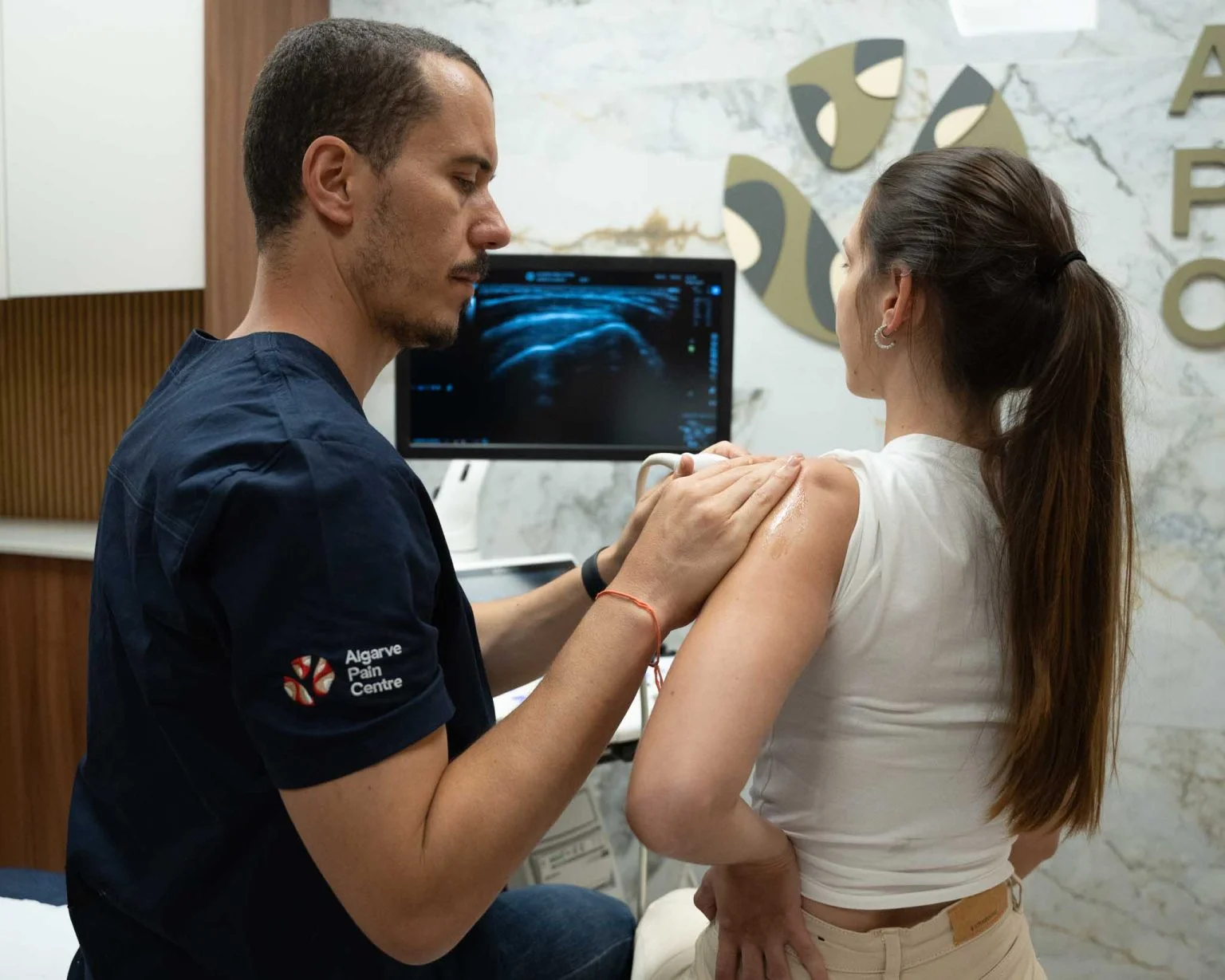
A session usually includes a detailed history, movement and strength testing, and a plan you can follow between visits. Hands‑on techniques may be used as an adjunct, but long‑term improvements usually depend on progressive exercise, pacing, and confidence with movement.
After sessions, you’ll have home exercises and clear guidance on what levels of discomfort are acceptable. Your plan is adjusted over time based on measurable progress, flare patterns, and what matters most to you.
Understanding
Physiotherapy
Physiotherapy is a non‑invasive treatment that enhances movement, promotes healing, and helps prevent future injuries through personalised exercise and rehabilitation techniques.
It focuses on restoring and maintaining physical function with tailored exercise programmes, manual therapy, and other techniques for musculoskeletal and neurological issues, supporting recovery without the need for surgery or procedures.
What this Process Looks Like
Physiotherapy usually starts with a detailed assessment, continues with targeted treatment sessions, and is reinforced by guided exercises at home to support lasting progress.
What to Expect After
Implementation
Here's a breakdown of what you can expect:
Increased Mobility & Strength
Over time, many people improve range of motion, strength, and confidence with movement, helping them move more freely in daily life.
Reduced Pain & Discomfort
Pain relief is often gradual but noticeable, with reduced discomfort as tissue capacity improves and flare cycles become easier to manage.
Self‑Management Skills
Physiotherapy equips you with knowledge and exercises to manage your condition independently and reduce the likelihood of recurrence or future injuries.
Benefits of Physiotherapy
Physiotherapy can significantly improve quality of life for those living with chronic pain.
Some of the main benefits include:
Non–Invasive
Recovery
Patients can recover mobility and strength without surgery, making it an ideal option for those who prefer non‑invasive treatments.
Preventative
Care Approach
Physiotherapy helps prevent future injuries by strengthening the body's support systems and improving physical function.
Personalized
Rehabilitation
Each programme is tailored to your needs, making therapy effective and responsive to changes in your condition.
Conditions Treated with
Physiotherapy
Musculoskeletal Issues
Physiotherapy is effective for back pain, neck pain, and joint problems due to injury or overload, supporting strength and movement control.

Post‑Surgical Recovery
Structured rehabilitation helps rebuild strength, restore range of motion, and return to daily activities safely after surgery.

Neurological Disorders
Physiotherapy can improve motor control, balance, and mobility in conditions affecting the nervous system, supporting independence.

Sports Injuries
From sprains and strains to overuse injuries, physiotherapy supports safe return to sport through progressive loading and technique coaching.
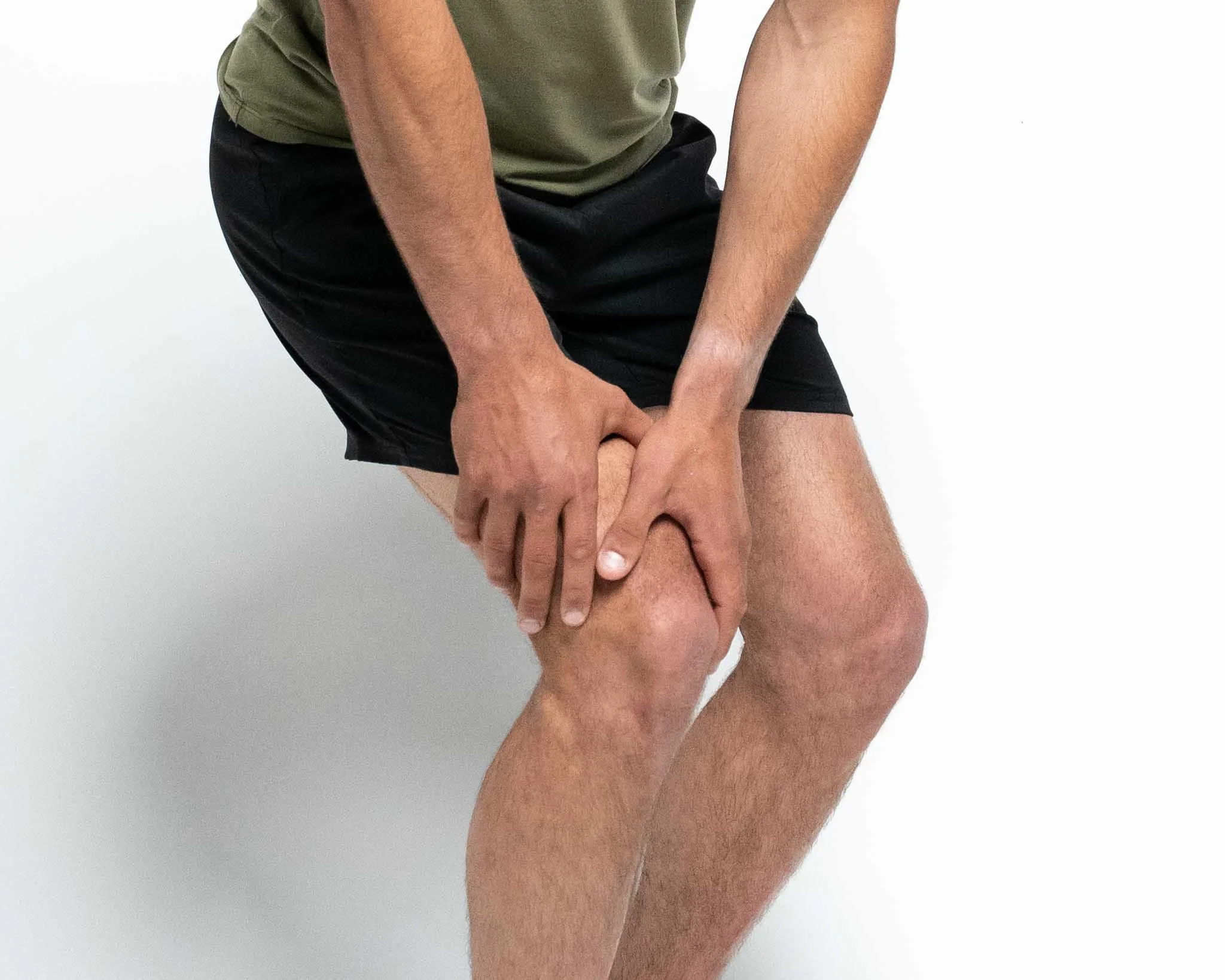
Is Physiotherapy
Right for You?
Physiotherapy can be ideal for people experiencing pain, restricted movement, or recovering from injuries or surgeries. It can provide relief, improve mobility, and support the healing process across a wide range of physical issues.
While physiotherapy can benefit many, it may not be suitable for everyone—especially if there are medical restrictions or red‑flag symptoms. A thorough assessment helps determine whether physiotherapy is the best approach for your situation.
Physiotherapy often requires a longer‑term commitment. For chronic conditions, multiple sessions may be necessary for optimal results, leading to meaningful, lasting improvements in function.
Physiotherapy FAQ
Session length can vary by clinic and goals, but many appointments last around 30–60 minutes. Your clinician will confirm timing and what to expect for your specific plan.
Physiotherapy: technique, benefits, steps, risks, and recovery
Physiotherapy is a progressive process. The focus is safe exposure to movement, improved strength and endurance, and better self‑management—often alongside medical care when needed.
Technique (how it works)
Physiotherapy uses assessment findings to create a graded programme of mobility, strength, and conditioning. Education and pacing strategies reduce flare cycles, while targeted exercise improves tissue capacity and nervous system tolerance.
Medical benefits
- Improved function, confidence, and activity tolerance over time.
- Reduced pain interference and better flare‑up management strategies.
- Strength, balance, and endurance improvements that protect long‑term mobility.
- Supports recovery after procedures or surgery with structured progression.
Procedural steps
- History and screening for red flags or referral needs.
- Movement, strength, and functional assessment.
- Shared goals and an initial programme with safe starting dose.
- Progression rules and a flare‑up plan.
- Reassessment and updates as capacity improves.
Risks and complications
- Temporary symptom increase after new exercises or manual therapy.
- Delayed onset muscle soreness with strength work (normal and usually short‑lived).
- Injury risk if exercises progress too quickly without guidance.
- Persistent symptoms if underlying diagnosis requires medical review or imaging.
Preparation and aftercare
- Wear comfortable clothing and bring supportive footwear if relevant.
- Bring a medication list and any relevant imaging or reports.
- Follow home exercises consistently; small, frequent practice works best.
- Report new neurological symptoms or red flags for prompt medical review.
Recovery timeline
Many people notice early improvements in confidence and movement within weeks. Strength and capacity gains typically build over weeks to months, supported by progressive loading and consistent practice.

Non-Invasive Treatments
Comprehensive therapies and conservative care plans without breaking the skin.
Pharmacological Pain Management
Pain causing disability and psychosocial issues is diagnosed through anamnesis and physical exams. Treatment usually involves medication for pain from tissue damage, inflammation, or nerve disorders.
Learn morePhysiotherapy
Physiotherapy restores movement and function with personalized exercises and techniques. It improves physical function, aids recovery, and helps prevent future issues through customized programs.
Learn moreOsteopathy
By moving, stretching and massaging a patient's muscles and joints, osteopathy can treat and prevent musculoskeletal diseases. Our certified team will provide the best techniques targeted for you.
Learn moreOccupational Therapy
The goal of the therapy is to develop, recover, or maintain the meaningful activities of the patient. In this context we have a specialized team with personalized techniques in order to provide you the best care.
Learn moreSpeech Therapy
This therapy focuses on the assessment and treatment of communication, speech or swallowing disorders. For that reason, we have with us a certified team that will help you to prevent, evaluate and treat these wide range of pathologies.
Learn morePsychology
Psychology is the scientific study of the mind and behavior and includes many sub-fields. Our certified team, as in any other consultation, reserves the right to confidentiality and is ready to help you improve your mental health.
Learn moreNutrition
Our clinic offers expert nutritional consultations to optimize your physical performance. Our experienced team provides advice on healthy eating, weight loss, child and adolescent nutrition, pregnancy, food intolerances, and more.
Learn moreExercise
Our team offers personalized exercise programs to speed recovery, reduce pain, and build patient confidence. A good rehabilitation program also benefits mental health, motivation, and overall lifestyle. With one-on-one guidance, we aim for better results in less time.
Learn morePodology
Feet house a quarter of the body's bones and support its weight. Podology treats foot and nail conditions, including care for diabetic patients. Our podiatrists offer advanced pedicuring and foot care services.
Learn moreHome Care
We provide home care services that promote the independent living that suits you. Your bespoke care plan will reflect your exact needs to ensure that your support is focused entirely around you.
Learn more