Treatment
Speech therapy
Specialist support helps improve speech, language and swallowing after injury or illness.
What patients can expect
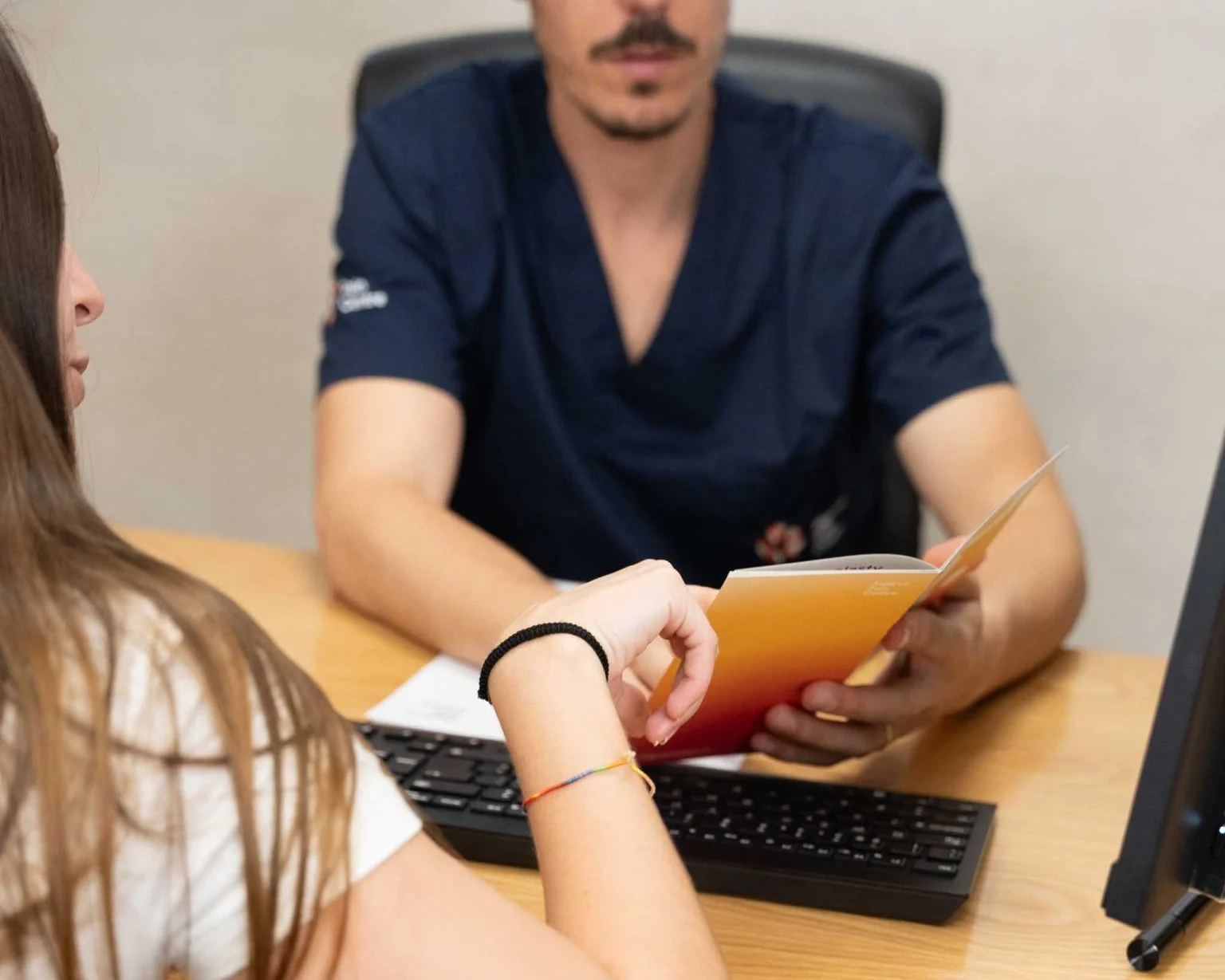
Speech and language therapy supports communication, voice, and swallowing. Care may be needed after stroke or neurological illness, following head and neck problems, or when speech and swallowing change with ageing or medical conditions.
The first session includes an assessment of speech clarity, language, cognition‑communication (when relevant), voice, and swallowing safety. Your therapist then sets practical goals and provides a plan for practice at home.
If swallowing is a concern, safety is prioritised. Your clinician may advise food texture changes, swallowing strategies, and coordination with medical assessment where needed.
Understanding
Speech Therapy
Speech therapy encompasses various techniques aimed at improving communication skills and addressing swallowing difficulties. It targets a range of speech issues, from articulation and fluency to language comprehension and voice disorders. For individuals facing challenges in expressing themselves or experiencing issues with swallowing, speech therapy offers structured, goal-oriented interventions to enhance both functional communication and quality of life.
What this Process Looks Like
What to Expect After Implementation
Enhanced Communication Skills
Many patients experience improved clarity in speech, better articulation, and increased confidence in verbal communication.
Improved Quality of Life
Enhanced communication and safer swallowing can lead to increased social interaction, higher self-esteem, and overall well-being.
Long‑Term Progress
Speech therapy often yields gradual improvements, with lasting benefits as patients continue to practice their skills independently or with family support.
Benefits of Speech Therapy
Speech Therapy can significantly improve the quality of life.
Some of the main benefits include:
Improved Cognitive-Linguistic Skills
Speech therapy also supports cognitive-linguistic development, especially in children and those recovering from brain injuries.
Increased Social Confidence
By enhancing communication skills, patients feel more confident and comfortable in social situations, which can improve social integration and personal relationships.
Support for Swallowing Disorders
For patients with swallowing difficulties, speech therapy offers techniques that promote safer swallowing and reduce the risk of choking or aspiration.
Conditions Treated with
Speech Therapy
Articulation & Phonological Disorders
Therapy helps individuals with sound formation and pronunciation challenges.

Fluency Disorders
Therapy can address stuttering and other fluency issues, improving ease and comfort in speaking.

Language Disorders
Patients with difficulties in understanding or using language, whether due to developmental delays or neurological conditions, benefit from targeted language exercises.

Voice Disorders
For those with vocal quality issues (hoarseness, pitch problems), therapy includes techniques for better vocal control.

Dysphagia
Patients with swallowing difficulties learn strategies to improve swallowing safety and reduce the risk of aspiration.
Is Speech Therapy
Right for You?
Speech therapy is suitable for individuals of all ages who experience challenges with speech, language, or swallowing. This may include children with developmental conditions, adults recovering from injury, or anyone facing difficulties in communication skills due to various causes. Through specialized techniques, speech therapy helps individuals improve their ability to communicate effectively and enhance their quality of life.
Achieving success in speech therapy requires a commitment to consistent practice. Regular participation in therapy sessions is essential, as well as engaging in prescribed exercises at home. This dedication to practice allows individuals to reinforce what they learn during therapy, fostering steady improvement over time.
Speech therapy often follows a gradual, long-term approach, especially for those with significant or complex needs. The best results come from steady progress and consistent reinforcement, helping individuals build skills that can lead to meaningful, lasting improvements in their communication abilities.
Speech Therapy FAQ
Frequency depends on your goals and the type of difficulties being addressed (speech, language, voice, or swallowing). Many plans start with regular sessions and adjust as skills improve.
Speech therapy: technique, benefits, steps, risks, and recovery
Speech therapy is personalised and practice‑based. Progress is supported by frequent, manageable home practice and clear goals that connect to real life communication and safety.
Technique (how it works)
Therapy uses structured exercises and functional practice to improve speech clarity, language, voice use, and swallowing strategies. The plan is adapted based on the underlying cause and your response over time.
Medical benefits
- Improved communication confidence and participation in social life.
- Better voice quality and reduced strain in selected voice problems.
- Improved swallowing safety strategies and reduced aspiration risk when relevant.
- Support for family and carers with practical communication tools.
Procedural steps
- Assessment of communication, voice, and/or swallowing based on the referral concern.
- Goal setting and explanation of what is driving the symptoms.
- Individualised exercises and functional practice tasks.
- Home programme and strategies for daily use.
- Follow‑up reassessment and progression plan.
Risks and complications
- Temporary vocal fatigue after voice exercises.
- Frustration or fatigue with challenging language tasks (therapy is paced to tolerance).
- Swallowing safety risk if recommendations are not followed when dysphagia is present.
- Delayed progress if practice is inconsistent between sessions.
Preparation and aftercare
- Bring a medication list and relevant medical history (for example stroke details, ENT reviews).
- Note when symptoms occur: fatigue, certain foods, or particular speaking situations.
- Practise the home programme little and often for best results.
- Seek urgent help for sudden new swallowing difficulty, facial droop, or new speech weakness.
Recovery timeline
Progress depends on the cause and severity. Many people notice improvement over weeks with consistent practice; longer‑term neurological recovery may take months and benefits from ongoing support.

Non-Invasive Treatments
Comprehensive therapies and conservative care plans without breaking the skin.
Pharmacological Pain Management
Pain causing disability and psychosocial issues is diagnosed through anamnesis and physical exams. Treatment usually involves medication for pain from tissue damage, inflammation, or nerve disorders.
Learn morePhysiotherapy
Physiotherapy restores movement and function with personalized exercises and techniques. It improves physical function, aids recovery, and helps prevent future issues through customized programs.
Learn moreOsteopathy
By moving, stretching and massaging a patient's muscles and joints, osteopathy can treat and prevent musculoskeletal diseases. Our certified team will provide the best techniques targeted for you.
Learn moreOccupational Therapy
The goal of the therapy is to develop, recover, or maintain the meaningful activities of the patient. In this context we have a specialized team with personalized techniques in order to provide you the best care.
Learn moreSpeech Therapy
This therapy focuses on the assessment and treatment of communication, speech or swallowing disorders. For that reason, we have with us a certified team that will help you to prevent, evaluate and treat these wide range of pathologies.
Learn morePsychology
Psychology is the scientific study of the mind and behavior and includes many sub-fields. Our certified team, as in any other consultation, reserves the right to confidentiality and is ready to help you improve your mental health.
Learn moreNutrition
Our clinic offers expert nutritional consultations to optimize your physical performance. Our experienced team provides advice on healthy eating, weight loss, child and adolescent nutrition, pregnancy, food intolerances, and more.
Learn moreExercise
Our team offers personalized exercise programs to speed recovery, reduce pain, and build patient confidence. A good rehabilitation program also benefits mental health, motivation, and overall lifestyle. With one-on-one guidance, we aim for better results in less time.
Learn morePodology
Feet house a quarter of the body's bones and support its weight. Podology treats foot and nail conditions, including care for diabetic patients. Our podiatrists offer advanced pedicuring and foot care services.
Learn moreHome Care
We provide home care services that promote the independent living that suits you. Your bespoke care plan will reflect your exact needs to ensure that your support is focused entirely around you.
Learn more