Treatment
Exercise
Structured exercise plans help you move more, with less pain and more confidence.
What patients can expect
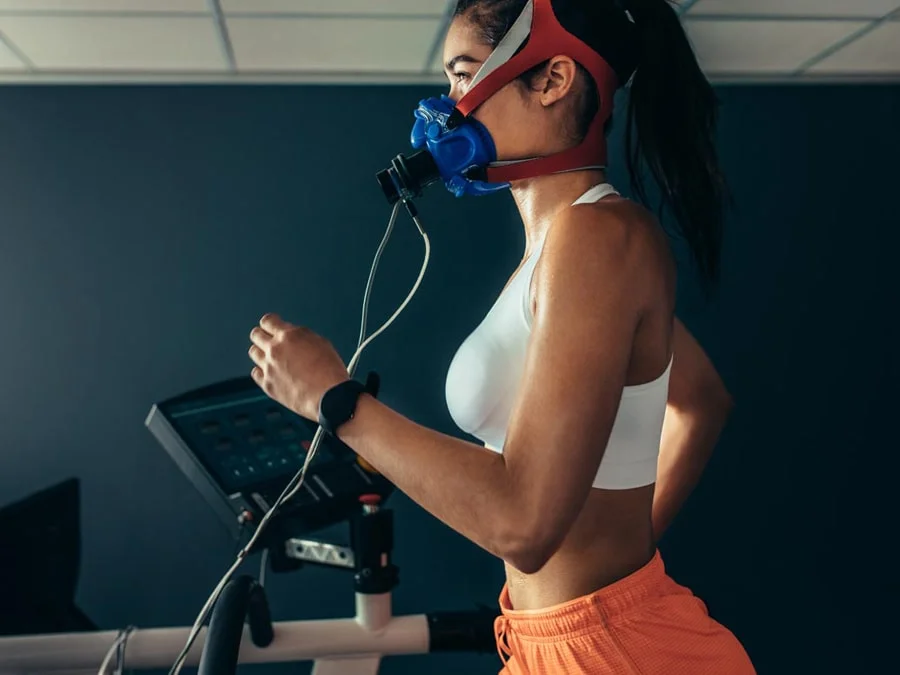
Exercise therapy uses a structured, progressive plan to rebuild strength, mobility, and confidence with movement. The aim is improved function—walking, lifting, stairs, sport—while reducing flare‑ups through pacing and smart progression.
Your clinician will assess movement patterns, strength and endurance, and what activities matter most to you. Programmes are individualised and start at a safe “minimum effective dose”, then progress as your capacity improves.
After sessions, you will have a home programme with clear instructions on frequency, intensity, and how to respond to symptom fluctuations. Consistency and gradual progression are the keys to long‑term results.
Understanding
Exercise
Exercise is a structured physical activity aimed at improving strength, flexibility, endurance, and overall health. It plays a crucial role in rehabilitation by promoting healing and enhancing physical function.
Personalized exercise programs take into account individual needs, abilities, and health conditions to create a tailored approach that optimizes recovery and performance.
Understanding the different types of exercise—such as strength training, cardiovascular workouts, and flexibility exercises—is essential for maximizing benefits and preventing injuries.
What this Process Looks Like
What to Expect After Implementation

Increased Strength and Mobility
Engaging in regular exercise can lead to improved muscle strength, joint stability, and overall mobility.
Enhanced Confidence
As you progress through your exercise program, you may notice a boost in confidence and self-efficacy, helping you to engage more actively in daily activities.
Improved Mental Health
Regular physical activity is associated with improved mood, reduced anxiety, and better overall mental health, contributing to a positive outlook on life.
Benefits of Exercise
Some of the main benefits include:
Speedier Recovery
Regular physical activity can help alleviate chronic pain conditions by strengthening muscles and improving flexibility.
Pain Management
Regular physical activity can help alleviate chronic pain conditions by strengthening muscles and improving flexibility.
Quality of Life
Incorporating exercise into your routine can improve overall health, leading to a more active and fulfilling lifestyle.
Mental Well-Being
Exercise has been shown to release endorphins, which can improve mood and reduce symptoms of anxiety and depression.
Empowerment Through Movement
A personalized approach allows individuals to take control of their health and well-being, fostering a sense of empowerment and achievement.
Conditions Treated with
Exercise Therapy
Musculoskeletal Injuries
Exercise programs are beneficial for recovering from injuries such as sprains, strains, and fractures.

Cardiovascular Health
Exercise programs designed to improve cardiovascular fitness can help manage conditions such as hypertension and heart disease.
Balance & Coordination Issues
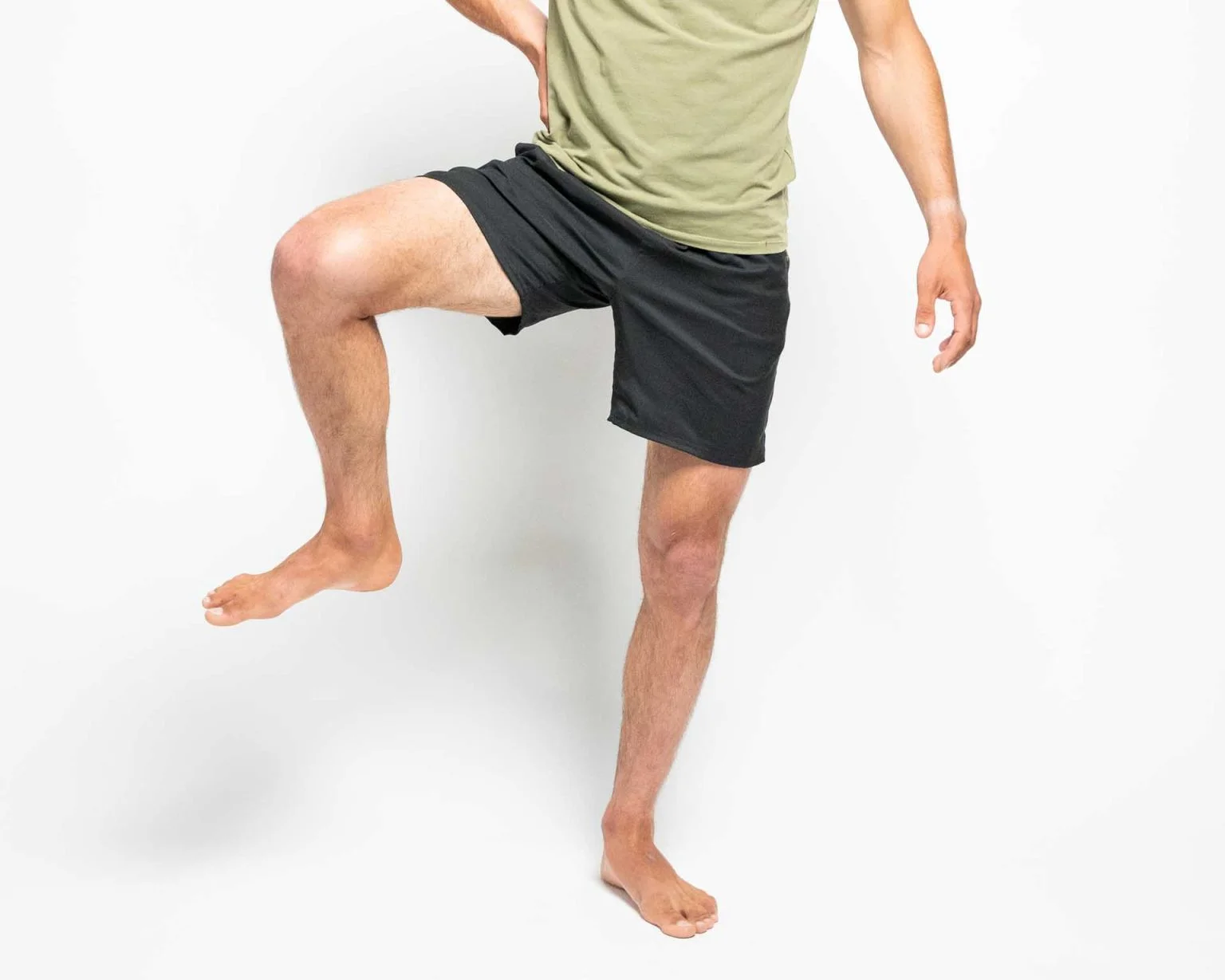
Targeted exercises can help improve stability and reduce the risk of falls, particularly in older adults.
Is Exercise
Right for You?
Exercise benefits people of all ages and fitness levels, whether for injury recovery or general health improvement. It provides a path to better physical and mental well-being through regular movement.
Success in an exercise program requires a commitment to consistent physical activity and full engagement with the program. This dedication enables individuals to achieve the best possible results.
A consultation with our team is recommended before starting, ensuring that the program aligns with your health needs and is both safe and effective.
Exercise therapy FAQ
Sessions typically last between 30 to 60 minutes, depending on the program and individual needs.
Exercise therapy: technique, benefits, steps, risks, and recovery
Exercise plans are adapted to diagnosis, baseline fitness, and safety considerations. Your clinician will advise on safe progressions, load limits, and any red flags that need medical review.
Technique (how it works)
Exercise increases tissue capacity and improves nervous system tolerance through graded exposure. Strength, mobility, and conditioning are progressed over time using measurable targets and a flare‑up plan.
Medical benefits
- Improved strength, balance, and endurance for daily activities.
- Reduced flare frequency through pacing and better load tolerance.
- Improved confidence with movement and return to valued activities.
- Supports recovery after procedures by restoring capacity safely.
Procedural steps
- Assessment of baseline capacity, symptoms, and functional goals.
- Selection of starting exercises and safe intensity range.
- Progression rules based on symptoms and performance measures.
- Education on pacing, rest, sleep, and recovery habits.
- Review and progression as capacity improves.
Risks and complications
- Temporary pain flare or muscle soreness after new loads.
- Overuse injury if intensity increases too quickly.
- Dizziness or cardiovascular symptoms in susceptible patients (requires screening).
- Delayed progress if programmes are inconsistent or poorly matched to diagnosis.
Preparation and aftercare
- Wear comfortable clothing and supportive footwear when relevant.
- Bring a medication list and note any heart, breathing, or balance concerns.
- Follow the plan consistently and progress only as advised.
- Seek medical review for new neurological symptoms, chest pain, or fainting.
Recovery timeline
Early gains in confidence and movement often appear within weeks. Strength and conditioning improvements typically build over weeks to months with progressive loading and consistent practice.

Non-Invasive Treatments
Comprehensive therapies and conservative care plans without breaking the skin.
Pharmacological Pain Management
Pain causing disability and psychosocial issues is diagnosed through anamnesis and physical exams. Treatment usually involves medication for pain from tissue damage, inflammation, or nerve disorders.
Learn morePhysiotherapy
Physiotherapy restores movement and function with personalized exercises and techniques. It improves physical function, aids recovery, and helps prevent future issues through customized programs.
Learn moreOsteopathy
By moving, stretching and massaging a patient's muscles and joints, osteopathy can treat and prevent musculoskeletal diseases. Our certified team will provide the best techniques targeted for you.
Learn moreOccupational Therapy
The goal of the therapy is to develop, recover, or maintain the meaningful activities of the patient. In this context we have a specialized team with personalized techniques in order to provide you the best care.
Learn moreSpeech Therapy
This therapy focuses on the assessment and treatment of communication, speech or swallowing disorders. For that reason, we have with us a certified team that will help you to prevent, evaluate and treat these wide range of pathologies.
Learn morePsychology
Psychology is the scientific study of the mind and behavior and includes many sub-fields. Our certified team, as in any other consultation, reserves the right to confidentiality and is ready to help you improve your mental health.
Learn moreNutrition
Our clinic offers expert nutritional consultations to optimize your physical performance. Our experienced team provides advice on healthy eating, weight loss, child and adolescent nutrition, pregnancy, food intolerances, and more.
Learn moreExercise
Our team offers personalized exercise programs to speed recovery, reduce pain, and build patient confidence. A good rehabilitation program also benefits mental health, motivation, and overall lifestyle. With one-on-one guidance, we aim for better results in less time.
Learn morePodology
Feet house a quarter of the body's bones and support its weight. Podology treats foot and nail conditions, including care for diabetic patients. Our podiatrists offer advanced pedicuring and foot care services.
Learn moreHome Care
We provide home care services that promote the independent living that suits you. Your bespoke care plan will reflect your exact needs to ensure that your support is focused entirely around you.
Learn more