Treatment
Botulin toxin injection
Targeted botulin toxin injections can relax overactive muscles and ease spasticity.
Understanding Botulin
Toxin Injections
Botulin toxin injections are widely used for medical and therapeutic purposes, particularly to reduce muscle stiffness, relieve pain, and manage certain neurological conditions. The injection works by temporarily blocking nerve signals that cause muscles to contract, providing relaxation and reducing discomfort.
Botulin toxin has been extensively researched and is proven to help manage symptoms in conditions like spasticity and chronic pain syndromes. Effects often last for several months, and pairing treatment with rehabilitation can maximise functional gains.
Here is how the procedure is done:
What to Expect From the Procedure
After the injection, patients may experience mild discomfort, similar to a pinch or slight soreness around the injection site. Here’s what to expect during recovery:

Initial Mild Discomfort
Soreness or mild bruising at the injection site may occur but should fade within a few days.
Gradual Relief
The effects of botulin toxin typically become noticeable within a few days, reaching full effectiveness within two weeks.
Temporary Weakness
Some patients experience mild, temporary muscle weakness in the injected area, which typically resolves as the muscles adapt.
Long-Lasting Effects
Relief can last between 3–6 months, depending on the condition and individual response.
Benefits of Botulin Toxin Injections
This procedure offers several advantages over more conservative methods, including:
Pain Relief
Botulin toxin can reduce muscle-related pain by relaxing tense muscles and blocking pain signals.
Enhanced Mobility
By reducing muscle spasticity, patients often experience improved range of motion and greater ease of movement.
Non‑Surgical Approach
This minimally invasive treatment provides relief without the need for surgery, often leading to quicker recovery.
Long‑Lasting Effects
Patients may benefit from months of symptom relief, reducing the need for frequent treatments.
Effective for Various Conditions
Botulin toxin injections treat multiple issues, from chronic pain to spasticity and muscle-related discomfort.
Conditions Treated with Botulin
Toxin Injections
Spasticity
This condition involves involuntary muscle stiffness, common in neurological disorders. Botulin toxin helps reduce spasticity, improving function and comfort.

Chronic Migraine
For individuals with chronic migraines, botulin toxin can reduce frequency and severity by blocking pain signals.

Dystonia
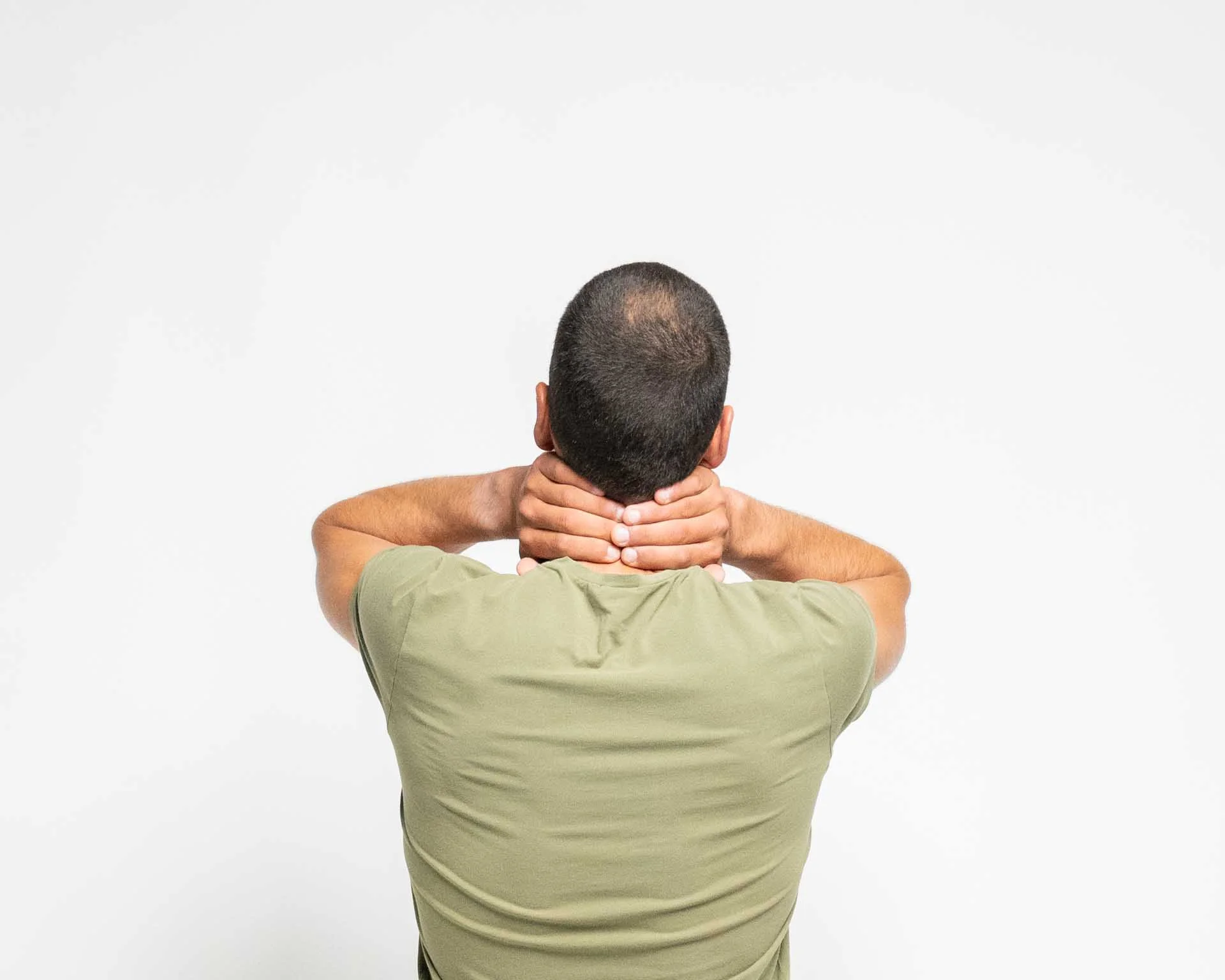
This movement disorder causes uncontrollable muscle contractions. Botulin toxin injection helps relax these muscles, easing discomfort and improving quality of life.
Overactive Bladder
For patients with spastic bladder conditions, botulin toxin reduces urgency and frequency by relaxing bladder muscles.

Botulin Toxin Injection FAQ
Most patients experience relief lasting 3–6 months. Your clinician can suggest an appropriate schedule for repeat treatments based on your goals and response.
Botulinum toxin injection: technique, benefits, steps, risks, and recovery
Botulinum toxin dosing and targeting are individualised. Your clinician will confirm suitability, discuss expected effects, and coordinate rehabilitation to support functional goals.
Technique (how it works)
Botulinum toxin reduces muscle contraction by temporarily blocking nerve signalling at the neuromuscular junction. The injection is placed into selected muscles, often with ultrasound guidance for precision.
Medical benefits
- Can reduce spasticity and painful muscle overactivity.
- May improve mobility, posture, hygiene, or joint range of motion depending on goals.
- Often supports rehabilitation by enabling more effective stretching and strengthening.
- Targeted treatment with dosing tailored to the individual.
Procedural steps
- Assessment to identify target muscles and define measurable goals.
- Skin preparation and positioning.
- Ultrasound guidance and injection into selected muscles.
- Aftercare instructions and rehabilitation plan coordination.
- Follow‑up to assess effect and adjust future dosing if needed.
Risks and complications
- Local soreness, bruising, or mild weakness in the injected muscle.
- Temporary functional change (for example, reduced grip strength) depending on target.
- Infection or bleeding (uncommon).
- Rare unwanted spread of effect; your clinician reviews warning signs and precautions.
Preparation and aftercare
- Bring medication list; discuss blood thinners and neuromuscular conditions.
- Continue planned physiotherapy to take advantage of tone reduction.
- Monitor for unexpected swallowing or breathing difficulty and seek urgent care if it occurs.
- Track functional goals (walking distance, ease of movement) to evaluate benefit.
Recovery timeline
Most people resume normal activities the same day. Effects typically begin within days and peak over the first few weeks, then gradually wear off over months. Rehabilitation during this period often shapes the overall benefit.
Minimally
Invasive Treatments
State-of-the-art techniques requiring only small incisions, reducing recovery time and discomfort.
Vertebroplasty
Vertebroplasty treats spinal fractures by injecting bone cement to stabilize the vertebra. This minimally invasive procedure reduces pain and improves mobility, especially for compression fractures in osteoporosis patients.
Learn moreRadiofrequency
Radiofrequency ablation is a minimally invasive procedure guided by ultrasound or fluoroscopy that uses an electric current to heat and disable nerve tissue, preventing it from sending pain signals.
Learn moreInterspinous Spacers
Interspinous spacers are small implants that relieve spinal nerve pressure, effectively treating lower back pain and stenosis. This minimally invasive procedure offers faster recovery and is typically done in under an hour.
Learn morePeripheral Nerve Block
This minimally invasive procedure, guided by ultrasound or fluoroscopy, injects a local anesthetic to block nerve signals. Adding corticosteroids extends its effect, useful for acute or subacute musculoskeletal conditions.
Learn moreIntra-articular Corticosteroids Injection
Corticosteroids, injected with ultrasound guidance, reduce pain and inflammation in inflammatory arthritis and musculoskeletal conditions. This precise, minimally invasive procedure avoids systemic effects.
Learn moreCalcification Barbotage
Calcific tendinitis, caused by calcium deposits in tendons, is treated with ultrasound-guided barbotage. This procedure removes the deposits and is followed by a corticosteroid injection to reduce inflammation.
Learn moreCryoablation
Cryoablation uses cold temperatures and is a minimally invasive procedure guided by ultrasound or fluoroscopy. The indications vary and include treatment of chronic low back pain, others spine pain and osteoarthritic joints with severe pain and non-controlled by medication.
Learn moreNucleoplasty
Nucleoplasty is a fluoroscopy-guided procedure that treats disc herniation by relieving pressure on the disc and nerves. It takes less than an hour and is performed on an outpatient basis.
Learn morePlatelets Rich Plasma Injection
PRP therapy extracts a platelet-rich portion of a patient's blood and injects it into damaged tissues to promote healing. Typically, three injections are given 1-2 weeks apart for conditions like osteoarthritis, tennis elbow, and muscle tears.
Learn moreHydrodistention
Hydrodistention is mainly used for shoulder conditions, but it can also help with joint pain. By injecting fluid into the joint, it can reduce pain and improve mobility, offering relief in cases of joint stiffness or inflammation.
Learn moreBotulin Toxin Injection
Botulinum toxin blocks acetylcholine release, relaxing overactive muscles when injected, ideally under ultrasound. It treats spasticity, contractures, overuse tendinosis, and can benefit knee osteoarthritis and migraines.
Learn more