Treatment
Pharmacological pain management
Tailored medication plans help balance pain relief with safety and side effects.

What patients can expect
Pharmacological pain management is a structured way of using medicines to reduce symptoms, improve sleep, and support daily function while minimising side effects. It is usually most effective when paired with rehabilitation, lifestyle strategies, and a clear plan for monitoring benefit.
Your clinician reviews your pain pattern, medical history, current medicines (including supplements), and goals. The focus is on choosing the safest option for your situation, defining a trial period, and deciding how success will be measured (for example walking time, sleep, or work tolerance).
Follow-up is an essential part of good medication care. Plans often change over time as symptoms improve, side effects appear, or other treatments (physiotherapy or procedures) are introduced.
Understanding
Pharmacological Pain
Management
Pharmacological pain management is a safe, non‑invasive approach that uses medication to help relieve different types of pain without surgery.
Plans are individualised. The goal is to relieve pain effectively by addressing its likely mechanism while balancing safety, interactions, and side effects.
This approach can be particularly valuable for people who need ongoing relief but wish to avoid surgical procedures or more invasive options.
Here is what this process looks like:
What to Expect After
Implementation
Here's a breakdown of what you can expect:
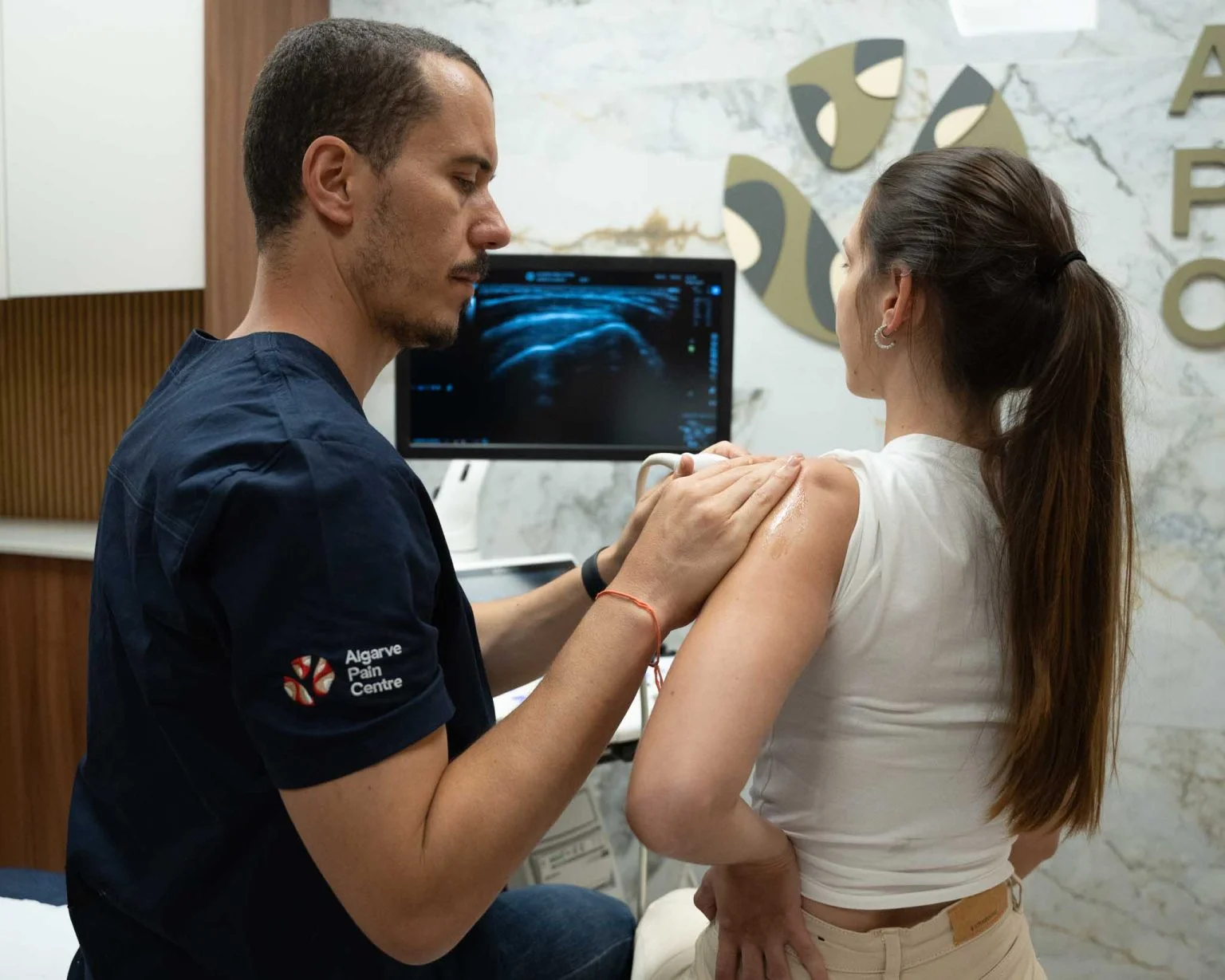
Pain Relief
Many people begin to notice pain reduction within days to weeks, depending on the medication and individual response.
Minimal Side Effects
Plans are designed to minimise potential side effects. If they occur, they are usually mild and addressed with dose adjustments or medication changes.
Lifestyle Adjustments
Complementary lifestyle strategies such as activity pacing, sleep routines, and rehabilitation can improve the overall effectiveness of your plan.
Benefits of Pharmacological Pain Management
Pharmacological pain management can significantly improve quality of life for people living with chronic pain. Some of the main benefits include:
Non–Invasive Relief
Unlike surgical treatments, medication plans provide pain relief without breaking the skin or requiring recovery time.
Enhanced Functionality
Pain relief can improve mobility and physical function, enabling people to resume daily activities more comfortably.
Emotional & Mental Relief
Effective pain management can reduce stress, anxiety, and low mood related to persistent symptoms, improving wellbeing.
Conditions Treated with
Pharmacological Pain Management
Arthritis
Medication can help reduce pain and inflammation and support movement while you progress rehabilitation and lifestyle strategies.
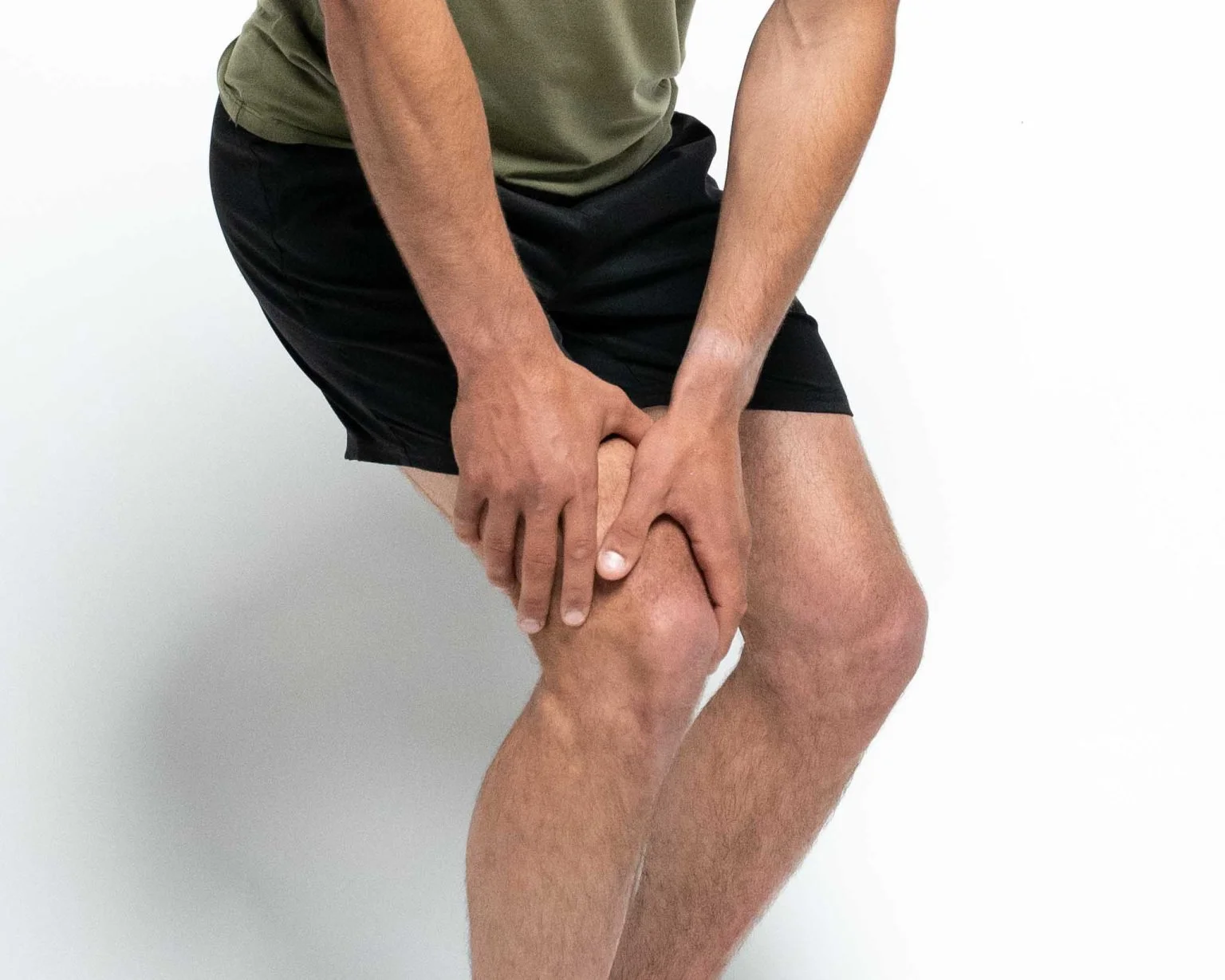
Neuropathic pain
Certain medicines can help calm nerve‑related pain patterns and improve tolerance for daily activity and sleep.

Fibromyalgia
A tailored plan can target widespread pain and sensitivity while supporting graded activity and sleep routines.

Migraines & Headaches
Preventive or acute medicines may reduce attack frequency and intensity when matched to your migraine pattern.

Is Pharmacological
Pain Management
Right for You?
This approach may be suitable for people experiencing chronic pain that affects daily life and who prefer a non‑invasive option for relief.
People with certain medical conditions, such as liver or kidney disease, may need alternative strategies. A thorough review with your clinician helps determine the safest path forward.
Pharmacological pain management is a flexible option that can be adapted for long‑term use when appropriate, especially for people who require ongoing symptom control.
Pharmacological Pain Management FAQ
Timing varies by diagnosis and medication type. Some people notice changes within days, while others may need a few weeks to assess benefit. Your clinician will define a review timeframe based on the medicine chosen and your goals.
Pharmacological pain management: technique, benefits, steps, risks, and recovery
Medicine plans are individualised. Your clinician will explain expected benefits, safety monitoring, and how medication fits alongside rehabilitation and self‑management.
Technique (how it works)
A clinician matches medication choice and timing to the likely pain mechanism and your health profile. Plans often involve stepwise trials, dose adjustments, and coordination with physiotherapy or psychological strategies to improve function.
Medical benefits
- Reduced pain interference with daily activities for selected conditions.
- Improved sleep and ability to participate in rehabilitation.
- Better control of flare‑ups with a clear, structured plan.
- Safety improvements through monitoring and interaction checks.
Procedural steps
- Comprehensive review of diagnosis, symptoms, and current medicines.
- Risk assessment (interactions, sedation risk, dependence risk) and baseline measures.
- Trial plan with dose, duration, and success criteria.
- Monitoring of function and side effects using simple tracking.
- Review and adjustment, including tapering when appropriate.
Risks and complications
- Side effects such as dizziness, constipation, nausea, or drowsiness (medication‑dependent).
- Interactions with other medicines, supplements, or alcohol.
- Dependence or withdrawal risk with some medications if stopped abruptly.
- Reduced alertness affecting driving or work tasks (for sedating medicines).
Preparation and aftercare
- Bring a complete medication and supplement list, including allergies.
- Agree on a simple tracker for symptoms, sleep, and side effects.
- Follow dosing and tapering guidance; do not stop medicines suddenly unless advised.
- Seek urgent help for severe reactions, confusion, breathing difficulty, or chest pain.
Recovery timeline
Medication benefit can be immediate or gradual depending on the drug class. The goal is progressive improvement in function over weeks, guided by follow‑up reviews and integration with rehabilitation.
Non-Invasive Treatments
Comprehensive therapies and conservative care plans without breaking the skin.
Pharmacological Pain Management
Pain causing disability and psychosocial issues is diagnosed through anamnesis and physical exams. Treatment usually involves medication for pain from tissue damage, inflammation, or nerve disorders.
Learn morePhysiotherapy
Physiotherapy restores movement and function with personalized exercises and techniques. It improves physical function, aids recovery, and helps prevent future issues through customized programs.
Learn moreOsteopathy
By moving, stretching and massaging a patient's muscles and joints, osteopathy can treat and prevent musculoskeletal diseases. Our certified team will provide the best techniques targeted for you.
Learn moreOccupational Therapy
The goal of the therapy is to develop, recover, or maintain the meaningful activities of the patient. In this context we have a specialized team with personalized techniques in order to provide you the best care.
Learn moreSpeech Therapy
This therapy focuses on the assessment and treatment of communication, speech or swallowing disorders. For that reason, we have with us a certified team that will help you to prevent, evaluate and treat these wide range of pathologies.
Learn morePsychology
Psychology is the scientific study of the mind and behavior and includes many sub-fields. Our certified team, as in any other consultation, reserves the right to confidentiality and is ready to help you improve your mental health.
Learn moreNutrition
Our clinic offers expert nutritional consultations to optimize your physical performance. Our experienced team provides advice on healthy eating, weight loss, child and adolescent nutrition, pregnancy, food intolerances, and more.
Learn moreExercise
Our team offers personalized exercise programs to speed recovery, reduce pain, and build patient confidence. A good rehabilitation program also benefits mental health, motivation, and overall lifestyle. With one-on-one guidance, we aim for better results in less time.
Learn morePodology
Feet house a quarter of the body's bones and support its weight. Podology treats foot and nail conditions, including care for diabetic patients. Our podiatrists offer advanced pedicuring and foot care services.
Learn moreHome Care
We provide home care services that promote the independent living that suits you. Your bespoke care plan will reflect your exact needs to ensure that your support is focused entirely around you.
Learn more