Treatment
Podology
Specialist foot care reduces pain, improves balance and protects your mobility.
What patients can expect
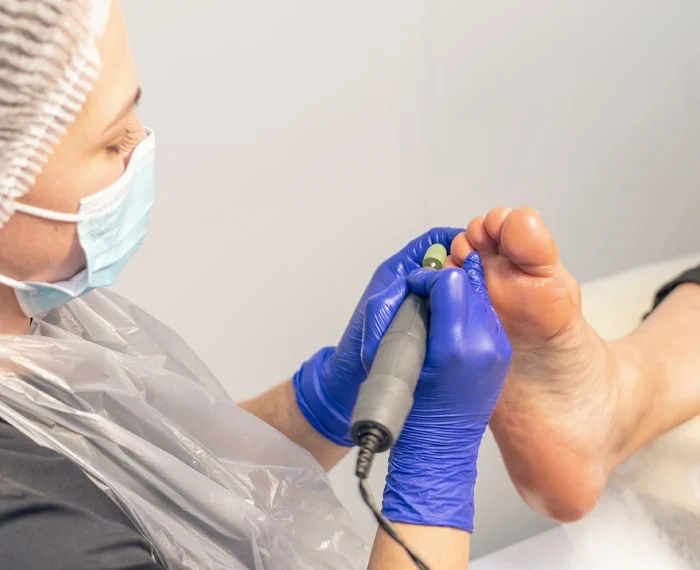
Podology focuses on foot health, gait, and the practical factors that affect pain and balance. Care may include skin and nail management, assessment of walking mechanics, footwear advice, and targeted support for conditions that affect mobility.
Your clinician will review symptoms, medical history (including diabetes or circulation issues), and examine the feet, nails, skin, and footwear. When needed, they coordinate with other clinicians to address nerve pain, joint issues, or balance problems that contribute to foot symptoms.
After the visit, you may have a self‑care plan, footwear or insole recommendations, and a follow‑up schedule. Ongoing foot care can be an important part of staying active and reducing falls risk.
Understanding
Podology
Podology is a specialized field focused on diagnosing and treating conditions affecting the feet, nails, and lower limbs. With a comprehensive understanding of foot biomechanics and the impact of various disorders, podologists work to address everything from structural imbalances to skin and nail issues.
By providing preventive care, podology helps improve overall foot health, maintain mobility, and prevent complications associated with conditions like diabetes.
What this Process Looks Like
What to Expect After Implementation
Improved Comfort
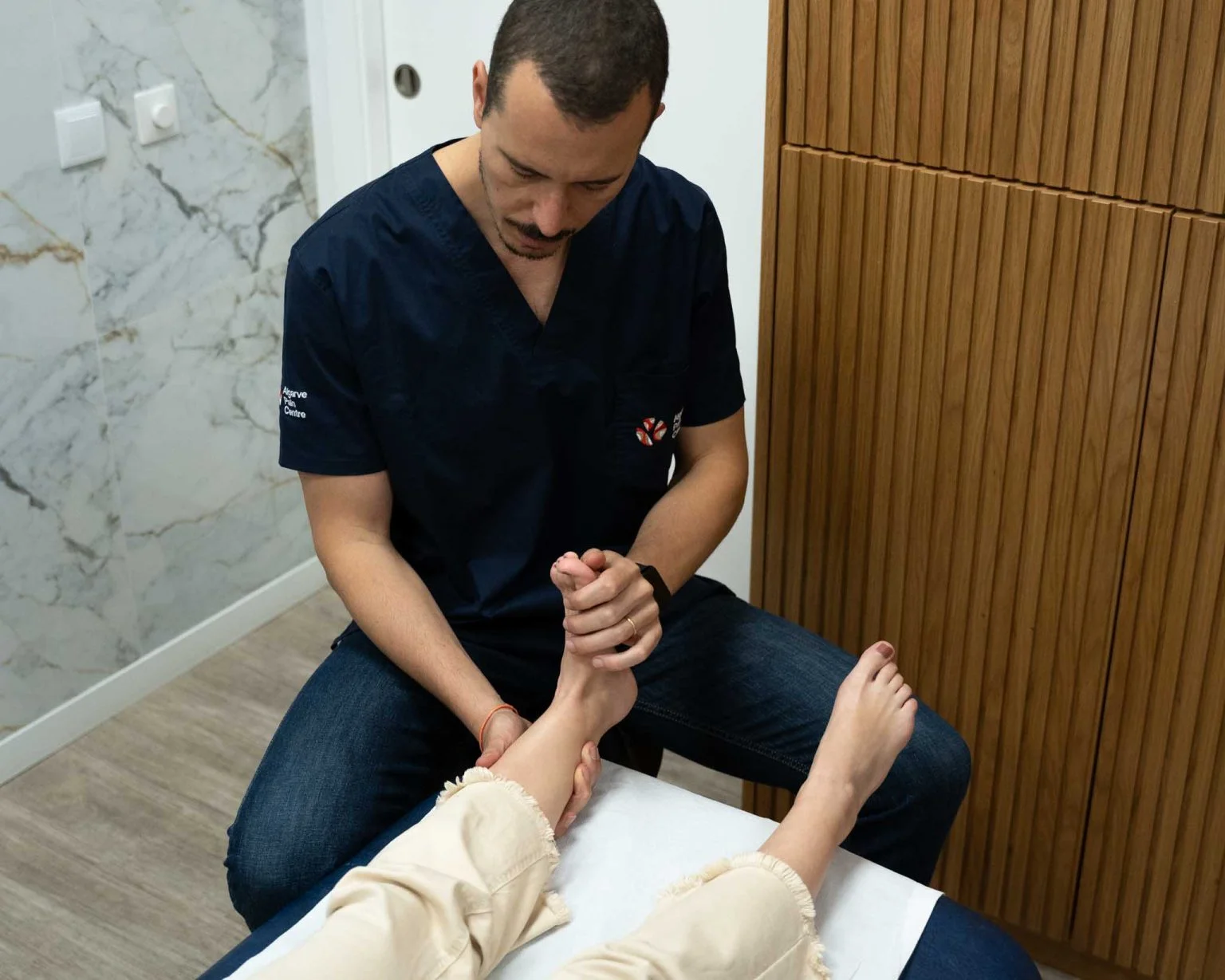
Many patients notice immediate relief from discomfort, especially in cases of nail and skin conditions like corns, calluses, or ingrown toenails.
Enhanced Mobility
Proper foot care often leads to better stability, comfort, and mobility, making daily activities easier and more enjoyable.
Preventive Insights
With personalized guidance, you’ll gain the tools to prevent future issues, reducing the risk of recurring pain or complications.
For patients with chronic conditions like diabetes, podology can significantly reduce the risks associated with poor foot circulation and other complications.
Benefits of Podology
Some of the main benefits include:
Discomfort Relief
Treating issues like calluses, corns, and nail problems can significantly improve foot comfort and mobility.
Pain Management
For diabetic patients and those with circulatory issues, podology helps prevent more severe foot complications.
Foot Health & Appearance
Treatments address both health and aesthetic concerns, helping maintain well-groomed, healthy feet.
Conditions Treated with
Podology
Nail Disorders
Ingrown nails, fungal infections, and nail deformities.
Diabetic Foot
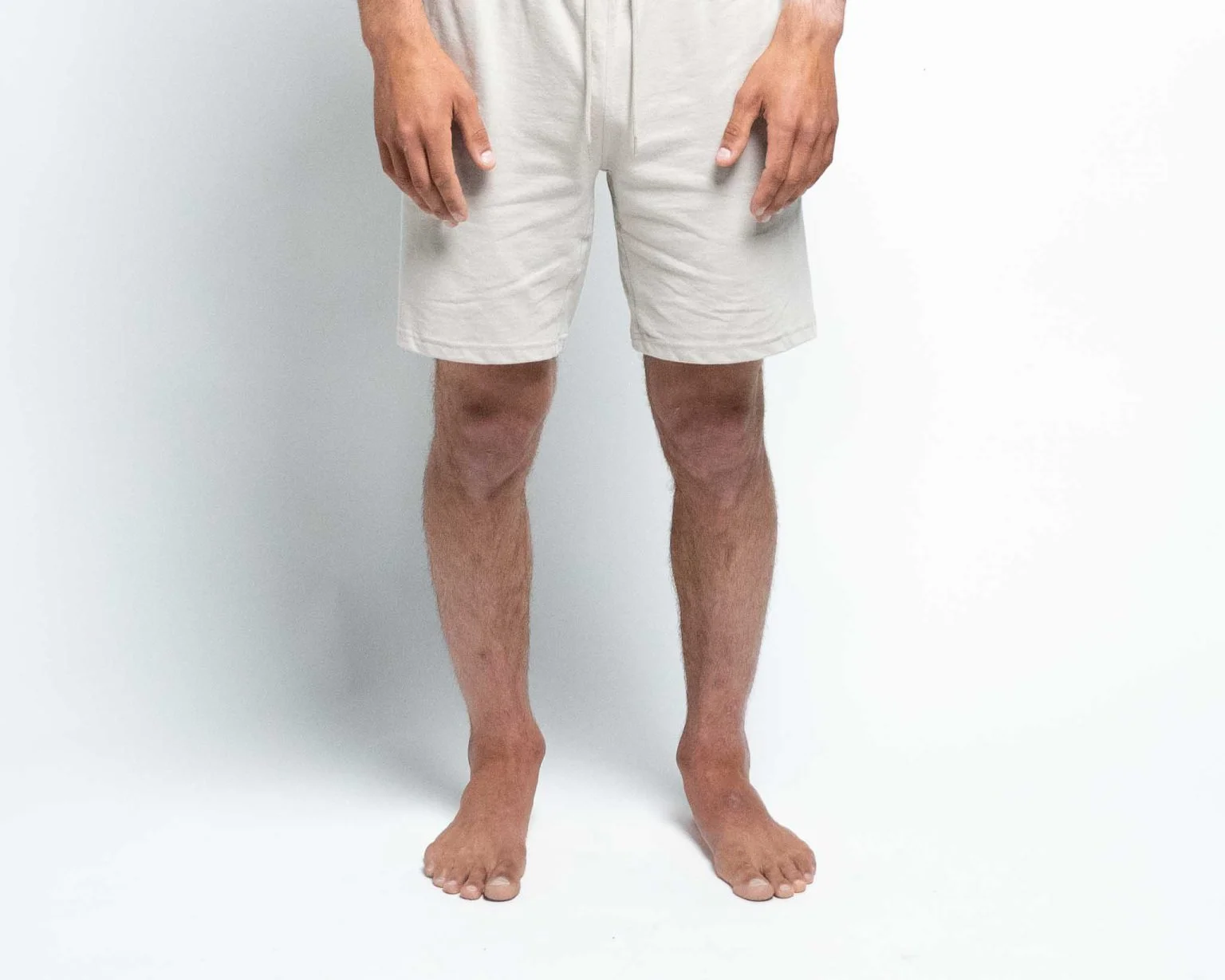
Specialized treatments to prevent and manage foot issues for diabetic patients.
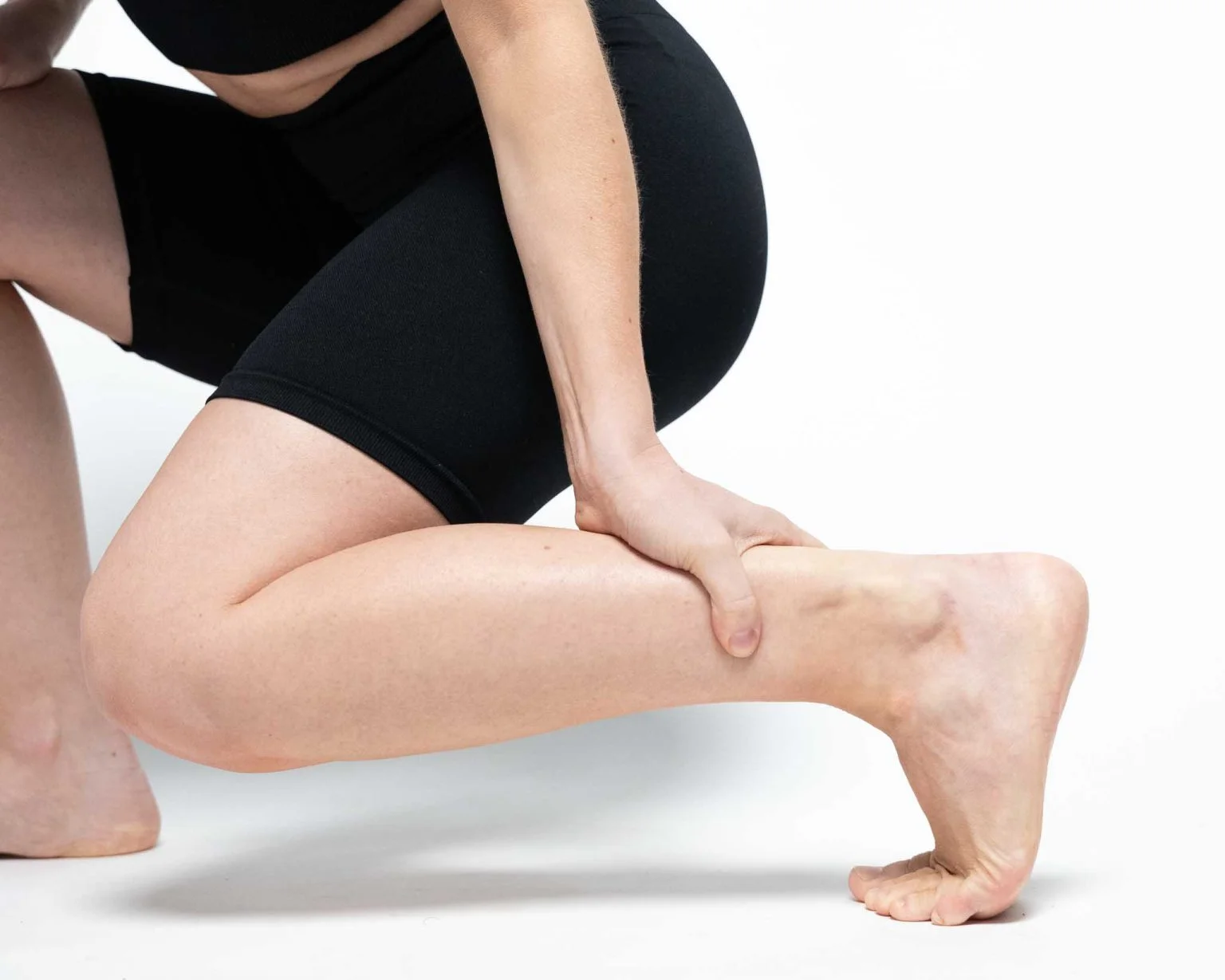
Skin Conditions
Corns, calluses, warts, and dry or cracked skin.
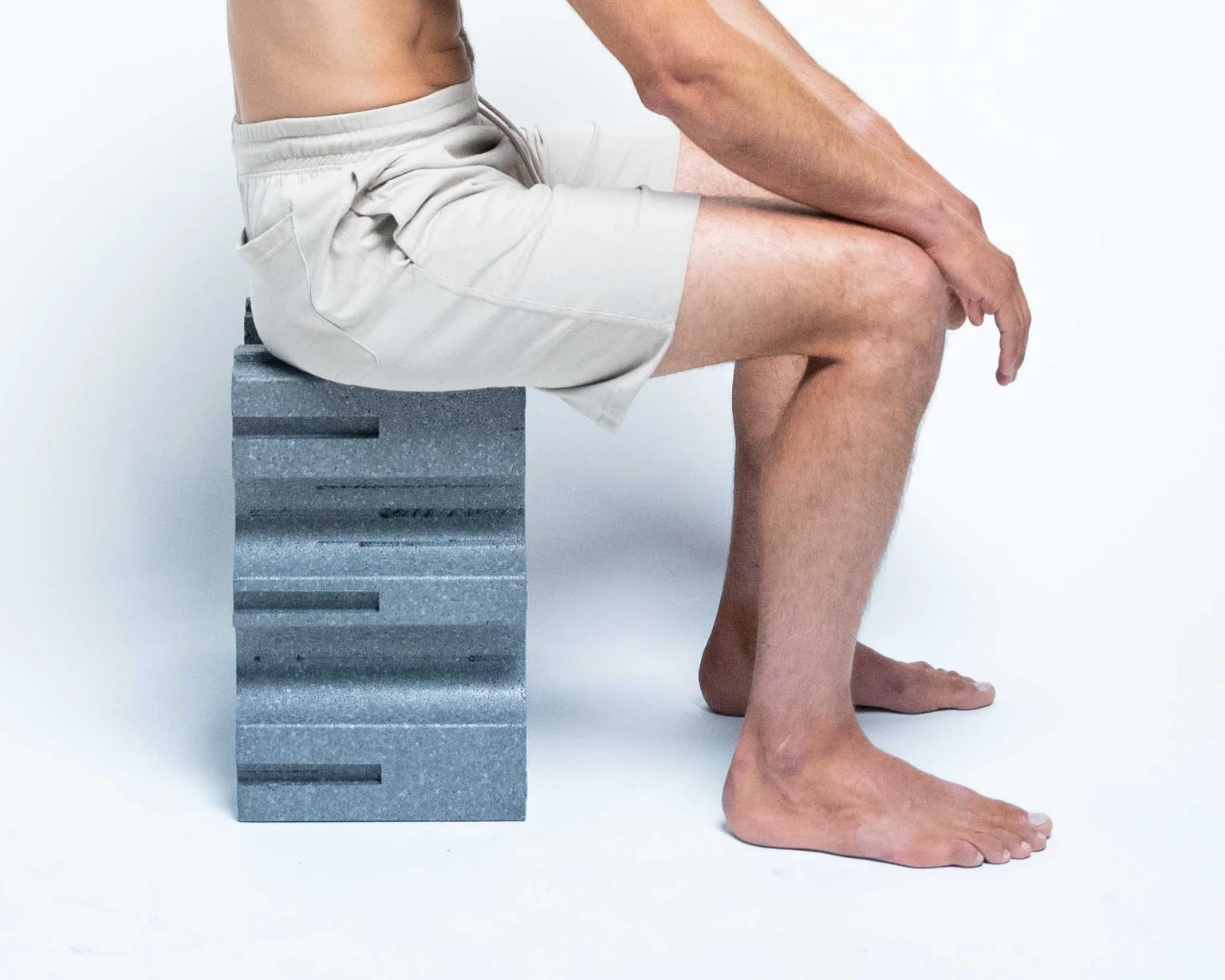
Foot Pain and Discomfort
Conditions affecting gait, including issues with arches, plantar fasciitis, and other foot-related pain.

Is Podology
Right for You?
Podology can help anyone dealing with foot pain, nail disorders, skin issues, or mobility limitations related to foot mechanics. It is especially valuable for people who are on their feet for work, play sport, or have recurring foot problems.
Good outcomes come from addressing the underlying cause (for example footwear, pressure points, or gait patterns) and following the care plan between visits, including hygiene routines and footwear recommendations.
If you have diabetes, reduced sensation, poor circulation, or recurrent infections, early podology assessment is recommended to reduce complications and protect long-term mobility.
Podology FAQ
Sessions typically last between 30 to 60 minutes, depending on the program and individual needs.
Podology: technique, benefits, steps, risks, and recovery
Podology is especially important for people with diabetes, neuropathy, circulation problems, or reduced sensation, where preventive care can protect skin and reduce complications.
Technique (how it works)
Care combines clinical foot assessment with targeted treatment and prevention. This can include nail and skin care, pressure management strategies, footwear guidance, and gait‑related advice to reduce strain and improve comfort.
Medical benefits
- Reduced foot pain and improved comfort with walking.
- Improved nail and skin health, reducing infection risk.
- Prevention of complications in higher‑risk patients (for example diabetes).
- Improved balance and confidence through footwear and gait guidance.
Procedural steps
- History and screening for risk factors (diabetes, neuropathy, circulation issues).
- Foot examination including skin, nails, pressure areas, and sensation checks when relevant.
- Treatment such as nail care, callus management, or targeted advice.
- Footwear guidance and prevention plan.
- Follow‑up schedule for maintenance or progression.
Risks and complications
- Minor bleeding or tenderness after nail or skin care (usually short‑lived).
- Infection risk if wounds occur or aftercare is not followed (uncommon with proper care).
- Delayed healing in people with poor circulation or diabetes.
- Persistent symptoms if footwear and load factors are not addressed.
Preparation and aftercare
- Bring a medication list and relevant medical history, especially diabetes care details.
- Bring your most commonly worn shoes for assessment.
- Follow skin and nail care instructions and inspect feet regularly if sensation is reduced.
- Seek prompt review for redness, swelling, increasing pain, or non‑healing wounds.
Recovery timeline
Many treatments improve comfort immediately. Longer‑term results depend on prevention strategies and footwear changes, with ongoing follow‑up for higher‑risk patients.

Non-Invasive Treatments
Comprehensive therapies and conservative care plans without breaking the skin.
Pharmacological Pain Management
Pain causing disability and psychosocial issues is diagnosed through anamnesis and physical exams. Treatment usually involves medication for pain from tissue damage, inflammation, or nerve disorders.
Learn morePhysiotherapy
Physiotherapy restores movement and function with personalized exercises and techniques. It improves physical function, aids recovery, and helps prevent future issues through customized programs.
Learn moreOsteopathy
By moving, stretching and massaging a patient's muscles and joints, osteopathy can treat and prevent musculoskeletal diseases. Our certified team will provide the best techniques targeted for you.
Learn moreOccupational Therapy
The goal of the therapy is to develop, recover, or maintain the meaningful activities of the patient. In this context we have a specialized team with personalized techniques in order to provide you the best care.
Learn moreSpeech Therapy
This therapy focuses on the assessment and treatment of communication, speech or swallowing disorders. For that reason, we have with us a certified team that will help you to prevent, evaluate and treat these wide range of pathologies.
Learn morePsychology
Psychology is the scientific study of the mind and behavior and includes many sub-fields. Our certified team, as in any other consultation, reserves the right to confidentiality and is ready to help you improve your mental health.
Learn moreNutrition
Our clinic offers expert nutritional consultations to optimize your physical performance. Our experienced team provides advice on healthy eating, weight loss, child and adolescent nutrition, pregnancy, food intolerances, and more.
Learn moreExercise
Our team offers personalized exercise programs to speed recovery, reduce pain, and build patient confidence. A good rehabilitation program also benefits mental health, motivation, and overall lifestyle. With one-on-one guidance, we aim for better results in less time.
Learn morePodology
Feet house a quarter of the body's bones and support its weight. Podology treats foot and nail conditions, including care for diabetic patients. Our podiatrists offer advanced pedicuring and foot care services.
Learn moreHome Care
We provide home care services that promote the independent living that suits you. Your bespoke care plan will reflect your exact needs to ensure that your support is focused entirely around you.
Learn more