

Cervical Pain
Understanding the causes, symptoms, and comprehensive treatment options for neck pain.
What is Cervical Pain?
Cervical pain, commonly referred to as neck pain, is a discomfort located in the cervical spine—the area of the spine found in the neck. The cervical spine consists of seven vertebrae (C1-C7) separated by intervertebral discs that allow for movement and shock absorption.
While often associated with poor posture or muscle strain, cervical pain can also be a symptom of underlying conditions affecting the bones, discs, nerves, or soft tissues of the neck.
Common Causes
Several factors can contribute to the development of cervical pain:
- Muscle Strain: Overuse, such as too many hours hunched over a computer or smartphone ("tech neck"), often triggers muscle strains.
- Worn Joints: Just like the other joints in your body, your neck joints tend to wear down with age. Osteoarthritis causes the cushions (cartilage) between your bones (vertebrae) to deteriorate.
- Nerve Compression: Herniated disks or bone spurs in the vertebrae of your neck can press on the nerves branching out from the spinal cord.
- Injuries: Rear-end auto collisions often result in whiplash injury, which occurs when the head is jerked backward and then forward, straining the soft tissues of the neck.
Symptoms
Signs and symptoms of cervical pain include:
- Pain that's often worsened by holding your head in one place for long periods, such as when driving or working at a computer.
- Muscle tightness and spasms.
- Decreased ability to move your head.
- Headache.
- Numbness, tingling, or weakness in the arm or hand (radiculopathy).
Posture Correction
Maintaining good posture can significantly reduce cervical pain:
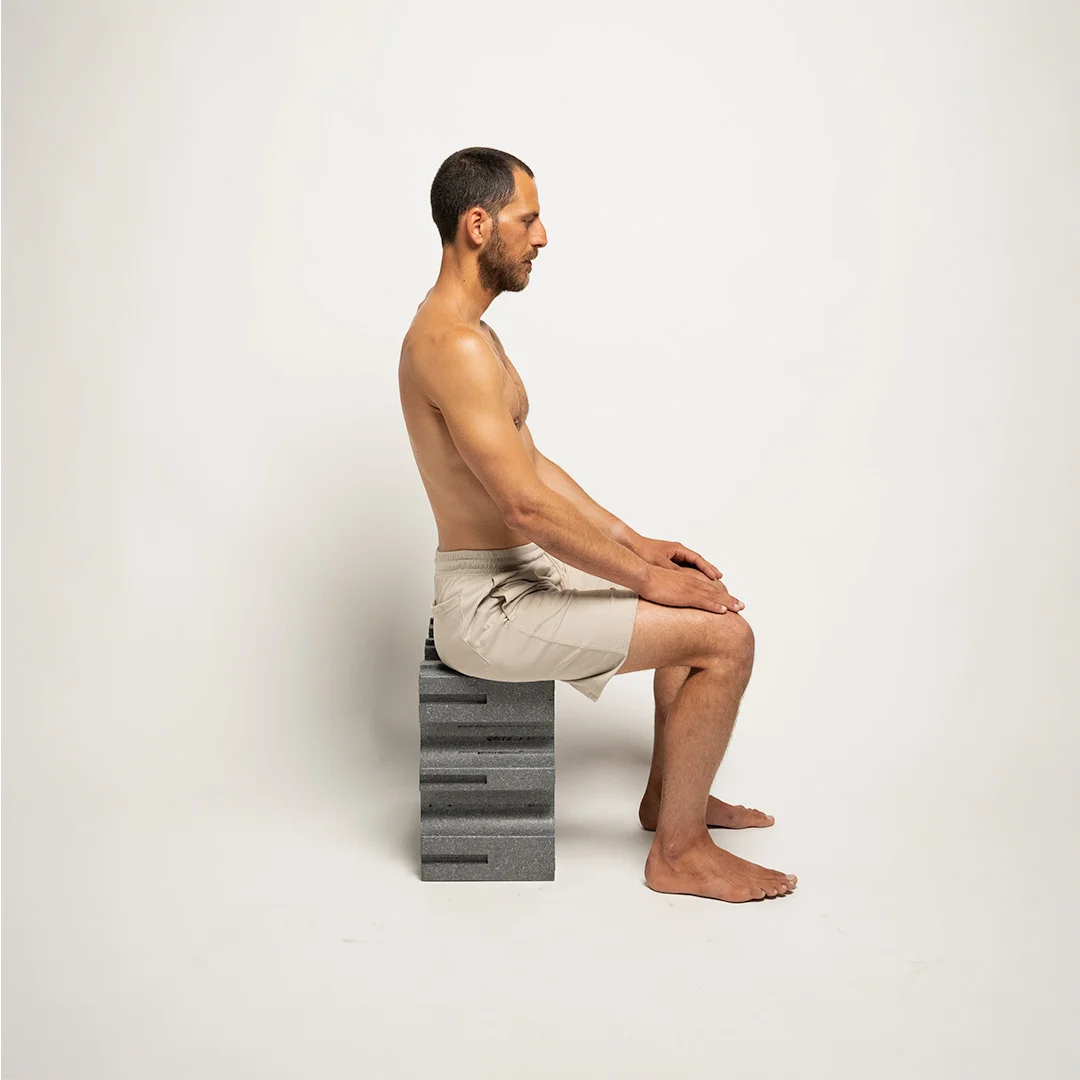
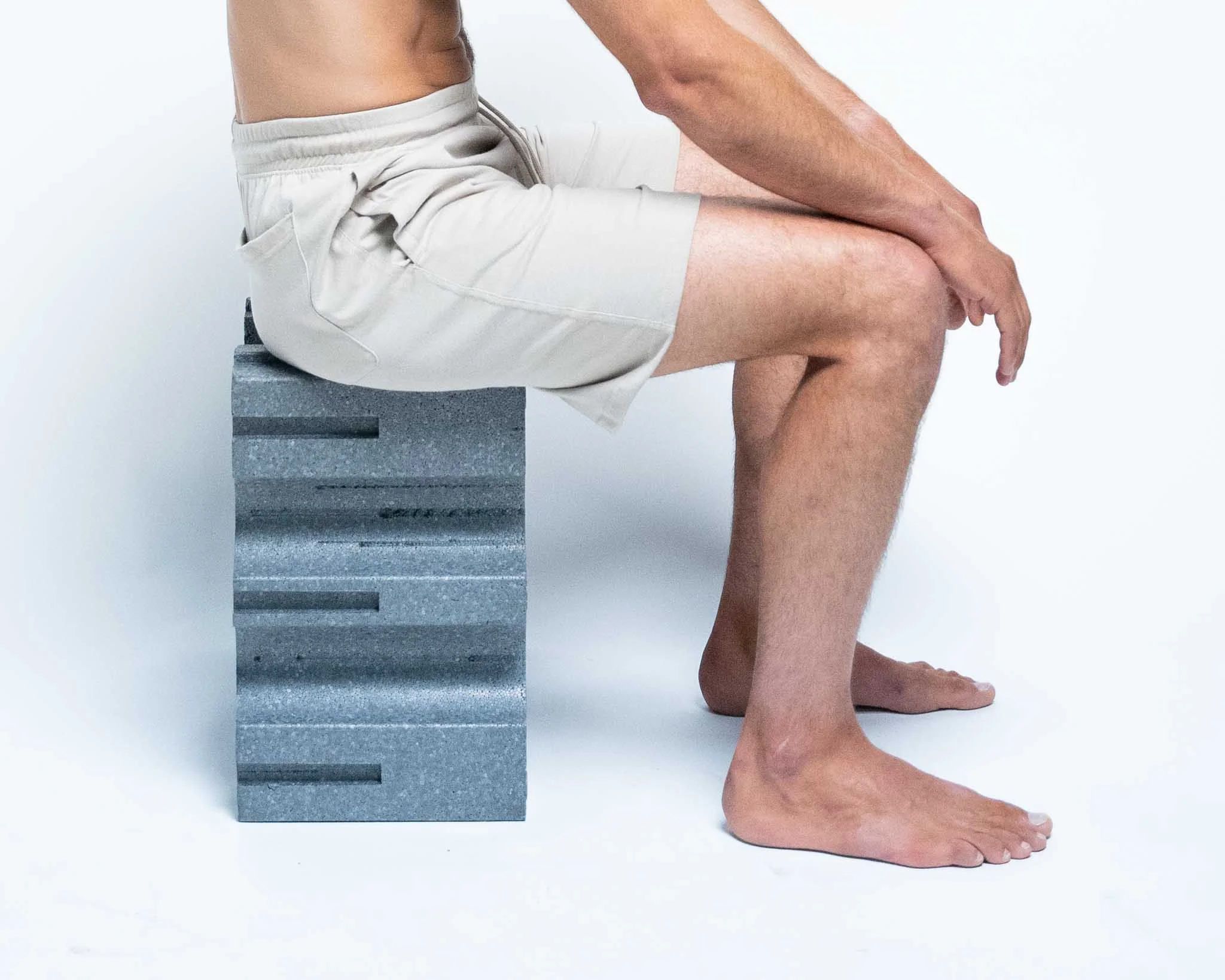
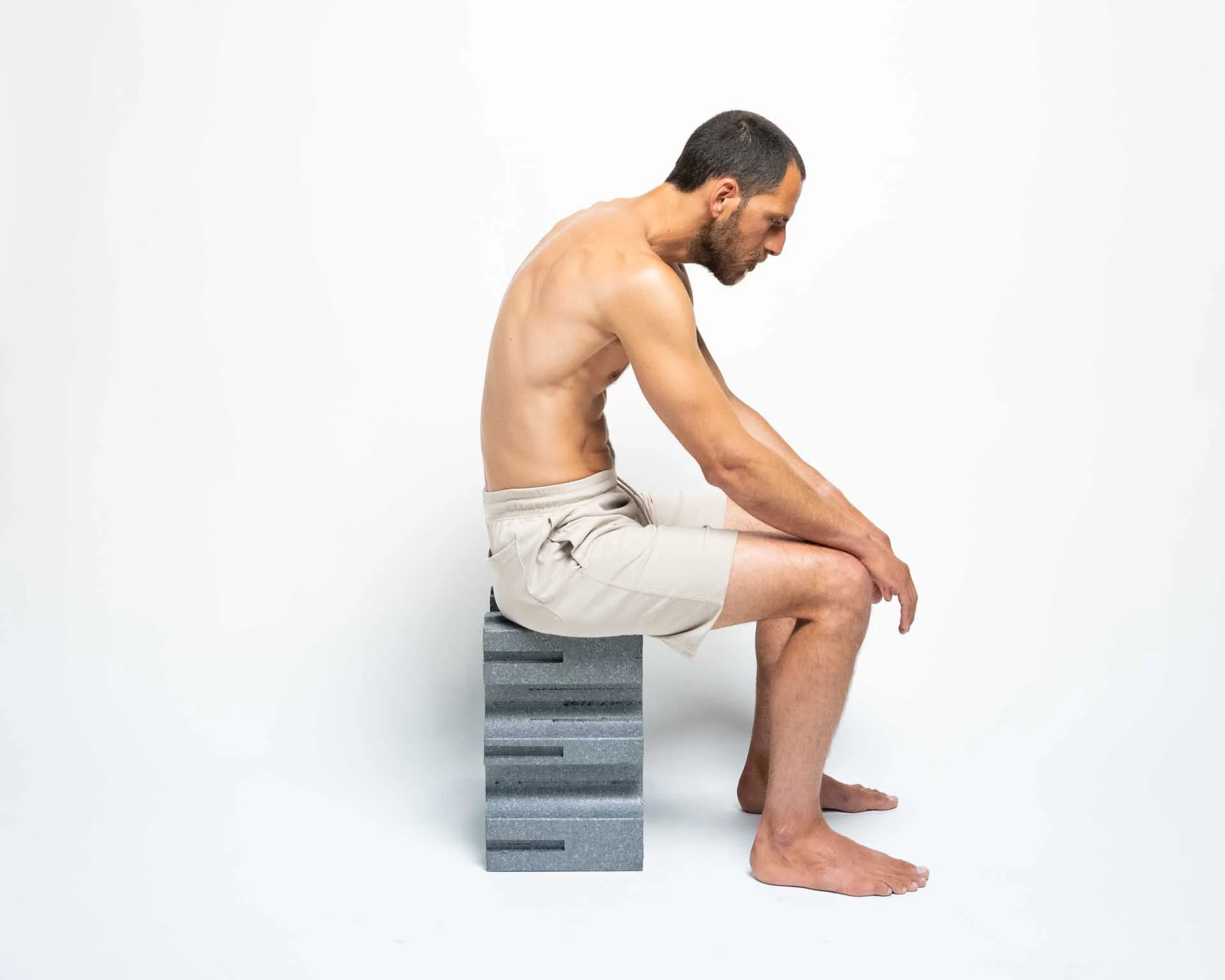
Sitting
Keep your back straight and shoulders back. Ensure your feet are flat on the floor.
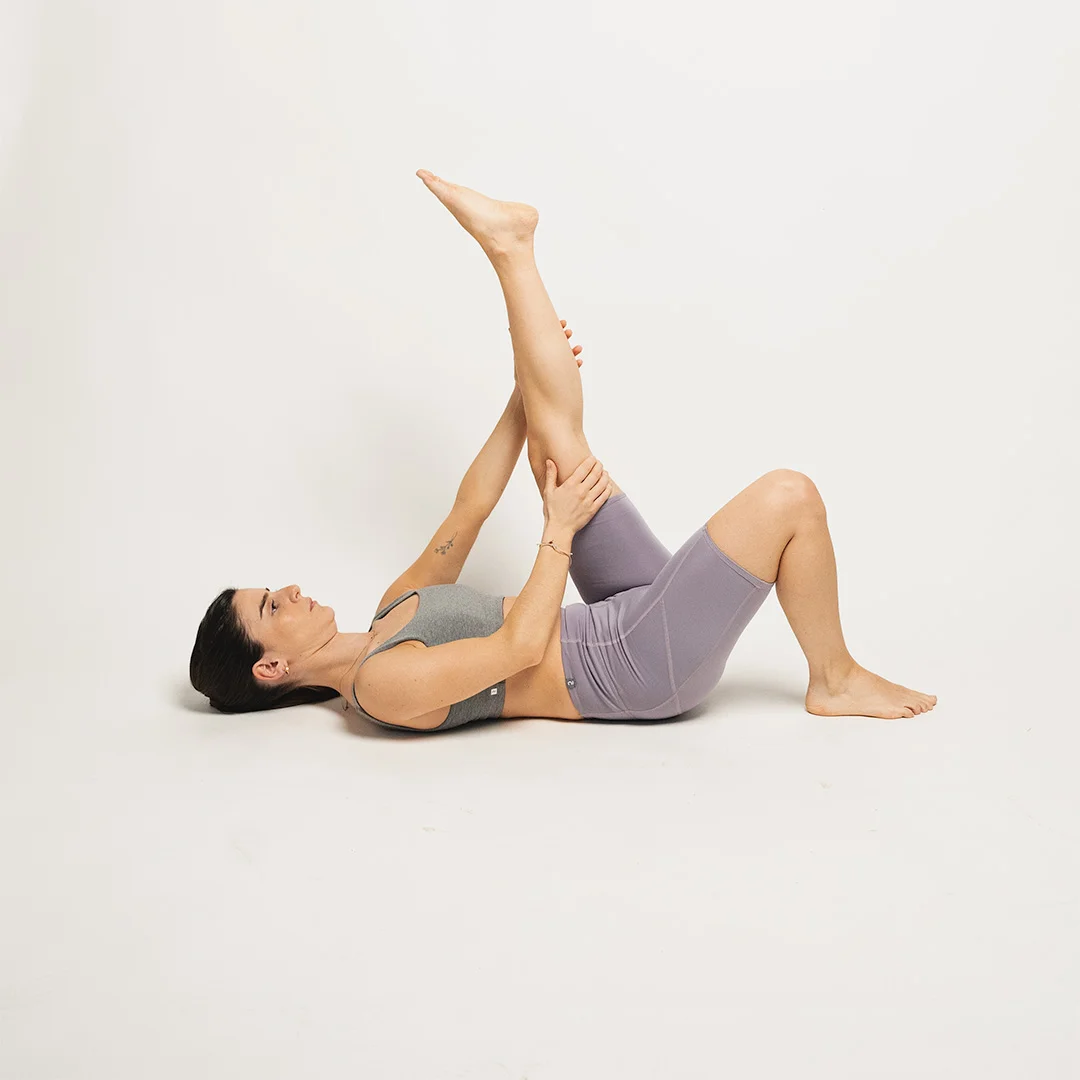
Standing
Distribute your weight evenly on both feet. Avoid slouching.
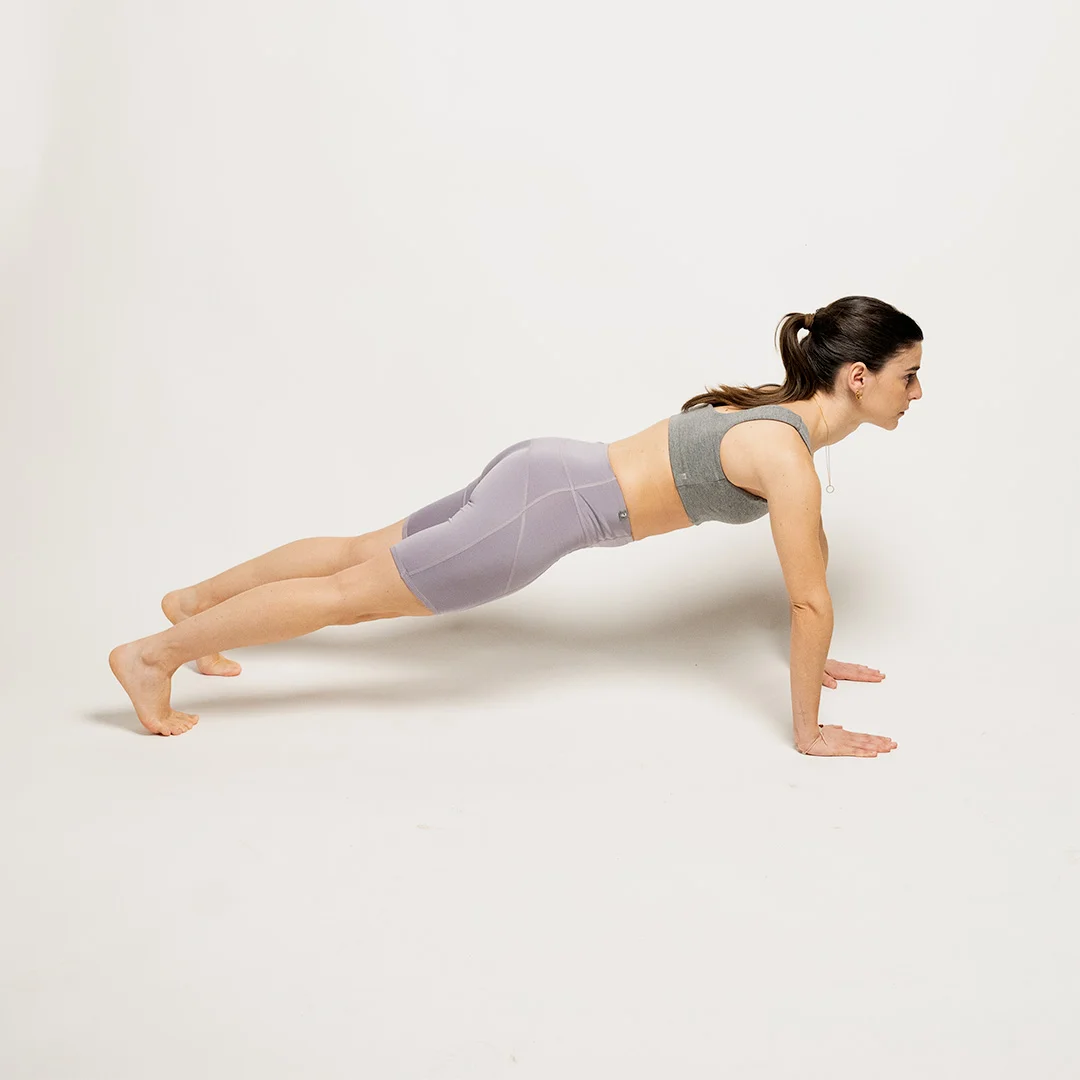
Sleeping
Use a pillow that supports the natural curve of your neck.
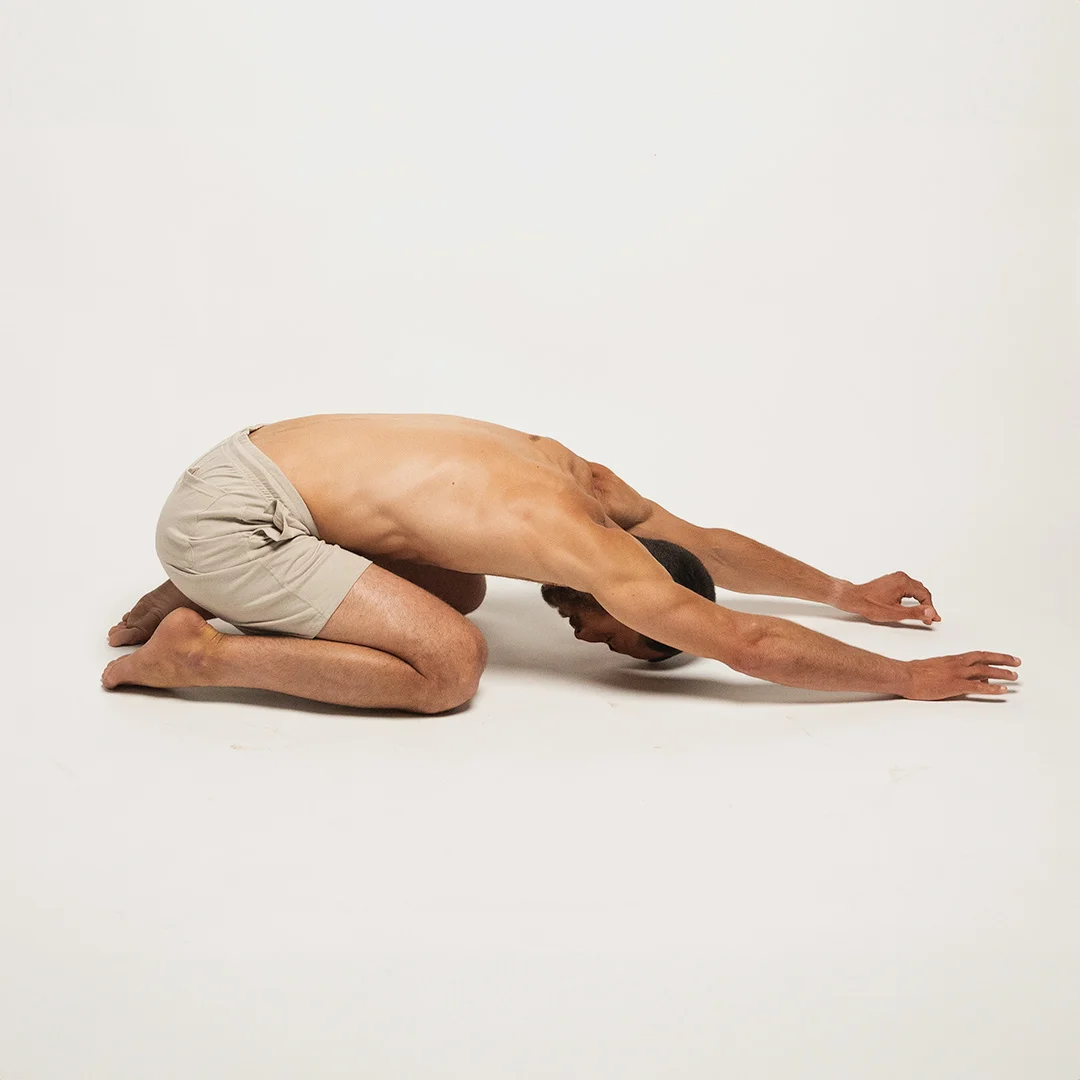
Stretching and Exercising
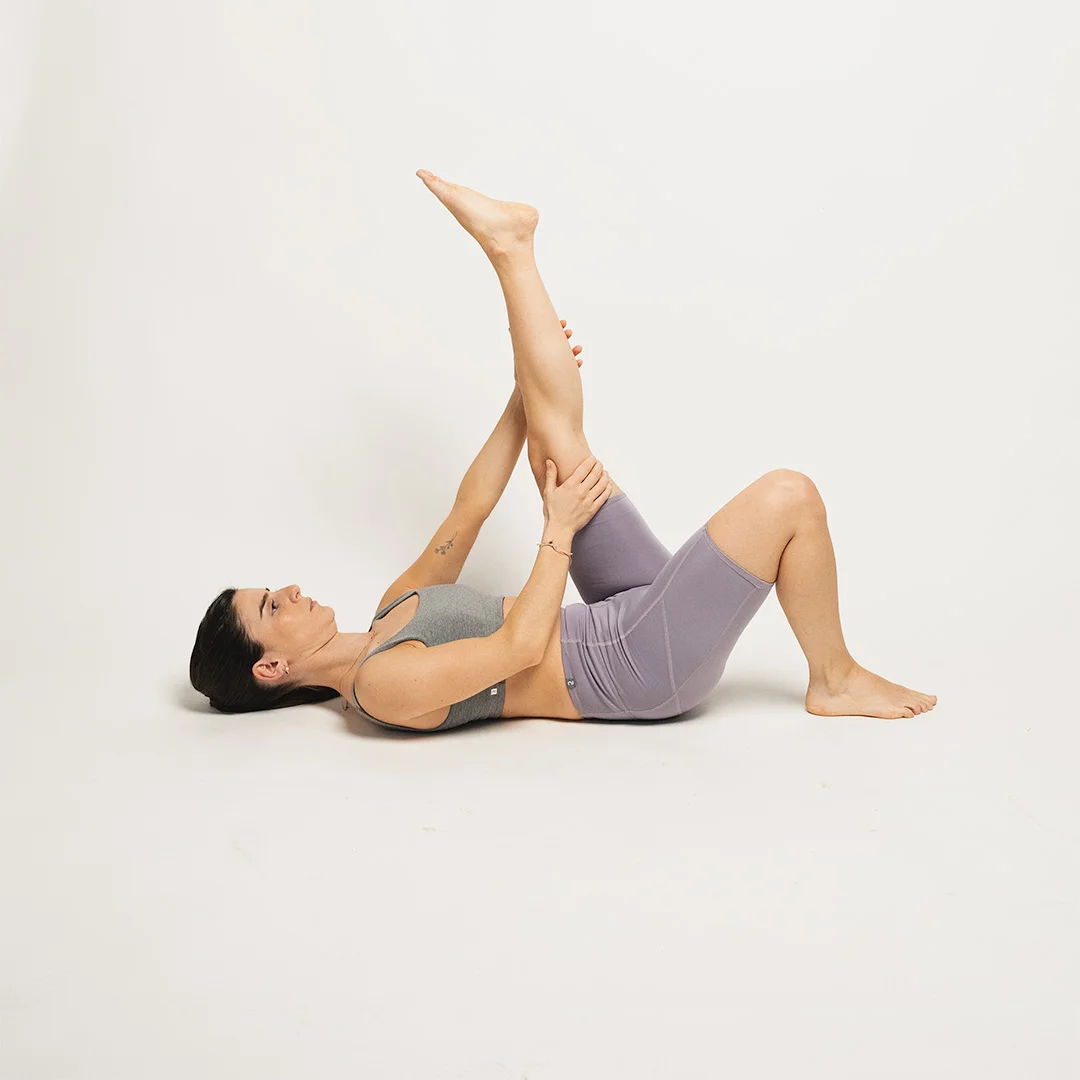
Regularly stretching and strengthening your neck muscles can alleviate pain.

Neck Stretching
Gently tilt your head forward, backward, and side to side to relieve back and neck discomfort.
Strengthening Exercises
Perform chin tucks and shoulder shrugs to build muscle support and reduce upper back cervical pain.
Heat and Ice Therapy
Applying heat or ice can help manage pain and inflammation:
Heat Packs
Use a warm towel or heating pad for 15-20 minutes to relax tight muscles.

Ice Packs
Apply an ice pack wrapped in a cloth for 15-20 minutes to reduce inflammation.
Ergonomics
Creating an ergonomic workspace can prevent neck strain:
Desk Setup
Keep your computer at eye level. Use a chair that supports your lower back.

Frequent Breaks
Take short breaks to stretch and move around.
Myth Busting
Let's debunk some common myths about cervical pain:
Rest is always the best remedy
While rest can help in the short term, too much inactivity can weaken muscles and exacerbate pain.
Only older adults get cervical pain
Cervical pain can affect people of all ages, especially with the rise of "tech neck" from prolonged device use.
Neck cracking relieves pain permanently
While it may provide temporary relief, habitual neck cracking can strain ligaments and lead to instability over time.