

Performance
Build performance safely: strength, conditioning, recovery, and realistic progression.
On this page
Overview
Performance is best approached as a process: understand your current capacity, apply the right dose of load, and monitor response over time. Whether you are returning after injury or trying to improve performance, the foundations are consistent—sleep, progressive training, recovery planning, and good decision-making when symptoms arise.
Sports medicine and rehabilitation focus on function. Rather than asking only “What is the diagnosis?”, clinicians also ask “What can you safely do now?” and “What needs to change to reduce risk and increase resilience?” This guide outlines practical strategies that align with common evidence-based principles used in clinical and athletic settings.
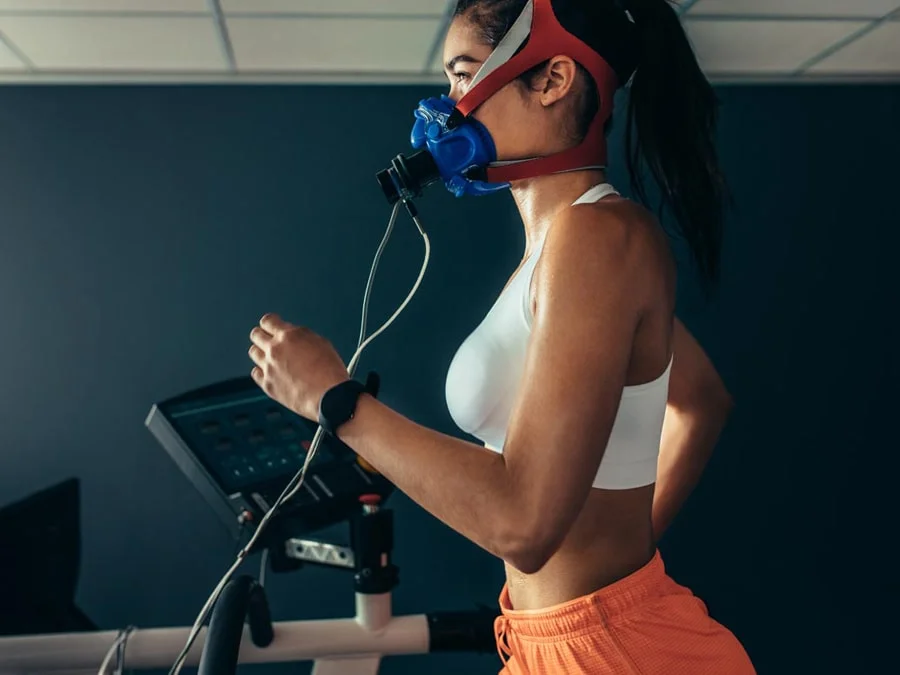
Key principles that drive results
The body adapts to what you repeatedly do. Most setbacks occur when load (intensity, volume, frequency) increases faster than tissues can adapt, or when recovery is insufficient. A simple rule: plan progression, monitor symptoms, and adjust early. This reduces the “all-or-nothing” pattern that often prolongs pain or delays return to sport.
Practical focus areas
- Develop a base: aerobic capacity supports recovery and training tolerance.
- Strength improves force production and reduces load on passive structures.
- Use periodisation: alternate hard and easier weeks to consolidate adaptation.
- Monitor readiness with sleep, mood, and performance markers.
Progress is rarely linear. Minor flare-ups can be part of recovery. The goal is to keep symptoms within a manageable band and maintain confidence. If symptoms repeatedly worsen or you are losing function, an assessment can refine your plan and rule out problems that need different management.
A simple plan you can follow
Start by defining a baseline you can repeat without a significant flare. Then increase one variable at a time (for example, volume before intensity). Track response over 24–48 hours. This approach is used in many return-to-sport pathways and helps you progress without guessing.
- Baseline: choose 2–3 key exercises and a conditioning activity you can tolerate.
- Progress: increase total work by small steps (often 5–15%) each week as tolerated.
- Recover: protect sleep, plan rest days, and fuel training appropriately.
- Reassess: every 2–4 weeks, retest function (range, strength, tolerance, confidence).
When to seek assessment
Seek professional review if you have persistent swelling, locking or giving-way, progressive weakness, night pain that is unexplained, neurological symptoms, or repeated re-injury. Early review helps rule out conditions that need targeted management and shortens time away from training.
Comments
Comments are stored on this device.
No comments yet.