

Botulinum toxin injection
Botulinum toxin injections can reduce muscle overactivity and spasticity, helping comfort, posture, and function in selected neurological and musculoskeletal conditions. Therapy integration is essential.
Quick facts
- Conditions treated
- Post-stroke spasticity, Focal dystonia patterns in selected cases, Some pain conditions linked to muscle overactivity (case-dependent)
- Typical duration
- 20–45 minutes
- Anaesthesia
- Usually none; sometimes topical/local anaesthetic for comfort
- Setting
- Outpatient clinic
- Body location
- Target muscles (for example arm/leg spasticity patterns)
- Relief duration
- Often 8–16 weeks; varies by dose and individual response
On this page
- Overview
- Mechanism of action
- Conditions treated
- What happens during the procedure
- Expected outcomes and how long relief lasts
- Side effects, risks, and safety
- Contraindications and when to avoid it
- How it compares with other options
- Aftercare and rehabilitation integration
- Costs and insurance (general guidance)
- Patient story (composite example)
- Next steps
- Medical disclaimer
Preparation checklist
Use this checklist to prepare. To download as a PDF, choose “Save as PDF” in the print dialog.
- Bring a list of functional goals you want to improve
- Wear clothing that allows access to target muscles
- Plan therapy appointments after injection
Overview
Botulinum toxin injections can reduce muscle overactivity and spasticity, helping comfort, posture, and function in selected neurological and musculoskeletal conditions. Therapy integration is essential.
Interventional pain procedures can reduce pain to create a “window” for movement, sleep, and rehabilitation. The best results usually come when the procedure is matched to the right diagnosis and followed by a structured plan.
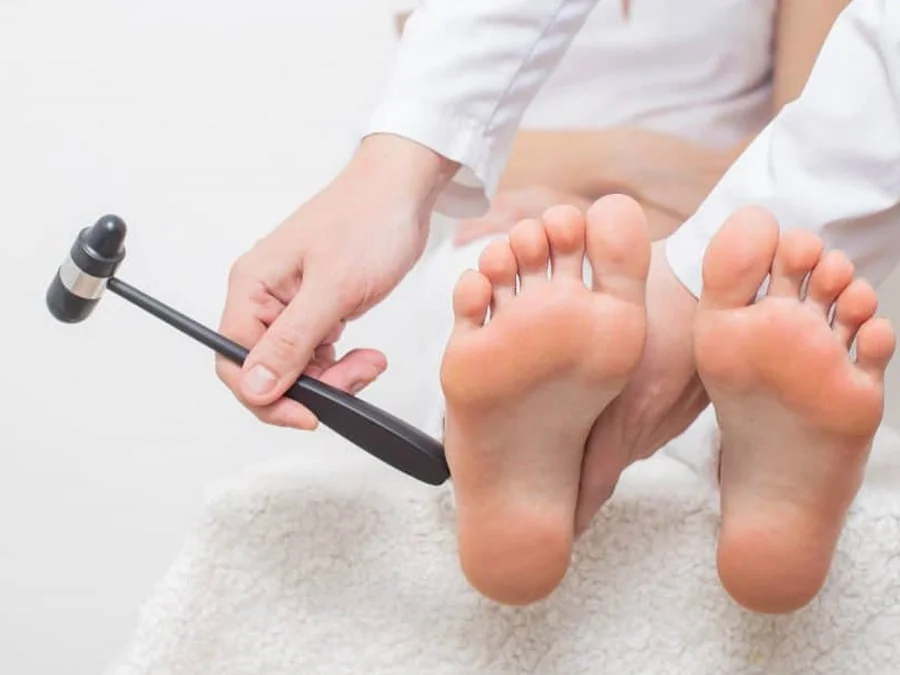
Mechanism of action
Mechanism depends on the target tissues and the technique used. Your clinician should explain exactly what is being treated and how it relates to your symptoms.
- Reduces acetylcholine release at the neuromuscular junction to lower muscle overactivity
- Effect is temporary and dose/target dependent
- Works best alongside stretching, splinting (if needed), and task-specific therapy
Conditions treated
These procedures are usually recommended when symptoms and examination suggest a specific pain generator that can be targeted safely.
- Post-stroke spasticity
- Focal dystonia patterns in selected cases
- Some pain conditions linked to muscle overactivity (case-dependent)
What happens during the procedure
Most procedures are performed as an outpatient day case. Imaging guidance (such as ultrasound or X-ray) improves accuracy and safety.
Typical steps
- Consent and safety checks; confirm allergies and medications.
- Positioning and sterile skin preparation.
- Local anaesthetic to numb the skin and deeper tissues.
- Targeting with imaging guidance, then treatment delivery.
- Short observation period and discharge instructions.
Expected outcomes and how long relief lasts
Response varies by diagnosis, severity, and nervous system sensitivity. Your team will set goals in terms of function (walking, sleep, return to work) rather than pain score alone.
- Reduced stiffness and easier movement
- Improved comfort and hygiene care
- Better ability to practise functional tasks in therapy
Typical duration of benefit: Often 8–16 weeks; varies by dose and individual response.
Side effects, risks, and safety
Most side effects are temporary. Serious complications are uncommon when procedures are appropriately selected and performed with imaging guidance.
- Local soreness or bruising
- Temporary weakness in injected muscles
- Flu-like symptoms (uncommon)
- Spread effects are rare at appropriate dosing
Seek urgent help for severe shortness of breath, chest pain, high fever, rapidly spreading redness, or new severe weakness.
Contraindications and when to avoid it
Your clinician should screen for factors that increase risk or reduce likely benefit.
- Infection at injection site
- Certain neuromuscular conditions (case-dependent)
- Pregnancy/breastfeeding considerations (case-dependent)
- Unrealistic goals without a therapy plan to use the effect window
How it compares with other options
Different procedures are suited to different pain generators. A “best” choice depends on the diagnosis and your goals.
- Compared with oral antispasticity medicines: injections are focal with different side effect trade-offs
- Compared with physiotherapy alone: injections can reduce tone to make therapy more effective
- Compared with surgery: far less invasive and typically trialled first
Aftercare and rehabilitation integration
Aftercare is where results are protected. The aim is to increase safe activity while symptoms are calmer.
- Begin or continue therapy within days
- Track functional goals (hand opening, walking, hygiene)
- Plan follow-up timing as effects wear off
- Continue self-management stretching and positioning

Costs and insurance (general guidance)
Coverage varies. Ask what documentation is required and whether diagnostic blocks or conservative care are prerequisites.
- Coverage may require documentation of spasticity severity, functional goals, and prior therapy
- Some plans require periodic reassessment for ongoing approval
Patient story (composite example)
A person with post-stroke arm spasticity found dressing and hygiene difficult due to stiffness.
After targeted injections and therapy, hand opening improved enough to practise daily tasks more comfortably.
This is a de-identified composite example for education. Individual outcomes vary.
Next steps
Bring a medication list, relevant imaging reports, and a short symptom timeline to your consultation. Your clinician can confirm the target, explain realistic outcomes, and coordinate follow-up rehabilitation.
Medical disclaimer
This article is for general education only and is not medical advice. Procedures carry risks and should be chosen with a clinician who understands your medical history and examination findings.
FAQs
How long does it take to work?
Effects typically start within days and peak over 1–2 weeks.
Will it make me weak?
Some targeted weakness can occur; dosing and muscle selection aim to balance function and tone reduction.
How often is it repeated?
Often every 3–4 months, depending on goals and response.
Do I need therapy afterwards?
Yes. Therapy uses the effect window to improve function and movement patterns.
Is it safe after stroke?
It is commonly used for post-stroke spasticity when clinically appropriate.
What if it does not help?
Your team will reassess targets, goals, and alternatives.
Comments
Comments are stored on this device.
No comments yet.