

Home care
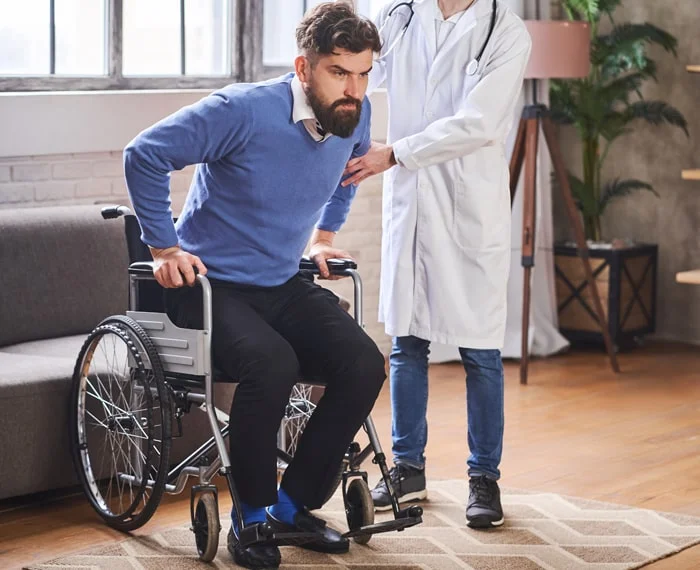
Home care supports safety and independence at home through practical help, equipment, and caregiver support. It can be useful after surgery, after stroke, or when pain limits daily tasks.
Quick facts
- Typical frequency
- Varies from short-term daily support to periodic check-ins depending on needs
- Focus
- home care, caregiver support, safety
- Tools
- Grab rails or non-slip mats, Shower chair or commode (when indicated), Medication organiser and reminders
On this page
Getting started checklist
Use this checklist to prepare. To download as a PDF, choose “Save as PDF” in the print dialog.
- List the tasks you struggle with most
- Take photos of key areas (bathroom, stairs) if helpful
- Bring a medication list and appointment schedule
- Identify who can help at home in the first week after a procedure
Overview
Home care supports safety and independence at home through practical help, equipment, and caregiver support. It can be useful after surgery, after stroke, or when pain limits daily tasks.
Supportive therapies work best when they are personalised, measurable, and integrated with medical care. This guide explains what to expect and how to track progress.
Treatment philosophy
Core principles
- Safety first: reduce falls and prevent complications
- Support independence with the right help at the right time
- Coordinate care to reduce gaps and confusion
Assessment process
What your clinician assesses
- Home environment and fall risk screening
- Daily task assessment (washing, dressing, meals, medication)
- Caregiver capacity and support needs
- Equipment and accessibility review (stairs, bathroom, bed)
Customised treatment plans
What a plan typically includes
- Personal care support and routine design
- Home exercise support and prompts where appropriate
- Equipment recommendations (rails, shower chair, walker)
- Escalation plan for red flags and urgent issues
Equipment and tools
Equipment depends on goals and home environment. Many programmes can start with minimal tools and progress over time.
Common equipment
- Grab rails or non-slip mats
- Shower chair or commode (when indicated)
- Medication organiser and reminders
Session frequency and follow-up
Typical frequency: Varies from short-term daily support to periodic check-ins depending on needs. Your clinician will adjust based on progress, complexity, and safety.
Measurable outcomes (how progress is tracked)
Examples of measures
- Fewer falls and safer mobility
- Improved independence in self-care
- Better adherence to rehab and medication plans
Integration with medical treatments
How it fits with medical care
- Coordinate with occupational therapy for equipment and routines
- Coordinate with physiotherapy for safe mobility plans
- Coordinate with medical teams for wound care and red flags
Self-management strategies
What you can do between sessions
- Keep pathways clear and well lit
- Use assistive devices consistently if prescribed
- Follow wound and medication instructions closely
- Seek urgent help for chest pain, shortness of breath, or new severe weakness
Patient story (composite example)
After a procedure, a person worried about climbing stairs and managing meals and medication alone.
With short-term home care and equipment setup, they stayed safe while building independence through rehabilitation.
This is a de-identified composite example for education. Individual outcomes vary.
Next steps
Bring your goals, medication list, and a short symptom timeline to your consultation. A clinician can help coordinate the right team members and a practical plan.
Medical disclaimer
This article is for general education only and is not medical advice. Seek individual assessment for persistent, severe, or worsening symptoms.
FAQs
Is home care only for older adults?
No. It can support anyone who needs short-term help after surgery, stroke, or a flare of illness.
What kinds of help are included?
Support can include personal care, equipment setup, mobility safety, and coordination with therapy plans.
How long will I need home care?
It depends on your recovery and support network. Many people use it short-term during a transition.
Can home care include exercise support?
Yes, within the plan set by your therapy team.
What should trigger urgent help?
Chest pain, shortness of breath, high fever, or new severe weakness should be assessed urgently.
How is home care arranged?
This depends on your healthcare system and insurer. We can help you understand options.
Comments
Comments are stored on this device.
No comments yet.