

Physiotherapy
Physiotherapy helps restore movement, strength, and confidence with activity through assessment, graded exercise, and practical strategies for flare-ups. It is central to recovery after procedures and for long-term pain management.
Quick facts
- Typical frequency
- Often weekly or fortnightly early, then spaced as independence increases
- Focus
- physiotherapy, rehabilitation, exercise
- Tools
- Resistance bands, Light weights, Step/box for functional training
On this page
Getting started checklist
Use this checklist to prepare. To download as a PDF, choose “Save as PDF” in the print dialog.
- Write down your top 3 goals
- Bring supportive footwear and comfortable clothing
- Track a week of activity and symptoms
- List previous injuries/surgeries
Overview
Physiotherapy helps restore movement, strength, and confidence with activity through assessment, graded exercise, and practical strategies for flare-ups. It is central to recovery after procedures and for long-term pain management.
Supportive therapies work best when they are personalised, measurable, and integrated with medical care. This guide explains what to expect and how to track progress.
Treatment philosophy
Core principles
- Build capacity through graded loading
- Use education to reduce fear and improve self-efficacy
- Focus on functional goals that matter to the patient
Assessment process
What your clinician assesses
- History and symptom behaviour
- Movement screening and strength/endurance testing
- Functional measures (stairs, sit-to-stand, walking time)
- Plan for safe progression and flare management
Customised treatment plans
What a plan typically includes
- Personalised exercise programme with progressions
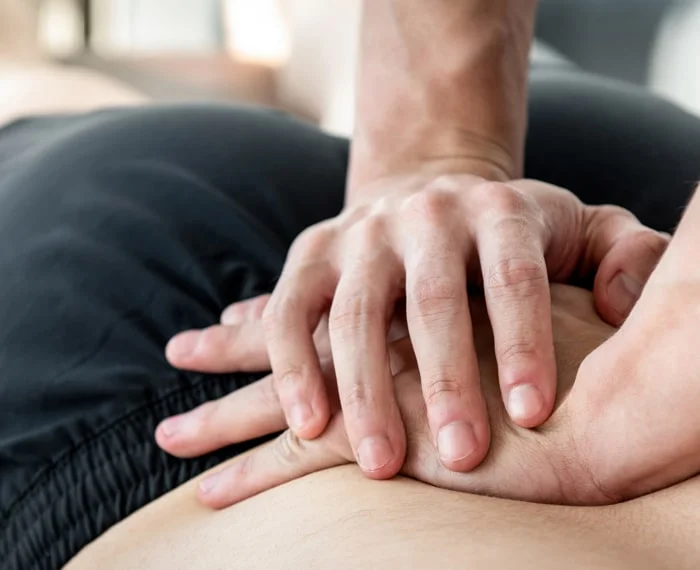
- Manual therapy when appropriate as an adjunct
- Return-to-work or return-to-sport planning
- Home programme with clear minimum effective dose
Equipment and tools
Equipment depends on goals and home environment. Many programmes can start with minimal tools and progress over time.
Common equipment
- Resistance bands
- Light weights
- Step/box for functional training
- Walking plan or activity tracker
Session frequency and follow-up
Typical frequency: Often weekly or fortnightly early, then spaced as independence increases. Your clinician will adjust based on progress, complexity, and safety.
Measurable outcomes (how progress is tracked)
Examples of measures
- Pain interference with activity
- Strength and endurance measures
- Walking distance/time
- Confidence and self-management skills
Integration with medical treatments
How it fits with medical care
- Use procedure relief windows to accelerate rehab progress
- Coordinate with medication timing for participation
- Flag red flags back to medical team
Self-management strategies
What you can do between sessions
- Daily walking or activity routine
- Strength progressions 2–3×/week as tolerated
- Simple flare-up plan: reduce load, keep moving, reassess
- Sleep and stress strategies when relevant
Patient story (composite example)
A person avoided movement due to fear of damage and repeated flare-ups.
With graded exposure and measurable progressions, they rebuilt confidence and returned to daily activities.
This is a de-identified composite example for education. Individual outcomes vary.
Next steps
Bring your goals, medication list, and a short symptom timeline to your consultation. A clinician can help coordinate the right team members and a practical plan.
Medical disclaimer
This article is for general education only and is not medical advice. Seek individual assessment for persistent, severe, or worsening symptoms.
FAQs
Do I need a scan before physiotherapy?
Not always. Many problems can be assessed clinically; imaging is used when it changes management.
Will exercises make pain worse?
Some discomfort can occur, but programmes are designed to be safe and progressive.
How many sessions will I need?
It depends on goals and complexity. Many people transition to an independent plan over time.
Is manual therapy necessary?
It can help some people, but long-term improvement usually requires active rehabilitation.
How do we measure progress?
We track function (walking, strength, tasks) and confidence, not pain alone.
Can physiotherapy help after surgery?
Yes. Rehab often improves recovery, strength, and return to activity.
Comments
Comments are stored on this device.
No comments yet.