

Osteopathy
Osteopathy combines hands-on assessment with movement advice and exercise planning to improve comfort and function. It is most effective when treatment is goal-based and paired with an active home plan.
Quick facts
- Typical frequency
- Often weekly or fortnightly early, then spaced as self-management improves
- Focus
- osteopathy, manual therapy, mobility
- Tools
- Comfortable clothing, Resistance band, Foam roller or massage ball (optional)
On this page
Getting started checklist
Use this checklist to prepare. To download as a PDF, choose “Save as PDF” in the print dialog.
- List your top 3 activities you want to do more comfortably
- Bring any imaging reports
- Wear clothing that allows movement assessment
- Be ready to discuss your typical week and flare pattern
Overview
Osteopathy combines hands-on assessment with movement advice and exercise planning to improve comfort and function. It is most effective when treatment is goal-based and paired with an active home plan.
Supportive therapies work best when they are personalised, measurable, and integrated with medical care. This guide explains what to expect and how to track progress.
Treatment philosophy
Core principles
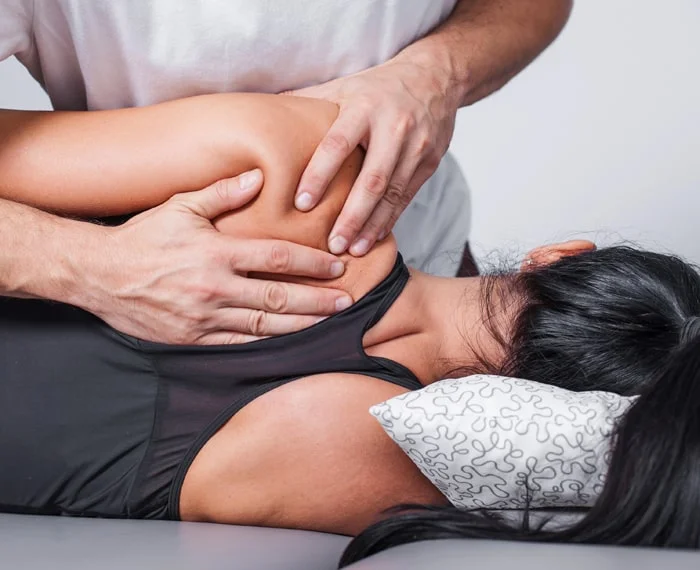
- Use hands-on techniques as an adjunct, not the whole plan.
- Improve function by combining movement retraining with symptom management.
- Support long-term change with education and home exercises.
Assessment process
What your clinician assesses
- History: symptom triggers, flare patterns, sleep, stress, and goals.
- Movement assessment: range, control, and tolerance to loading.
- Screening for red flags and referral needs when appropriate.
- Identify contributing factors such as posture, work demands, and deconditioning.
Customised treatment plans
What a plan typically includes
- Hands-on treatment targeted to your presentation (when appropriate).
- Simple mobility and strengthening exercises with progressions.
- Advice for work and daily activity pacing to reduce flare-ups.
- A flare-up plan: what to change for 24–48 hours and how to restart progressions.
Equipment and tools
Equipment depends on goals and home environment. Many programmes can start with minimal tools and progress over time.
Common equipment
- Comfortable clothing
- Resistance band
- Foam roller or massage ball (optional)
Session frequency and follow-up
Typical frequency: Often weekly or fortnightly early, then spaced as self-management improves. Your clinician will adjust based on progress, complexity, and safety.
Measurable outcomes (how progress is tracked)
Examples of measures
- Improved task tolerance (sitting, walking, lifting)
- Range of motion and movement confidence
- Reduced flare frequency and faster recovery from flare-ups
Integration with medical treatments
How it fits with medical care
- Coordinate with imaging results and medical review when needed
- Combine with physiotherapy/exercise therapy for capacity building
- Use injections or surgery recovery windows to progress rehab safely
Self-management strategies
What you can do between sessions
- Daily movement breaks
- Short mobility routine
- Graded strengthening 2–3×/week
- Track triggers and adjust load rather than stopping activity completely
Patient story (composite example)
A person with recurrent back pain relied on rest during flare-ups and lost confidence with movement.
With a combined hands-on and exercise plan, they learned pacing and progressed strength, reducing flare frequency over time.
This is a de-identified composite example for education. Individual outcomes vary.
Next steps
Bring your goals, medication list, and a short symptom timeline to your consultation. A clinician can help coordinate the right team members and a practical plan.
Medical disclaimer
This article is for general education only and is not medical advice. Seek individual assessment for persistent, severe, or worsening symptoms.
FAQs
Is osteopathy only “hands-on” treatment?
No. Many osteopaths combine manual treatment with exercise, education, and activity planning for longer-term change.
Will I need imaging first?
Not always. Imaging is useful when it changes management or when red flags are present.
Can osteopathy help chronic pain?
Often as part of a broader plan that includes graded activity, sleep strategies, and sometimes psychology or medication support.
How many sessions are typical?
It varies. Many people start with a few sessions and transition to an independent home plan.
What should I feel after a session?
Mild soreness can happen. Severe or worsening symptoms should be discussed with your clinician.
Do I still need exercise?
Usually yes. Exercise helps build capacity and makes results more durable.
Comments
Comments are stored on this device.
No comments yet.