

Exercise therapy
Exercise therapy uses a structured, progressive programme to build strength, endurance, and confidence with movement. The goal is to improve function and reduce flare-ups through the right dose of activity.
Quick facts
- Typical frequency
- Most plans use 2–3 strength sessions/week plus regular low-intensity activity
- Focus
- exercise therapy, strength, endurance
- Tools
- Comfortable shoes, Resistance bands or weights, Step/box or chair for functional exercises
On this page
Getting started checklist
Use this checklist to prepare. To download as a PDF, choose “Save as PDF” in the print dialog.
- Define your top 3 function goals
- Track a week of steps or walking time
- List any equipment you have at home
- Plan realistic session times you can keep consistently
Overview
Exercise therapy uses a structured, progressive programme to build strength, endurance, and confidence with movement. The goal is to improve function and reduce flare-ups through the right dose of activity.
Supportive therapies work best when they are personalised, measurable, and integrated with medical care. This guide explains what to expect and how to track progress.
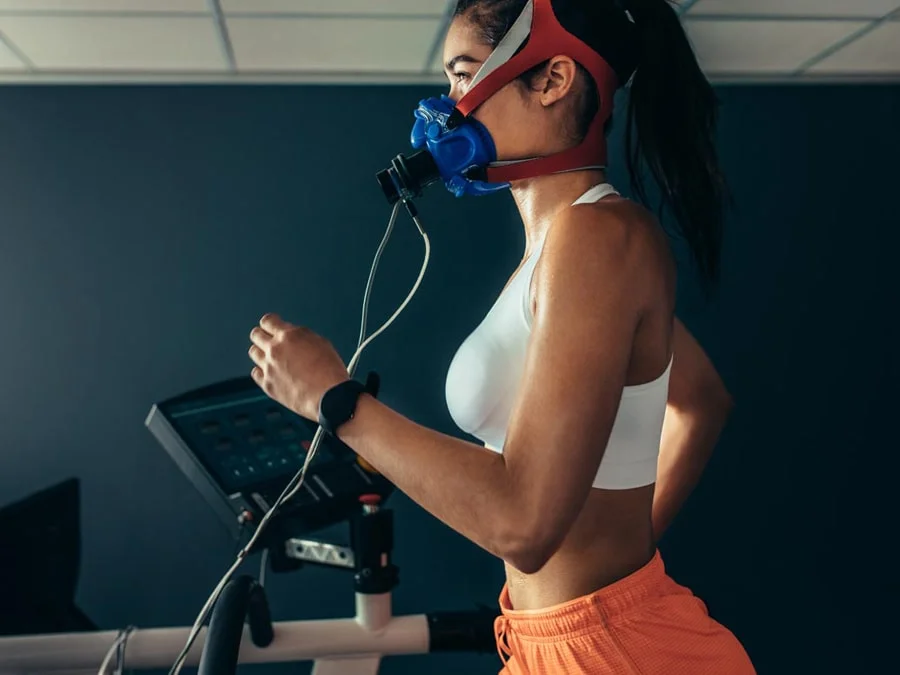
Treatment philosophy
Core principles
- Dose matters: start where you can succeed and progress gradually
- Build whole-body capacity, not only the painful area
- Measure progress with repeatable tests and function goals
Assessment process
What your clinician assesses
- Assess baseline capacity (walking time, strength tests, balance)
- Review flare pattern and recovery time after activity
- Screen red flags and safety considerations
- Select exercises linked to your goals
Customised treatment plans
What a plan typically includes
- Strength training 2–3×/week with progressions
- Aerobic plan (walking/cycling) with pacing rules
- Mobility work to support movement quality
- A flare-up adjustment plan that keeps you moving
Equipment and tools
Equipment depends on goals and home environment. Many programmes can start with minimal tools and progress over time.
Common equipment
- Comfortable shoes
- Resistance bands or weights
- Step/box or chair for functional exercises
Session frequency and follow-up
Typical frequency: Most plans use 2–3 strength sessions/week plus regular low-intensity activity. Your clinician will adjust based on progress, complexity, and safety.
Measurable outcomes (how progress is tracked)
Examples of measures
- Walking time/distance
- Strength and endurance measures
- Reduced pain interference with daily tasks
- Greater confidence with activity
Integration with medical treatments
How it fits with medical care
- Coordinate with physiotherapy for technique and progressions
- Use procedure relief windows to increase activity safely
- Coordinate with medication timing for participation and safety
Self-management strategies
What you can do between sessions
- Use the 24–48 hour rule: monitor response after training
- Progress one variable at a time (load, reps, or duration)
- Keep a simple training log
- Prioritise sleep and recovery routines
Patient story (composite example)
A person with knee pain stopped activity and became less fit, making stairs and walking harder.
With a graded strengthening plan and paced walking, they rebuilt capacity and improved daily function.
This is a de-identified composite example for education. Individual outcomes vary.
Next steps
Bring your goals, medication list, and a short symptom timeline to your consultation. A clinician can help coordinate the right team members and a practical plan.
Medical disclaimer
This article is for general education only and is not medical advice. Seek individual assessment for persistent, severe, or worsening symptoms.
FAQs
Should I stop exercise if it hurts?
Not always. Some discomfort can be normal. The goal is to find a safe dose and monitor response over 24–48 hours.
How fast should I progress?
Progress depends on recovery. Many people do best with small weekly increases.
Do I need a gym?
No. Many effective programmes use bands, body weight, and simple home equipment.
What if I flare up?
Reduce dose, keep gentle movement, then restart progressions once symptoms settle.
Is cardio important?
Often yes. Aerobic fitness supports recovery and reduces overall load sensitivity.
How do we measure success?
We track function measures like walking time, strength, and task performance.
Comments
Comments are stored on this device.
No comments yet.