

Nutrition (for recovery and pain support)
Nutrition supports recovery by improving energy, tissue repair, and overall health. For persistent pain, stable blood sugar, adequate protein, and practical routines can make rehabilitation easier.
Quick facts
- Typical frequency
- Often monthly reviews, with check-ins during behaviour change phases
- Focus
- nutrition, recovery, protein
- Tools
- Simple meal template, Water bottle and hydration reminders, Grocery list and batch-cooking plan
On this page
Getting started checklist
Use this checklist to prepare. To download as a PDF, choose “Save as PDF” in the print dialog.
- Track a typical 2–3 day food and hydration pattern
- List dietary preferences and constraints
- Bring recent blood tests if available
- Define one practical goal for the next 2 weeks
Overview
Nutrition supports recovery by improving energy, tissue repair, and overall health. For persistent pain, stable blood sugar, adequate protein, and practical routines can make rehabilitation easier.
Supportive therapies work best when they are personalised, measurable, and integrated with medical care. This guide explains what to expect and how to track progress.
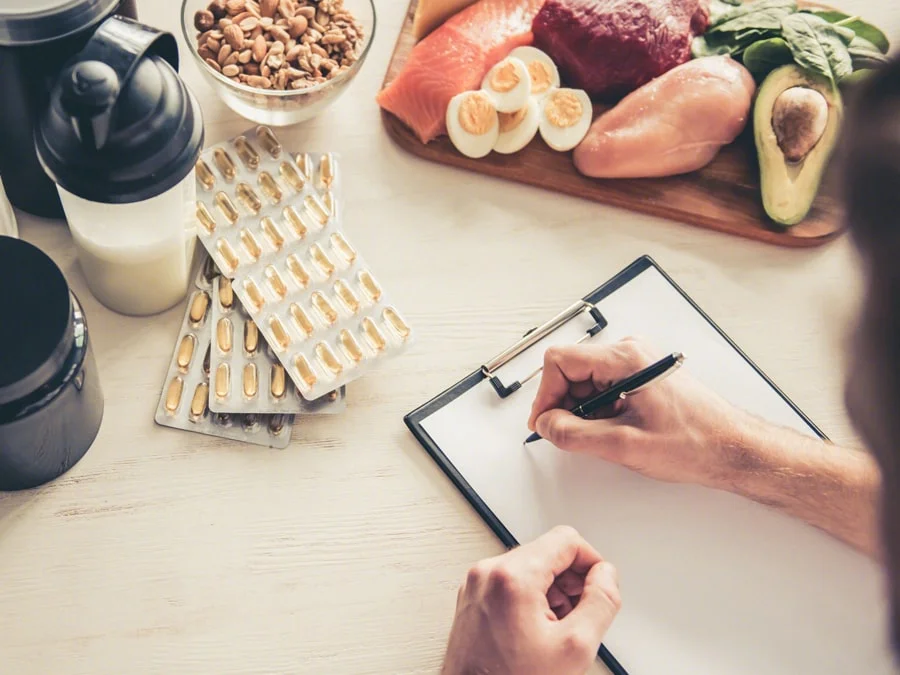
Treatment philosophy
Core principles
- Prioritise practical, sustainable changes
- Support tissue repair with adequate protein and micronutrients
- Use nutrition to improve energy, sleep, and training tolerance
Assessment process
What your clinician assesses
- Review weight history and appetite changes
- Assess daily routine, hydration, and meal timing
- Screen for deficiencies risk and medical conditions (diabetes, kidney disease)
- Agree on goals linked to function (energy, training tolerance)
Customised treatment plans
What a plan typically includes
- Protein target planning across meals
- Fibre and hydration routines to support gut health
- Strategy for flare days: easy meals and consistent timing
- Coordination with medical advice for specific conditions
Equipment and tools
Equipment depends on goals and home environment. Many programmes can start with minimal tools and progress over time.
Common equipment
- Simple meal template
- Water bottle and hydration reminders
- Grocery list and batch-cooking plan
Session frequency and follow-up
Typical frequency: Often monthly reviews, with check-ins during behaviour change phases. Your clinician will adjust based on progress, complexity, and safety.
Measurable outcomes (how progress is tracked)
Examples of measures
- Improved energy and training tolerance
- Better body composition support when relevant
- More consistent meal and hydration routines
Integration with medical treatments
How it fits with medical care
- Coordinate with medications (for example timing with meals)
- Support weight management to reduce joint load when appropriate
- Support post-operative nutrition planning for healing
Self-management strategies
What you can do between sessions
- Aim for regular meals and hydration
- Include protein at each main meal
- Plan 2–3 easy “default” meals for busy days
- Avoid extreme diets without clinical guidance
Patient story (composite example)
A person in rehabilitation felt exhausted and skipped meals, leading to low energy for exercise sessions.
With a simple meal structure and hydration routine, energy improved and rehab sessions became more consistent.
This is a de-identified composite example for education. Individual outcomes vary.
Next steps
Bring your goals, medication list, and a short symptom timeline to your consultation. A clinician can help coordinate the right team members and a practical plan.
Medical disclaimer
This article is for general education only and is not medical advice. Seek individual assessment for persistent, severe, or worsening symptoms.
FAQs
Is there one “anti-inflammatory” diet that works for everyone?
No. Many people benefit from a balanced, fibre-rich pattern with adequate protein, but individual needs vary.
Do I need supplements?
Not always. Supplements are used when deficiency risk or blood tests indicate a need.
Can nutrition help pain?
It can support overall health, energy, and recovery consistency, which often reduces pain interference.
What if I have diabetes?
Plans should be individualised. Meal timing and blood sugar stability become key priorities.
Should I avoid all sugar?
Most people do better with moderation and consistent meals rather than strict restriction.
How do we measure progress?
We track energy, meal consistency, rehab tolerance, and relevant health markers.
Comments
Comments are stored on this device.
No comments yet.