

Spinal fusion
Spinal fusion is surgery that stabilises a painful or unstable spinal segment by encouraging two or more vertebrae to heal together. It can help selected conditions such as instability, deformity, or certain causes of nerve compression.
Quick facts
- Conditions treated
- Spondylolisthesis with instability, Deformity in selected cases, Painful segment with confirmed mechanical instability
- Typical duration
- 2–6 hours (varies by technique and number of levels)
- Anaesthesia
- General anaesthesia
- Setting
- Hospital inpatient
- When improvement starts
- Improvement is gradual over weeks to months as healing progresses
- How long relief lasts
- Aims for long-term stability; adjacent segment symptoms can occur over time
On this page
- Overview
- Who this is for (eligibility)
- Alternatives to consider
- How the procedure works (step-by-step)
- Pre-operative preparation
- Recovery timeline (what to expect)
- Potential risks and complications
- Outcomes and success rates
- Post-procedure care
- Costs and insurance (general guidance)
- Patient story (composite example)
- Next steps
- Medical disclaimer
Preparation checklist
Use this checklist to prepare. To download as a PDF, choose “Save as PDF” in the print dialog.
- Review medications and supplements; discuss blood thinners and diabetes control.
- Stop smoking if applicable; smoking increases non-union risk.
- Optimise nutrition and protein intake for healing.
- Plan home support and safe mobility (rails, raised seating, clutter reduction).
- Prepare questions about the exact levels fused and expected activity restrictions.
Overview
Spinal fusion is surgery that stabilises a painful or unstable spinal segment by encouraging two or more vertebrae to heal together. It can help selected conditions such as instability, deformity, or certain causes of nerve compression.
This page explains how spinal fusion is typically performed, who it may help, what recovery often looks like, and what risks to consider. It is educational and does not replace an individual clinical assessment.

Who this is for (eligibility)
Eligibility depends on your diagnosis, symptoms, imaging, and overall health. Clinicians usually consider both how severe symptoms are and how much they limit daily life.
Common reasons it may be recommended
- Confirmed diagnosis where stability is a key driver of pain or neurological symptoms.
- Symptoms meaningfully limit function despite an appropriate trial of non-surgical care.
- Bone health and medical conditions can be optimised for healing.
Not appropriate if… (contraindications / caution)
- Active infection or uncontrolled medical conditions that increase surgical risk.
- Poor bone quality that is not addressed (risk of fixation failure).
- Pain pattern without a clear structural explanation or target.
Alternatives to consider
The best option depends on the cause of symptoms, your goals, and your risk profile. In many cases, clinicians start with less invasive treatments and escalate if needed.
- Physiotherapy with graded strength and capacity building.
- Medication optimisation and pain education approaches.
- Interventional procedures for selected pain generators.
- Motion-preserving options (for selected patients) such as disc replacement.
How the procedure works (step-by-step)
Procedural details vary by surgeon, anatomy, and the exact problem being treated. The steps below describe a typical pathway in patient-friendly terms.
Typical steps
- Anaesthesia and positioning; imaging confirms levels.
- Exposure of the target level(s); decompression may be performed if nerves are compressed.
- Placement of fixation (for example, screws/rods) and bone graft to promote fusion.
- Closure and early mobilisation plan.
Pre-operative preparation
Preparation aims to reduce risk and support smoother recovery. Your team will tailor advice to your medical history and medications.
- Review medications and supplements; discuss blood thinners and diabetes control.
- Stop smoking if applicable; smoking increases non-union risk.
- Optimise nutrition and protein intake for healing.
- Plan home support and safe mobility (rails, raised seating, clutter reduction).
- Prepare questions about the exact levels fused and expected activity restrictions.
Recovery timeline (what to expect)
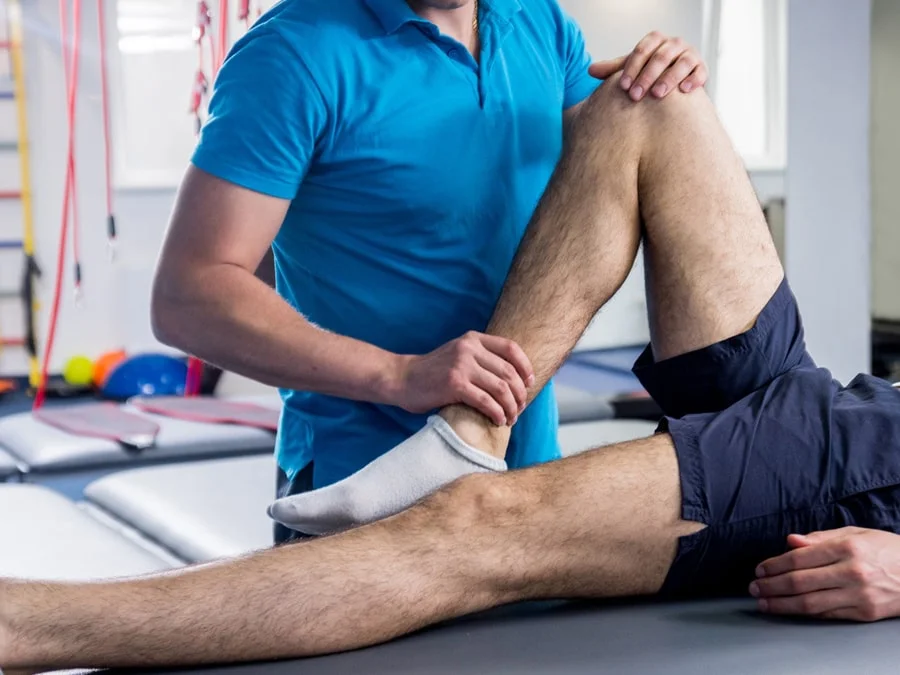
Recovery varies. Your baseline fitness, the size of the procedure, and how your nervous system responds to pain all influence the timeline.
Common milestones
- Days 1–4: inpatient care, walking with guidance, pain control, and early discharge planning.
- Weeks 2–6: gradual increase in walking; avoid heavy lifting; wound check and early rehab advice.
- Weeks 6–12: progressive strengthening and endurance; return to many daily activities.
- Months 3–12: fusion maturation; return to higher-demand activities is phased and individualised.
Potential risks and complications
Every procedure has potential downsides. Your clinician should explain risks in the context of your health and the expected benefit.
- Infection, bleeding, or blood clots.
- Nerve injury or persistent nerve symptoms.
- Non-union (failure to fuse) or hardware issues.
- Adjacent segment degeneration symptoms over time.
Seek urgent medical help after a procedure if you develop chest pain, severe shortness of breath, high fever, uncontrolled bleeding, new severe weakness, or loss of bladder/bowel control.
Outcomes and success rates
Fusion can improve pain and function when instability or deformity is a major driver. Success rates vary by indication, number of levels, bone health, and smoking status. Your surgeon should explain evidence relevant to your diagnosis.
Success depends on choosing the right indication, using good technique, and following an appropriate rehabilitation plan. Outcomes are usually better when expectations are realistic and goals are function-based.
Post-procedure care
Aftercare focuses on protecting healing tissues, restoring movement and strength, and reducing the risk of complications.
- Follow wound-care and activity restrictions; avoid twisting and heavy lifting as advised.
- Walk daily and progress gradually; avoid long static sitting early on.
- Attend follow-up imaging/appointments to monitor healing.
- Work with rehabilitation to restore strength, movement confidence, and function.
Costs and insurance (general guidance)
Coverage depends on your plan, diagnosis, and clinical documentation. Ask your insurer what is covered, what needs prior authorisation, and what out-of-pocket costs may apply.
- Coverage often requires imaging and documentation of functional limitation and prior conservative care.
- Ask what is covered: implants, hospital stay, anaesthesia, physiotherapy, and follow-up imaging.
- Clarify pre-approval requirements and expected co-payments.
Patient story (composite example)
A person with confirmed instability and leg symptoms had repeated flare-ups and reduced walking tolerance.
After structured rehabilitation and careful assessment, fusion was recommended with a clear explanation of goals and risks.
Recovery focused on walking, gradual strength, and pacing; function improved over months rather than days.
This is a de-identified composite example for education. Individual outcomes vary.
Next steps
If you are considering spinal fusion, bring your imaging reports, medication list, and a brief timeline of symptoms to your consultation. A clinician can help confirm the diagnosis, explain realistic outcomes, and coordinate alternatives when appropriate.
Medical disclaimer
This article is for general education only and is not medical advice. Treatment decisions should be made with a qualified clinician who understands your medical history and examination findings.
FAQs
How long does a fusion take to heal?
Bone healing progresses over months; many restrictions ease by 6–12 weeks, but full fusion maturation can take longer.
Will I lose all movement?
Movement at the fused level reduces, but many people still move well overall depending on the number of levels fused.
Do I need a brace?
Some people are given a brace depending on technique and surgeon preference.
What affects fusion success?
Smoking, bone health, diabetes control, nutrition, and adherence to rehab can all matter.
Can fusion help leg pain?
If leg pain is from nerve compression and the surgery addresses that, leg symptoms may improve.
What are alternatives?
Alternatives depend on diagnosis and may include rehab, injections, or other surgical approaches.
Comments
Comments are stored on this device.
No comments yet.