

Disc replacement
Artificial disc replacement (arthroplasty) aims to preserve motion at a spinal segment while reducing pain from a damaged disc in selected patients. Suitability depends on diagnosis, level, and overall spine stability.
Quick facts
- Conditions treated
- Discogenic pain with a confirmed target disc, Selected cervical radiculopathy cases, Single-level disc degeneration in appropriate candidates
- Typical duration
- 1–3 hours (varies by level and approach)
- Anaesthesia
- General anaesthesia
- Setting
- Hospital, often short stay
- When improvement starts
- Pain and function improvements are usually gradual over weeks; some symptoms may improve earlier
- How long relief lasts
- Aims for durable improvement; long-term outcomes depend on selection and rehab
On this page
- Overview
- Who this is for (eligibility)
- Alternatives to consider
- How the procedure works (step-by-step)
- Pre-operative preparation
- Recovery timeline (what to expect)
- Potential risks and complications
- Outcomes and success rates
- Post-procedure care
- Costs and insurance (general guidance)
- Patient story (composite example)
- Next steps
- Medical disclaimer
Preparation checklist
Use this checklist to prepare. To download as a PDF, choose “Save as PDF” in the print dialog.
- Bring imaging reports and a timeline of symptoms and previous treatments.
- Review medications and allergies; discuss blood thinners with your team.
- Optimise bone health, nutrition, and smoking cessation where relevant.
- Plan transport home and help with early daily tasks.
- Prepare questions about eligibility, expected motion, and return-to-activity milestones.
Overview
Artificial disc replacement (arthroplasty) aims to preserve motion at a spinal segment while reducing pain from a damaged disc in selected patients. Suitability depends on diagnosis, level, and overall spine stability.
This page explains how disc replacement is typically performed, who it may help, what recovery often looks like, and what risks to consider. It is educational and does not replace an individual clinical assessment.

Who this is for (eligibility)
Eligibility depends on your diagnosis, symptoms, imaging, and overall health. Clinicians usually consider both how severe symptoms are and how much they limit daily life.
Common reasons it may be recommended
- Disc-related symptoms with a clear target level supported by clinical assessment and imaging.
- Limited number of affected levels (often one level) and preserved overall spine stability.
- Reasonable bone quality and absence of major facet joint arthritis at the target level.
Not appropriate if… (contraindications / caution)
- Significant instability, deformity, or multiple pain generators without a clear target.
- Severe facet joint arthritis at the target level.
- Osteoporosis or medical factors that increase implant/fixation risk.
Alternatives to consider
The best option depends on the cause of symptoms, your goals, and your risk profile. In many cases, clinicians start with less invasive treatments and escalate if needed.
- Structured rehabilitation and graded strength/endurance programmes.
- Medication optimisation and lifestyle factors (sleep, pacing, weight where relevant).
- Interventional pain procedures for selected pain generators.
- Spinal fusion when stability is the priority or disc replacement is not suitable.
How the procedure works (step-by-step)
Procedural details vary by surgeon, anatomy, and the exact problem being treated. The steps below describe a typical pathway in patient-friendly terms.
Typical steps
- Anaesthesia and positioning; imaging confirms the target level.
- The damaged disc is removed to decompress nerves and prepare the space.
- A disc implant is placed to restore height and allow motion.
- Closure and early mobilisation with precautions.
Pre-operative preparation
Preparation aims to reduce risk and support smoother recovery. Your team will tailor advice to your medical history and medications.
- Bring imaging reports and a timeline of symptoms and previous treatments.
- Review medications and allergies; discuss blood thinners with your team.
- Optimise bone health, nutrition, and smoking cessation where relevant.
- Plan transport home and help with early daily tasks.
- Prepare questions about eligibility, expected motion, and return-to-activity milestones.
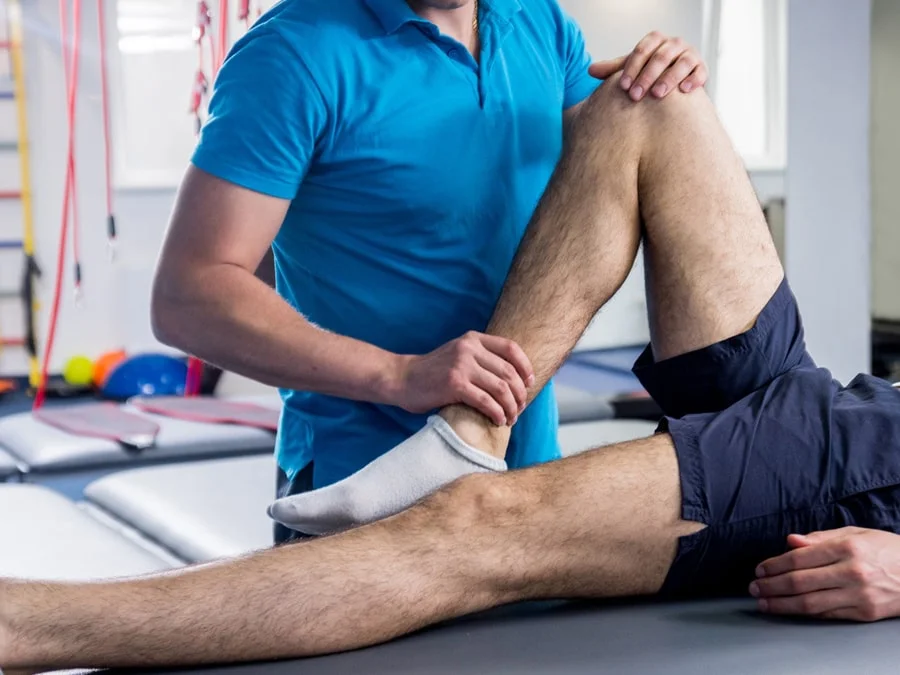
Recovery timeline (what to expect)
Recovery varies. Your baseline fitness, the size of the procedure, and how your nervous system responds to pain all influence the timeline.
Common milestones
- Days 1–7: walking and gentle movement; manage incision discomfort; avoid heavy lifting.
- Weeks 2–6: increase walking tolerance; begin guided mobility and strength work.
- Weeks 6–12: progressive rehabilitation; return to many daily activities; work return varies.
- Months 3–6: gradual return to higher-demand activities depending on symptoms and clinician guidance.
Potential risks and complications
Every procedure has potential downsides. Your clinician should explain risks in the context of your health and the expected benefit.
- Infection, bleeding, or blood clots.
- Nerve irritation/injury or persistent symptoms.
- Implant-related issues (malposition, wear, loosening) over time.
- Adjacent level symptoms can still occur depending on overall spine health.
Seek urgent medical help after a procedure if you develop chest pain, severe shortness of breath, high fever, uncontrolled bleeding, new severe weakness, or loss of bladder/bowel control.
Outcomes and success rates
When used for the right indication and level, many people report meaningful improvements in pain and function. Your surgeon should discuss expected benefit compared with fusion and how your anatomy and diagnosis affect outcomes.
Success depends on choosing the right indication, using good technique, and following an appropriate rehabilitation plan. Outcomes are usually better when expectations are realistic and goals are function-based.
Post-procedure care
Aftercare focuses on protecting healing tissues, restoring movement and strength, and reducing the risk of complications.
- Follow wound-care instructions and early activity guidance.
- Avoid heavy lifting and aggressive end-range movements early on as advised.
- Start progressive rehabilitation focusing on mobility, strength, and movement confidence.
- Attend follow-up appointments to monitor recovery and implant position.
Costs and insurance (general guidance)
Coverage depends on your plan, diagnosis, and clinical documentation. Ask your insurer what is covered, what needs prior authorisation, and what out-of-pocket costs may apply.
- Ask whether disc replacement is covered for your diagnosis and level; coverage can vary by insurer and region.
- Prior authorisation may require imaging and documentation of failed conservative care and functional limitation.
- Confirm coverage for implant/device costs and post-operative rehabilitation.
Patient story (composite example)
A person with a clear single-level disc problem had persistent pain despite a structured rehab plan.
After assessment confirmed suitability for motion preservation, disc replacement was chosen over fusion.
Recovery focused on walking first, then mobility and strength with graded progressions.
This is a de-identified composite example for education. Individual outcomes vary.
Next steps
If you are considering disc replacement, bring your imaging reports, medication list, and a brief timeline of symptoms to your consultation. A clinician can help confirm the diagnosis, explain realistic outcomes, and coordinate alternatives when appropriate.
Medical disclaimer
This article is for general education only and is not medical advice. Treatment decisions should be made with a qualified clinician who understands your medical history and examination findings.
FAQs
How is disc replacement different from fusion?
Replacement aims to preserve motion at the treated level; fusion aims to stabilise by stopping motion at that segment.
Am I a candidate if I have arthritis?
Facet joint arthritis at the target level can reduce suitability; assessment helps clarify this.
How soon can I return to work?
Desk work may be possible in a few weeks for some; heavy work often requires longer and depends on recovery.
Is the implant permanent?
It is designed to be long-lasting, but all implants have long-term considerations that your surgeon should discuss.
Will it help leg or arm symptoms?
If nerve compression is addressed and the disc level is the driver, nerve symptoms may improve, but timelines vary.
Do I need physiotherapy?
Rehabilitation is commonly recommended to restore capacity and reduce recurrence risk.
Comments
Comments are stored on this device.
No comments yet.