

Podiatry / podology
Podiatry (podology) focuses on foot and ankle health, gait, footwear, and skin and nail care. Foot mechanics and shoe choices can influence pain up the chain, including knees, hips, and back.
Quick facts
- Typical frequency
- Often one assessment plus follow-up at 4–8 weeks; ongoing care as needed
- Focus
- podiatry, podology, foot pain
- Tools
- Supportive footwear, Insoles or orthoses (when prescribed), Simple foot strengthening tools (band, towel)
On this page
Getting started checklist
Use this checklist to prepare. To download as a PDF, choose “Save as PDF” in the print dialog.
- Bring your most-used shoes
- Note when pain is worse (first steps, hills, long walks)
- Bring a list of medical conditions (diabetes, neuropathy) if relevant
- Bring any prior orthoses
Overview
Podiatry (podology) focuses on foot and ankle health, gait, footwear, and skin and nail care. Foot mechanics and shoe choices can influence pain up the chain, including knees, hips, and back.
Supportive therapies work best when they are personalised, measurable, and integrated with medical care. This guide explains what to expect and how to track progress.
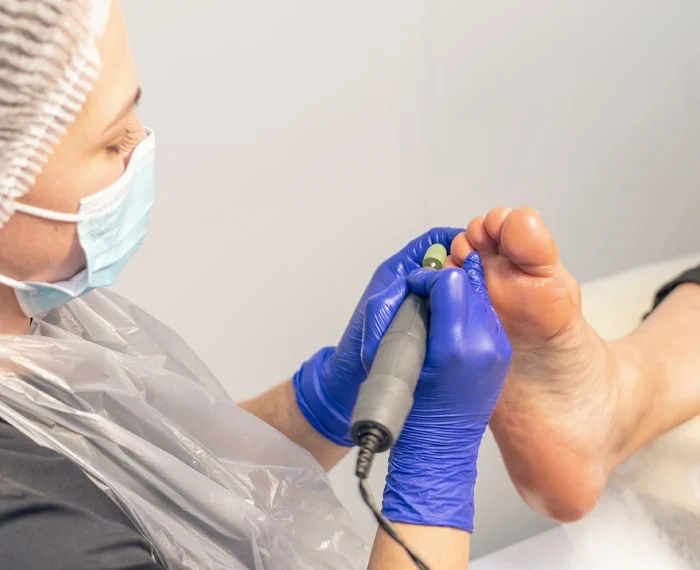
Treatment philosophy
Core principles
- Reduce pain by improving load distribution and tissue capacity
- Use footwear and orthoses when they improve function
- Combine foot care with strengthening and gait advice
Assessment process
What your clinician assesses
- History of symptoms and footwear habits
- Foot and ankle mobility/strength assessment
- Gait and load pattern review
- Skin, nail, and pressure area assessment when relevant
Customised treatment plans
What a plan typically includes
- Footwear recommendations matched to your activity
- Orthoses or inserts when indicated
- Strengthening for foot/ankle and calf capacity
- Skin and nail care plan when needed
Equipment and tools
Equipment depends on goals and home environment. Many programmes can start with minimal tools and progress over time.
Common equipment
- Supportive footwear
- Insoles or orthoses (when prescribed)
- Simple foot strengthening tools (band, towel)
Session frequency and follow-up
Typical frequency: Often one assessment plus follow-up at 4–8 weeks; ongoing care as needed. Your clinician will adjust based on progress, complexity, and safety.
Measurable outcomes (how progress is tracked)
Examples of measures
- Reduced foot pain during walking
- Improved gait tolerance
- Fewer skin/nail complications when relevant
Integration with medical treatments
How it fits with medical care
- Coordinate with physiotherapy for calf and hip strength
- Coordinate with diabetes care teams for high-risk foot management
- Support return-to-walk/run programmes with footwear planning
Self-management strategies
What you can do between sessions
- Check footwear wear patterns
- Do short foot strength routines 3–4×/week
- Use gradual exposure to longer walks
- Seek urgent help for wounds, infection, or sudden severe swelling
Patient story (composite example)
A person with heel pain changed shoes often but did not progress strengthening, leading to repeated flares.
With footwear guidance and a graded calf/foot programme, walking tolerance improved.
This is a de-identified composite example for education. Individual outcomes vary.
Next steps
Bring your goals, medication list, and a short symptom timeline to your consultation. A clinician can help coordinate the right team members and a practical plan.
Medical disclaimer
This article is for general education only and is not medical advice. Seek individual assessment for persistent, severe, or worsening symptoms.
FAQs
Do I need orthotics?
Not everyone. Orthotics are used when they improve function and comfort, often alongside strengthening.
Can footwear affect knee or hip pain?
Yes. Foot mechanics and shoe choices can influence load up the chain.
How quickly will I improve?
It depends on the condition. Strength changes take weeks, but footwear changes can help sooner.
What if I have diabetes?
Foot care and skin checks become especially important. Seek prompt help for wounds or infection.
Should I stop walking?
Usually no. We adjust load and build capacity rather than stopping activity completely.
How do we measure progress?
We track walking tolerance, pain interference, and any skin/nail issues.
Comments
Comments are stored on this device.
No comments yet.