

Nucleoplasty (disc decompression)
Nucleoplasty is a minimally invasive disc procedure that uses a small probe to reduce disc volume and pressure in selected cases, aiming to improve nerve-related symptoms from contained disc problems.
Quick facts
- Conditions treated
- Contained disc bulge with nerve irritation in selected patients, Disc-related leg pain in specific cases
- Typical duration
- 30–60 minutes
- Anaesthesia
- Local anaesthetic with sedation (varies)
- Setting
- Day procedure
- Body location
- Spine (intervertebral disc)
- Relief duration
- Variable; depends on disc pattern and overall management plan
On this page
- Overview
- Mechanism of action
- Conditions treated
- What happens during the procedure
- Expected outcomes and how long relief lasts
- Side effects, risks, and safety
- Contraindications and when to avoid it
- How it compares with other options
- Aftercare and rehabilitation integration
- Costs and insurance (general guidance)
- Patient story (composite example)
- Next steps
- Medical disclaimer
Preparation checklist
Use this checklist to prepare. To download as a PDF, choose “Save as PDF” in the print dialog.
- Bring imaging reports
- Confirm anticoagulant plan
- Arrange transport if sedated
- Plan a gradual return to activity with rehab support
Overview
Nucleoplasty is a minimally invasive disc procedure that uses a small probe to reduce disc volume and pressure in selected cases, aiming to improve nerve-related symptoms from contained disc problems.
Interventional pain procedures can reduce pain to create a “window” for movement, sleep, and rehabilitation. The best results usually come when the procedure is matched to the right diagnosis and followed by a structured plan.

Mechanism of action
Mechanism depends on the target tissues and the technique used. Your clinician should explain exactly what is being treated and how it relates to your symptoms.
- A small probe reduces disc material volume (for example, using plasma-mediated energy)
- Reduced disc pressure can lessen nerve irritation in selected disc patterns
- Selection is critical; it is not appropriate for all herniations
Conditions treated
These procedures are usually recommended when symptoms and examination suggest a specific pain generator that can be targeted safely.
- Contained disc bulge with nerve irritation in selected patients
- Disc-related leg pain in specific cases
What happens during the procedure
Most procedures are performed as an outpatient day case. Imaging guidance (such as ultrasound or X-ray) improves accuracy and safety.
Typical steps
- Consent and safety checks; confirm allergies and medications.
- Positioning and sterile skin preparation.
- Local anaesthetic to numb the skin and deeper tissues.
- Targeting with imaging guidance, then treatment delivery.
- Short observation period and discharge instructions.
Expected outcomes and how long relief lasts
Response varies by diagnosis, severity, and nervous system sensitivity. Your team will set goals in terms of function (walking, sleep, return to work) rather than pain score alone.
- Reduced leg pain in selected cases
- Improved walking tolerance
- Earlier participation in rehabilitation
Typical duration of benefit: Variable; depends on disc pattern and overall management plan.
Side effects, risks, and safety
Most side effects are temporary. Serious complications are uncommon when procedures are appropriately selected and performed with imaging guidance.
- Temporary soreness
- Temporary symptom flare
- Bleeding or infection (uncommon)
- Persistent symptoms if disc pattern is not suitable
Seek urgent help for severe shortness of breath, chest pain, high fever, rapidly spreading redness, or new severe weakness.
Contraindications and when to avoid it
Your clinician should screen for factors that increase risk or reduce likely benefit.
- Large sequestered herniation requiring different management
- Infection
- Unmanaged bleeding risk
- Progressive neurological deficit requiring urgent assessment
How it compares with other options
Different procedures are suited to different pain generators. A “best” choice depends on the diagnosis and your goals.
- Compared with surgery: nucleoplasty is less invasive but more limited in what it can treat
- Compared with injections: it targets disc pressure rather than inflammation alone
- Compared with rehab alone: best used when a treatable disc pattern limits progress
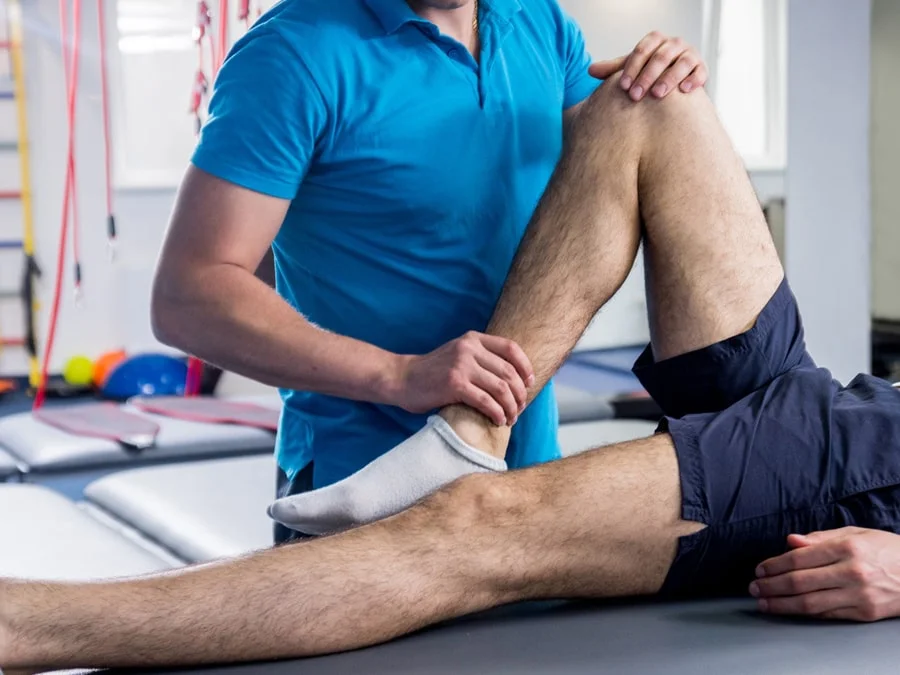
Aftercare and rehabilitation integration
Aftercare is where results are protected. The aim is to increase safe activity while symptoms are calmer.
- Short period of reduced bending/lifting as advised
- Walking and gentle movement early
- Progressive rehab focused on strength and load management
- Follow-up review if symptoms persist or worsen
Costs and insurance (general guidance)
Coverage varies. Ask what documentation is required and whether diagnostic blocks or conservative care are prerequisites.
- Coverage varies and may require documentation of imaging findings and conservative care
Patient story (composite example)
A person with persistent leg pain and a contained disc issue struggled to progress with rehabilitation.
After nucleoplasty and a graded exercise plan, walking tolerance improved and flare-ups reduced.
This is a de-identified composite example for education. Individual outcomes vary.
Next steps
Bring a medication list, relevant imaging reports, and a short symptom timeline to your consultation. Your clinician can confirm the target, explain realistic outcomes, and coordinate follow-up rehabilitation.
Medical disclaimer
This article is for general education only and is not medical advice. Procedures carry risks and should be chosen with a clinician who understands your medical history and examination findings.
FAQs
Is nucleoplasty the same as a discectomy?
No. Discectomy is a surgical removal of disc material; nucleoplasty is a minimally invasive decompression technique for selected disc patterns.
How quickly does it work?
Some improve within weeks; others need longer and rehab is important.
Will it fix back pain?
It is aimed at selected disc-related symptoms, often leg-dominant. Back pain can have multiple drivers.
What if I have weakness?
Progressive weakness needs urgent medical assessment; suitability depends on findings.
Do I need physio afterward?
Yes. Rehab helps restore capacity and reduce recurrence risk.
Are results guaranteed?
No. Response depends strongly on selection and diagnosis.
Comments
Comments are stored on this device.
No comments yet.